South Carolina Alerts Consumers as Recalled ByHeart Infant Formula Remains on Store Shelves
South Carolina is warning consumers that recalled ByHeart infant formula, tied to 28 confirmed botulism cases, is still appearing on store shelves four months after the FDA pulled it.
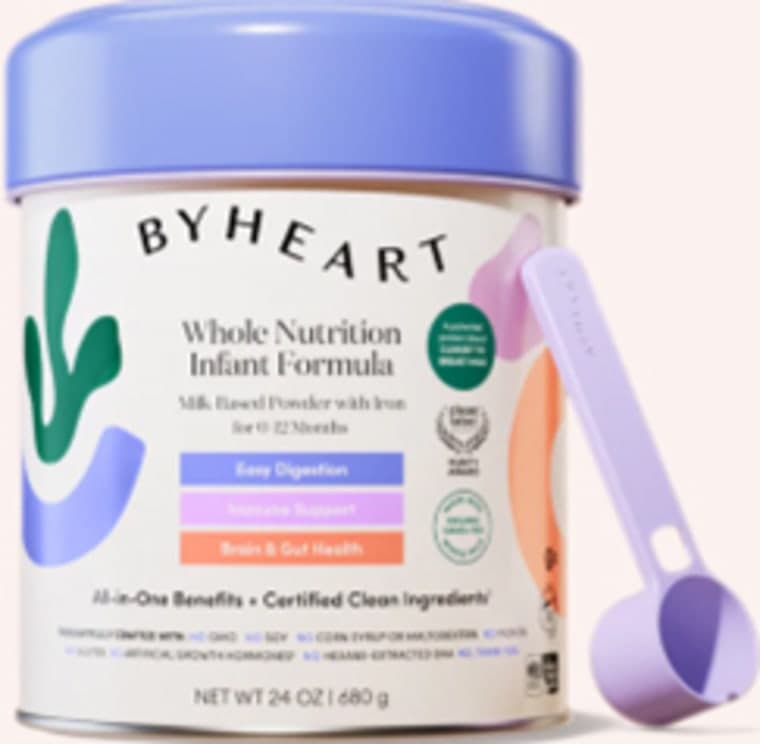
The South Carolina Department of Agriculture warned that recalled batches of ByHeart infant formula are still being sold in South Carolina stores and food banks, issuing an urgent call for retailers, distributors and households to check their supplies and destroy any product found.
In November 2025, the FDA recalled batches of ByHeart Whole Nutrition Infant Formula due to potential contamination by Clostridium botulinum, the bacterium that causes the life-threatening disease of botulism. On March 18, the SCDA re-upped the warning following a notice from the FDA that retailers, food banks, surplus outlets, distributors and customers need to double-check products as they are still "being found for sale around the country."
Twenty-eight confirmed cases and 20 probable cases of infant botulism, a serious bacterial illness, were linked to the product. Those figures, cited in the SCDA's March 2026 alert, differ from counts recorded at other points in the investigation. ByHeart was notified by the FDA on Nov. 7 of an estimated 83 cases of infant botulism that had occurred since August, according to a previous company press release. As of Nov. 19, a total of 31 infants with suspected or confirmed infant botulism and confirmed exposure to ByHeart Whole Nutrition infant formula sold online and in stores nationwide had been reported from 15 states. As of December 17, 2025, the outbreak included 51 infants with suspected or confirmed infant botulism from 19 states. South Carolina was not included as an affected state in those earlier federal counts, though the SCDA issued its alert because recalled product is being found for sale within the state.
Two specific batch codes have been identified in SCDA materials and confirmed by ByHeart's own testing. ByHeart confirmed positive test results for Clostridium botulinum in six of 36 samples of finished product tested, with those six samples taken from Batch 251261P2 and Batch 251131P2. Both carry a use-by date of December 1, 2026, meaning they remain within date and could easily be mistaken for safe product.
Federal investigators identified two companies whose dried milk powder tested positive for the bacteria. A second organic whole milk powder sample was collected by the FDA at a processor for a supplier to ByHeart, and whole genome sequencing analysis showed that the Clostridium botulinum found in that sample is a genetic match to the bacteria detected in the finished product. The two suppliers named by investigators are Organic West Milk Inc., a California company that provided the milk, and Dairy Farmers of America, which processed the milk into powder at a plant in Fallon, Nevada. Despite those positive tests, federal officials have said the overall source of the contamination has not been determined.
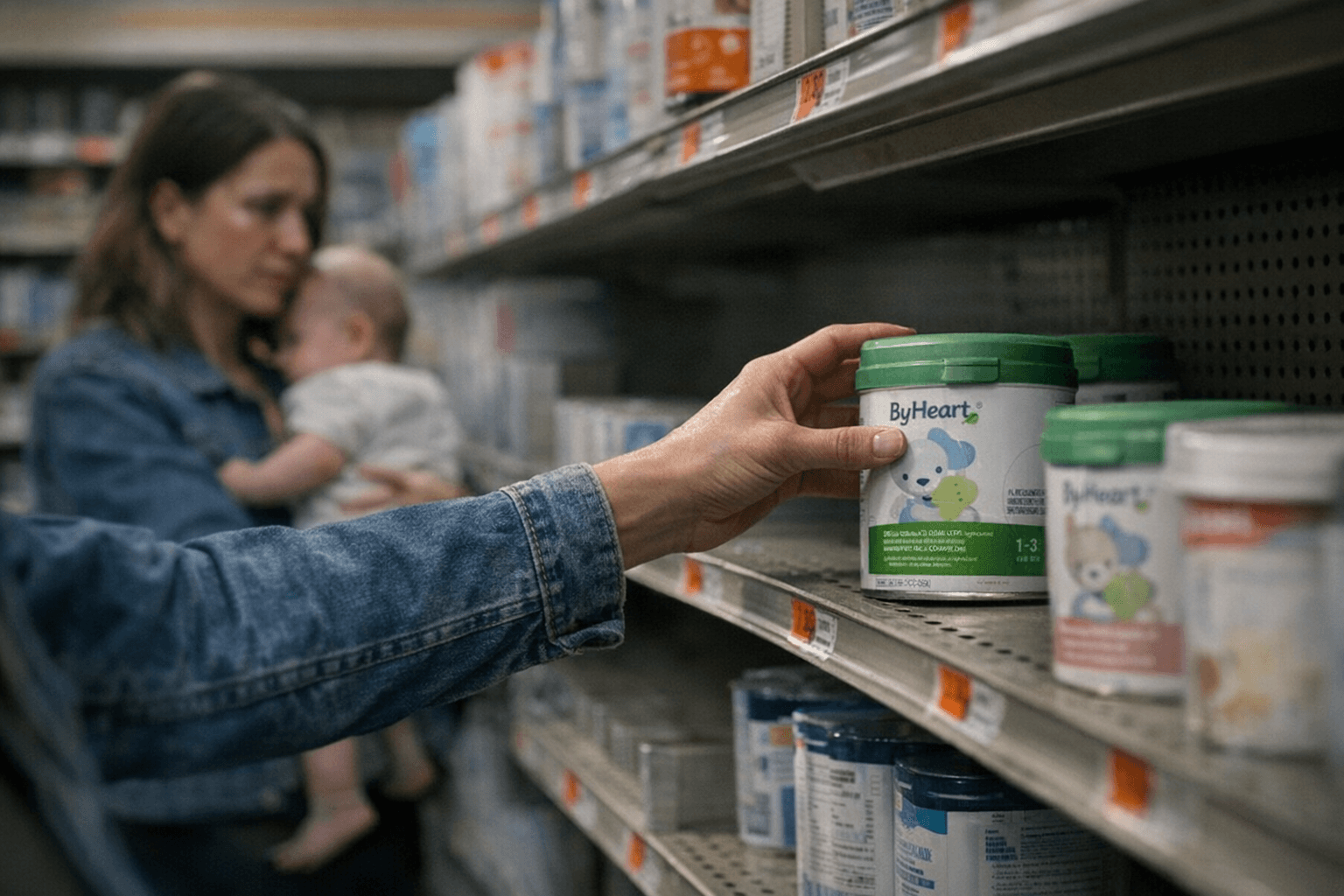
Regulators in other states have found the recalled formula on shelves at surplus and distressed food sellers, including discount, salvage and outlet stores. By February, the Centers for Disease Control and Prevention declared the outbreak over for new batches of formula, but cans and single-serve sticks are still in circulation. That's precisely the problem the SCDA is trying to solve: product that was pulled from major retailers months ago keeps resurfacing in secondary markets.
The SCDA's instructions are unambiguous. "Any retailer or distributor that finds either the recalled ByHeart formula or outdated infant products as part of their supply should immediately remove and destroy it," the agency posted on social media. Consumers who find ByHeart Whole Nutrition Infant Formula at home should throw it away immediately. If the product is spotted at a store or food bank, the SCDA asks that it be reported by email to scdarapidalert@scda.sc.gov.
ByHeart voluntarily recalled the batches, and three days later on Nov. 11 the company followed up with an announcement that it would be testing every batch of formula with an independent third-party laboratory. This is the first known botulism outbreak tied to infant formula anywhere in the world since infant botulism was first described as a distinct clinical entity almost 50 years ago. With recalled cans still making their way onto shelves through salvage and surplus channels, the SCDA's March warning underscores that voluntary recalls don't automatically clear the supply chain, and that secondary markets require their own scrutiny long after major retailers have pulled a product.
Media inquiries can be directed to Eva Moore, SCDA Communications Director, at 803-734-2196 or emoore@scda.sc.gov.
Sources:
Know something we missed? Have a correction or additional information?
Submit a Tip