South Korea launches independent parliamentary probe into Jeju Air crash
South Korea's National Assembly voted overwhelmingly to create an independent 18 member committee to investigate the December 2024 Jeju Air Boeing 737 800 crash that killed 179 people. The inquiry aims to reexamine technical causes, airport infrastructure and whether government investigators mishandled or suppressed evidence, a step that could reshape regulatory oversight and financial exposure for carriers and suppliers.
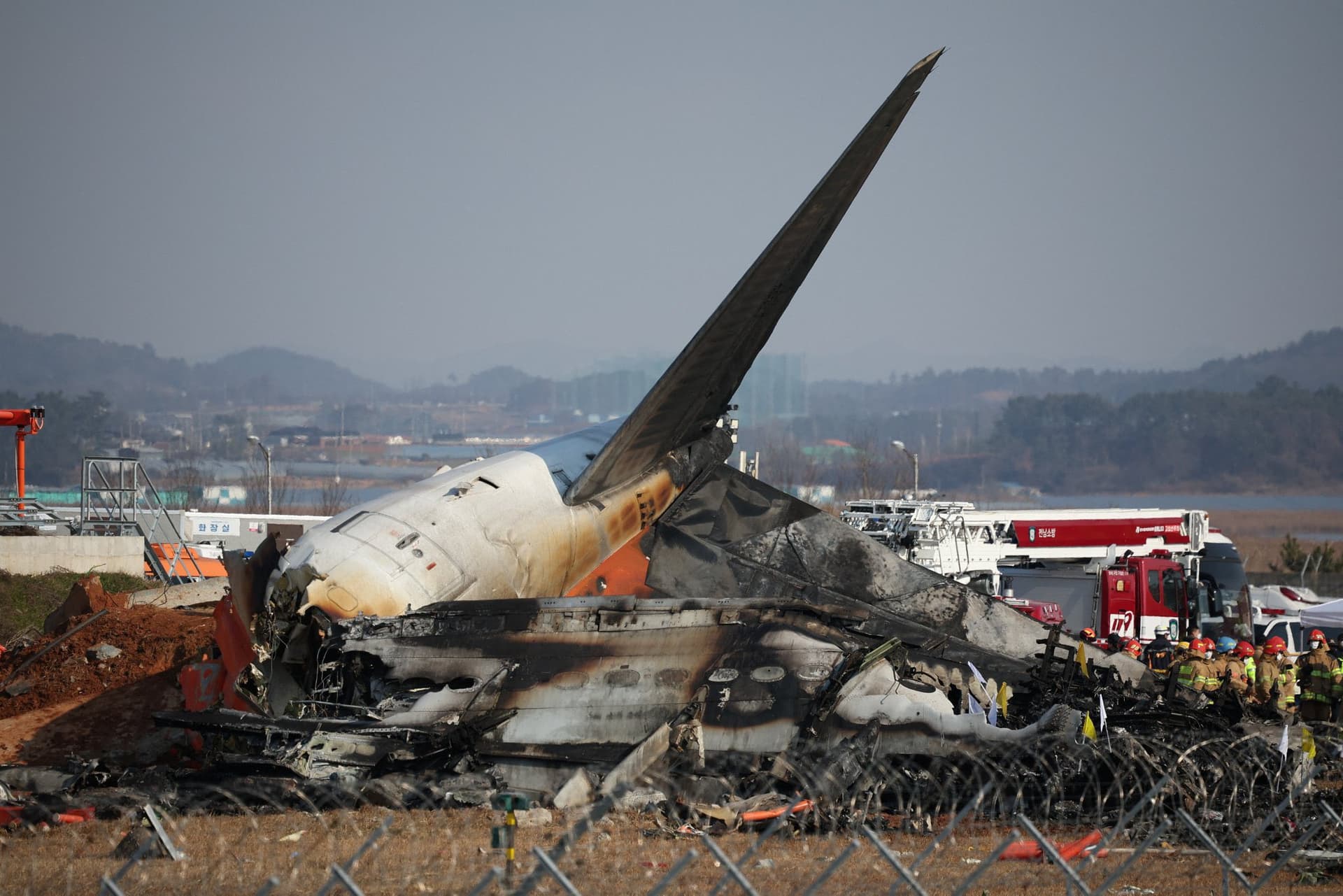
South Korea's National Assembly on December 22, 2025 approved legislation creating an independent parliamentary investigation into the Jeju Air accident that killed 179 people in December 2024. The bill passed by a lopsided vote of 245 to 1 and convened an 18 member special committee to begin work immediately under a 40 day initial mandate with the option to extend.
The committee will include nine lawmakers from the Democratic Party of Korea, seven from the People Power Party and two members from non negotiating groups. Lee Yang Soo of the People Power Party was identified as chair at the first plenary session. The probe is empowered to examine technical causes cited in prior official work, infrastructure at Muan International Airport and the conduct of government agencies during the earlier investigation.
Investigators will revisit several lines of inquiry. Early official findings and interim reports pointed to bird strikes as a likely initiating event, and an interim technical review raised the possibility that a pilot mistakenly shut down the wrong engine after a bird strike. The parliamentary mandate expands the scope to include physical airport elements, specifically a concrete localizer structure and an embankment at the runway end that the aircraft struck before coming to rest. Lawmakers are also authorized to investigate allegations by victims families that evidence or findings were downplayed or improperly handled by government bodies.
The decision to create a parliamentary committee follows sustained pressure from victims families and broader public concern about the thoroughness and transparency of the official probe. A legislative inquiry has the potential to supplement or challenge the conclusions of aviation safety investigators, produce new technical findings and recommend institutional reforms. Parliamentary panels can subpoena witnesses and documents, a capability that could bring new material into the public record.

The economic and market implications of the inquiry are significant even before any determinations are made. The crash remains South Korea's deadliest recent civil aviation disaster, and an independent probe that finds regulatory failures or evidence of institutional concealment would increase political and legal risk for Jeju Air, ground handlers and potentially aircraft manufacturers and insurers. Airlines typically face elevated insurance premiums, compensation liabilities and reputational damage after high casualty accidents. For a regional carrier, those pressures can translate into higher funding costs, tighter liquidity and delays in planned expansion or fleet renewal.
At the industry level, the inquiry may prompt accelerated spending on airport infrastructure upgrades, stricter oversight of runway obstructions and renewed focus on bird strike mitigation across airports that serve short haul and domestic routes. For policymakers the key questions will be how to strengthen accident investigation independence, improve transparency and allocate the costs of remedial action between carriers, airports and the state.
The parliamentary committee is scheduled to hold hearings and collect technical and institutional evidence during its initial 40 day window. Its findings could influence pending regulatory changes and inform legal claims by families, while shaping longer term trends in aviation governance and risk allocation in South Korea.
This article was produced by Prism’s automated news system from verified source data, official records, and press releases, then run through automated quality and moderation checks before publishing. The system is built and supervised by the people who set the standards it runs under. Read our full AI policy.
Did this article answer your question?