Southern Baptists advance ban on churches with women pastors
Messengers voted 6,028 to 2,026 to tighten a ban on women pastors, sending a constitutional amendment to next year’s SBC meeting for a final vote.
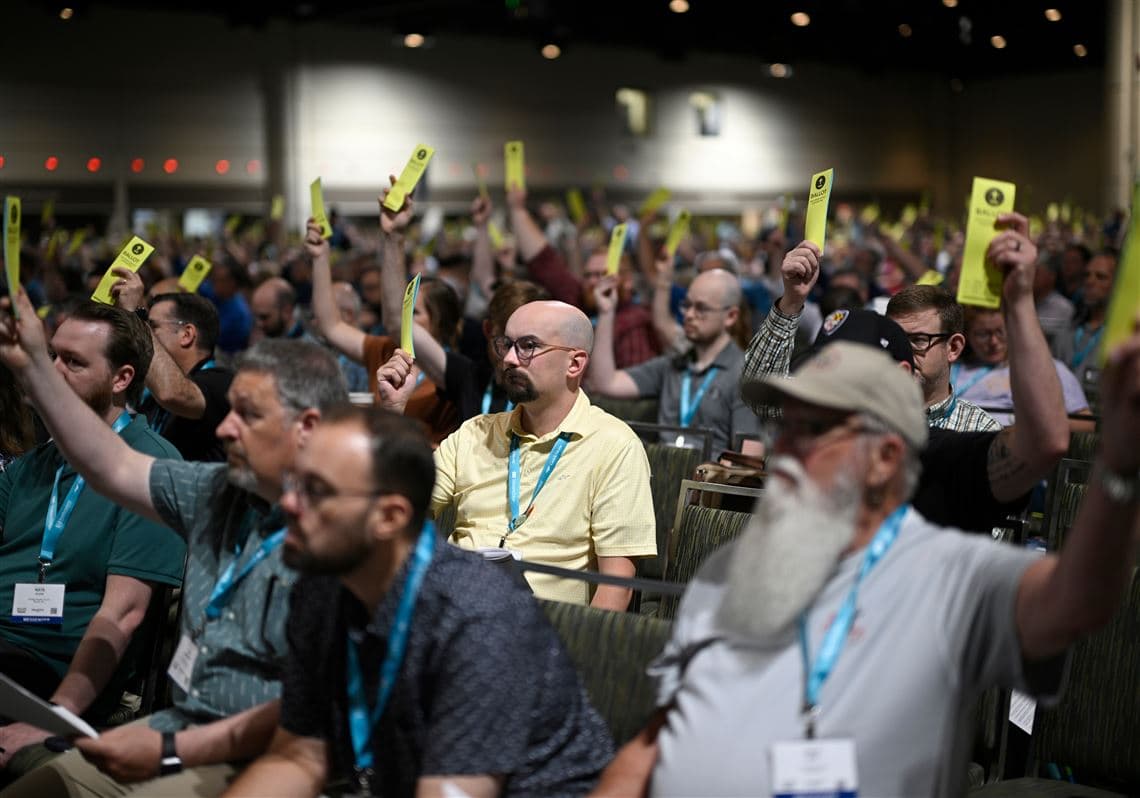
Southern Baptists moved to turn a long-running fight over women in the pulpit into a constitutional test for churches in good standing, approving an amendment by 6,028 to 2,026 in Orlando. The measure still needs a second approval at next year’s annual meeting, but it immediately sharpened the stakes for congregations with women in pastoral leadership.
The vote did more than restate an old theological position. It pushed the denomination closer to making its restriction on women serving as pastors part of its governing constitution, not just a principle found in the Baptist Faith and Message 2000. That statement already says that while men and women are both gifted for service in the church, the office of pastor, elder or overseer is limited to men as qualified by Scripture.
What happens next could be consequential for churches across the country. The SBC Credentials Committee reviews whether a church remains in friendly cooperation with the convention, and the denomination has already shown it is willing to use that process. In 2023, the SBC removed six churches from friendly cooperation over women in pastoral ministry, including Saddleback Church, making clear that the dispute has real institutional consequences beyond floor debate.
The amendment’s backers have spent years trying to harden that line. A similar proposal failed in 2024 after drawing about 60.74% support, short of the two-thirds threshold needed for constitutional change, and another attempt fell short again in 2025 with roughly the same share of the vote. The repeated failures helped turn the issue into a proxy fight over authority inside the nation’s largest Protestant denomination, where church cooperation depends on adherence to SBC standards of faith and practice.
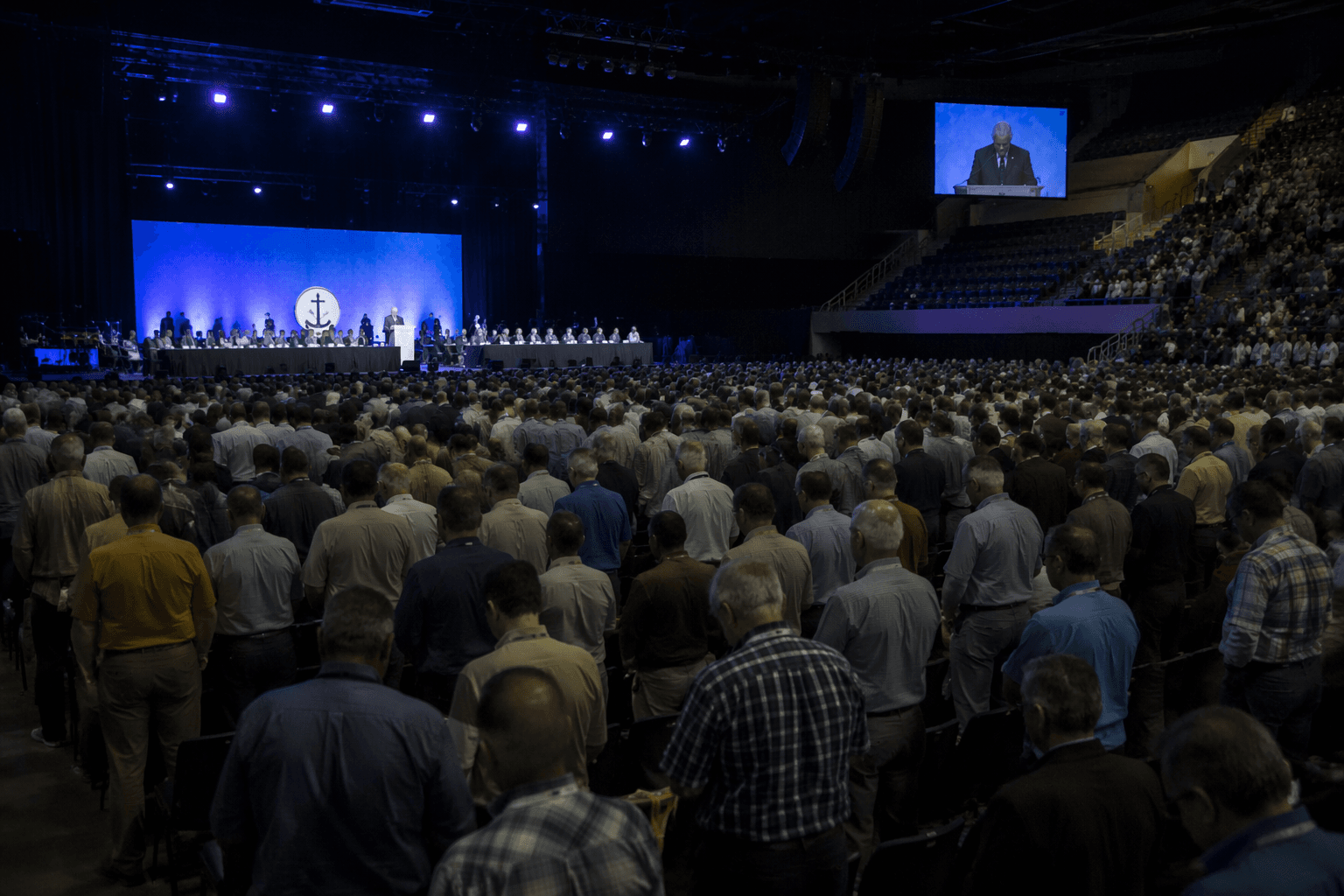
This year’s version was narrowed by Albert Mohler Jr., president of Southern Baptist Theological Seminary, to focus specifically on women preaching in a pastoral capacity. Coverage has referred to it as the Truth and Unity Amendment, a name that captures both sides of the fight: supporters say the measure protects doctrinal clarity, while critics see a narrowing of the denomination’s space for women in ministry and for churches that do not fit the strictest reading of the rule.
Baptist Women in Ministry sharply criticized the vote and said convention decisions do not determine who is called to pastor or preach. The broader significance reaches beyond one amendment vote in Orlando. If messengers approve it again next year, the SBC will have converted a contested theological boundary into an enforceable constitutional test, giving leaders a clearer basis to scrutinize, discipline or expel churches that ordain or appoint women as pastors. That outcome would shape not only denominational governance, but also the SBC’s effort to hold onto younger members and women who increasingly question whether there is room for them in its future.
This article was produced by Prism’s automated news system from verified source data, official records, and press releases, then run through automated quality and moderation checks before publishing. The system is built and supervised by the people who set the standards it runs under. Read our full AI policy.
Know something we missed? Have a correction or additional information?
Submit a Tip