Southern Hemisphere scorched by record heat and raging wildfires
Record heat and wildfires strike Argentina, Australia and South Africa; scientists warn human-driven warming may push temperatures even higher.
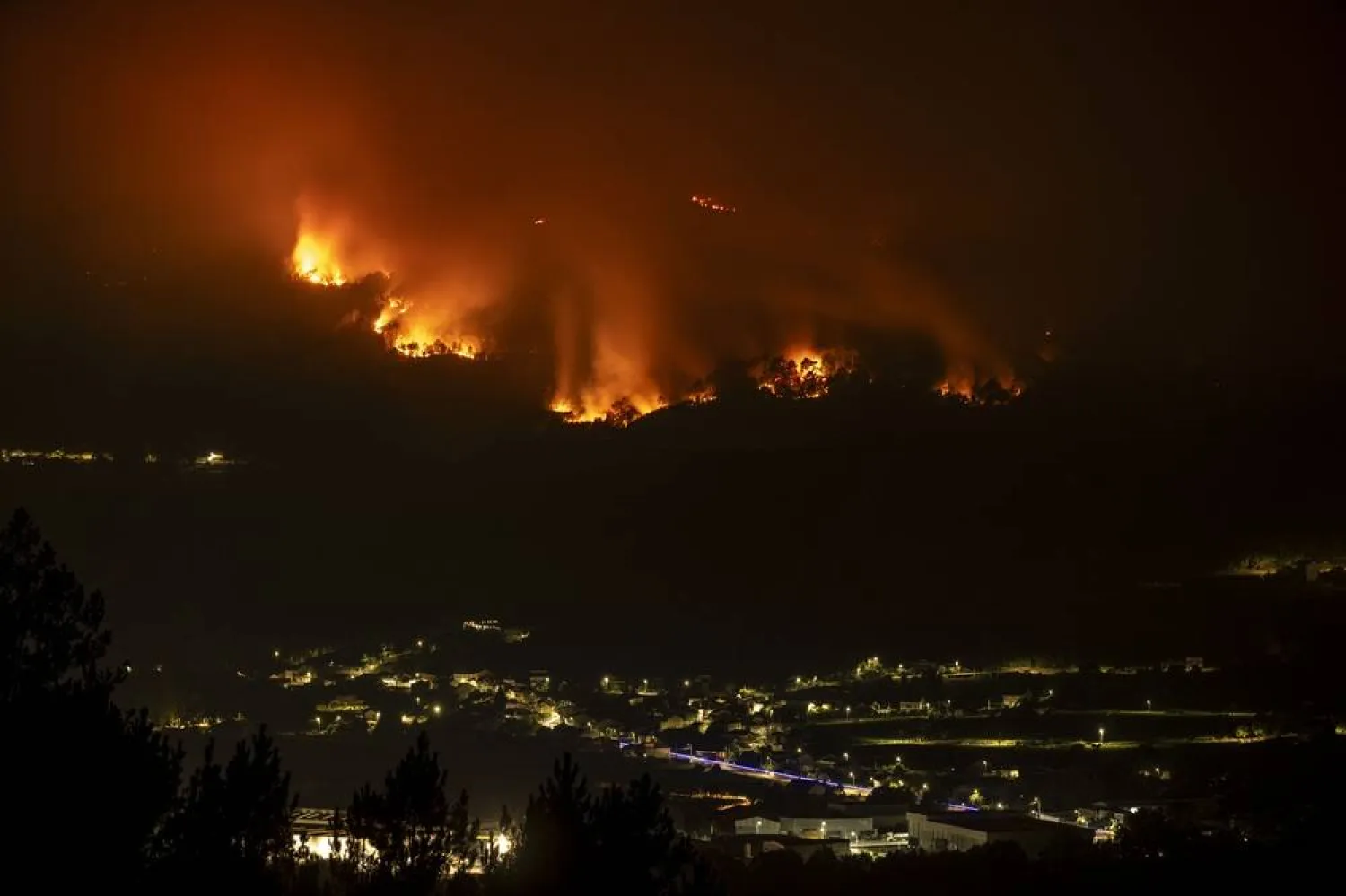
Record-setting heat and a wave of catastrophic wildfires have swept across the Southern Hemisphere at the start of 2026, leaving dozens dead, communities uprooted and scientists warning that far worse extremes could be on the way. From Patagonia to the Australian interior and across South Africa, emergency services have battled blazes fed by blistering temperatures and dry, windy conditions.
In January a heat dome enveloped much of Australia, sending temperatures to near 50 degrees C (122 degrees F) in some places and stressing fire services already stretched thin. At the same time, fires ripped through remote parts of Argentina’s Patagonia and multiple blazes along Chile’s coast contributed to a death toll of 21 in coastal towns. In Chile’s Biobio region, a helicopter battled a forest fire on Jan. 21, prompting emergency evacuations in the Florida commune, while South Africa reported what authorities called its worst wildfires in years.
Scientists caution the intensity and geographic sweep of this season’s extremes reflect the growing footprint of human-caused warming. "The hot, dry and windy conditions that drive the most extreme wildfires are becoming more intense and more likely," said Theodore Keeping of Imperial College London and the international research collaboration World Weather Attribution. "And it's happening all around the world." Keeping, who specializes in wildfire and extreme heat attribution studies, added that recent patterns go beyond normal climate variability. "This means the effect of human-caused climate change is overwhelming natural variability," he said.
Climate indicators underline the broader shift. Southern Hemisphere temperatures have risen by about 0.15 to 0.17 degrees C (0.27 to 0.30 degrees F) per decade since the 1970s, while the Northern Hemisphere warmed by roughly 0.25 to 0.30 degrees C (0.45 to 0.54 degrees F) per decade over the same period. Scientists attribute the hemispheric difference largely to the Southern Hemisphere’s vast oceans, which absorb heat more slowly, and to Antarctic meltwater. Still, southern land masses are now warming at similar rates to northern land masses, and contrasts between warming land and cold meltwater can intensify weather patterns, leading to prolonged heat waves, droughts or flooding.

Those dynamics are unfolding even as the planet remains under the cooling influence of a weak La Niña, a Pacific climate cycle marked by cooler waters in the central and eastern Pacific that began in December 2024. Despite La Niña’s moderating effect, record temperatures have been recorded in several locales. Researchers say the risk profile will shift again if the climate system moves toward neutral conditions or an El Niño phase. "As we transition into a neutral or even El Nino phase, we'll expect the incidence of extreme heat events around the world to be further amplified," Keeping warned.
The current season follows three of the hottest years on record, and scientists say the combination of persistent background warming and shifts in natural climate cycles raises the prospect of another global annual high. Emergency managers across affected countries face immediate challenges of evacuations, protecting infrastructure and tending to injured communities, while climate scientists and meteorological agencies track whether the Southern Hemisphere’s run of extremes will deepen as atmospheric patterns evolve.
Authorities, researchers and humanitarian groups will need to coordinate rapidly to quantify losses, map burned areas and forecast near-term risks. For now, communities from South America to southern Africa and Australia are confronting an acute reminder of how a warming planet can amplify local hazards.
This article was produced by Prism’s automated news system from verified source data, official records, and press releases, then run through automated quality and moderation checks before publishing. The system is built and supervised by the people who set the standards it runs under. Read our full AI policy.
Did this article answer your question?