S&P 500 Rises as Iran Ceasefire Hopes Ease Market Tensions
S&P 500 gained 0.4% Monday as a reported 45-day Iran ceasefire proposal eased tensions, even as Trump's Tuesday Strait of Hormuz deadline loomed.
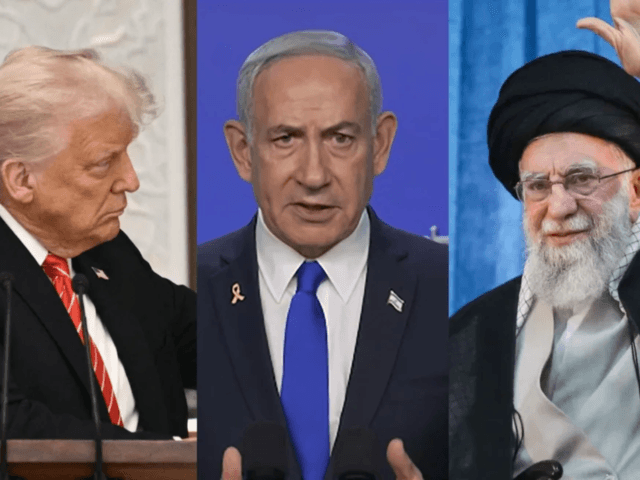
Wall Street ended Monday's session with modest gains as a reported push for a 45-day ceasefire between the United States and Iran lifted investor sentiment, though Trump's looming Tuesday deadline to bomb Iranian infrastructure kept the rally firmly in check.
The S&P 500 rose 0.4% on the day, building on its best weekly performance since November, when the index climbed 3.4% as investors bought the dip on diplomatic hopes. The Nasdaq Composite gained 0.5%, while the Dow Jones Industrial Average added 115 points, or 0.3%. At the opening bell, the S&P 500 stood at 6,587.66.
Axios reported that the U.S., Iran, and a group of regional mediators from Pakistan, Egypt, and Turkey were actively discussing terms for a potential 45-day ceasefire that could lead to a permanent end to the conflict, now in its fifth week. A White House official confirmed to CNBC that the proposal existed but said President Donald Trump had not signed off, describing it as "one idea among many." The chances of reaching any partial deal before Tuesday's deadline were assessed as low.
The geopolitical backdrop remained volatile. Trump issued an ultimatum Sunday, warning Iran it would be "living in Hell" if the Strait of Hormuz was not reopened by Tuesday at 8 p.m. ET. "Tuesday will be Power Plant Day, and Bridge Day, all wrapped up in one, in Iran," he wrote on his social media network. Israel and the U.S. carried out a wave of strikes that killed 25 people inside Iran on Monday, including an attack on an Iranian petrochemical plant at the South Pars natural gas field.
Oil markets reflected the contradictory signals. U.S. benchmark crude dropped $1.40 to $110.14 a barrel, while Brent crude fell 45 cents to $108.58, even as some intraday trading saw Brent climb as high as $112 before retreating. The Strait of Hormuz, through which roughly 20% of the world's oil typically flows, has been effectively closed for five weeks, a disruption that has kept energy prices elevated and credit markets unsettled.
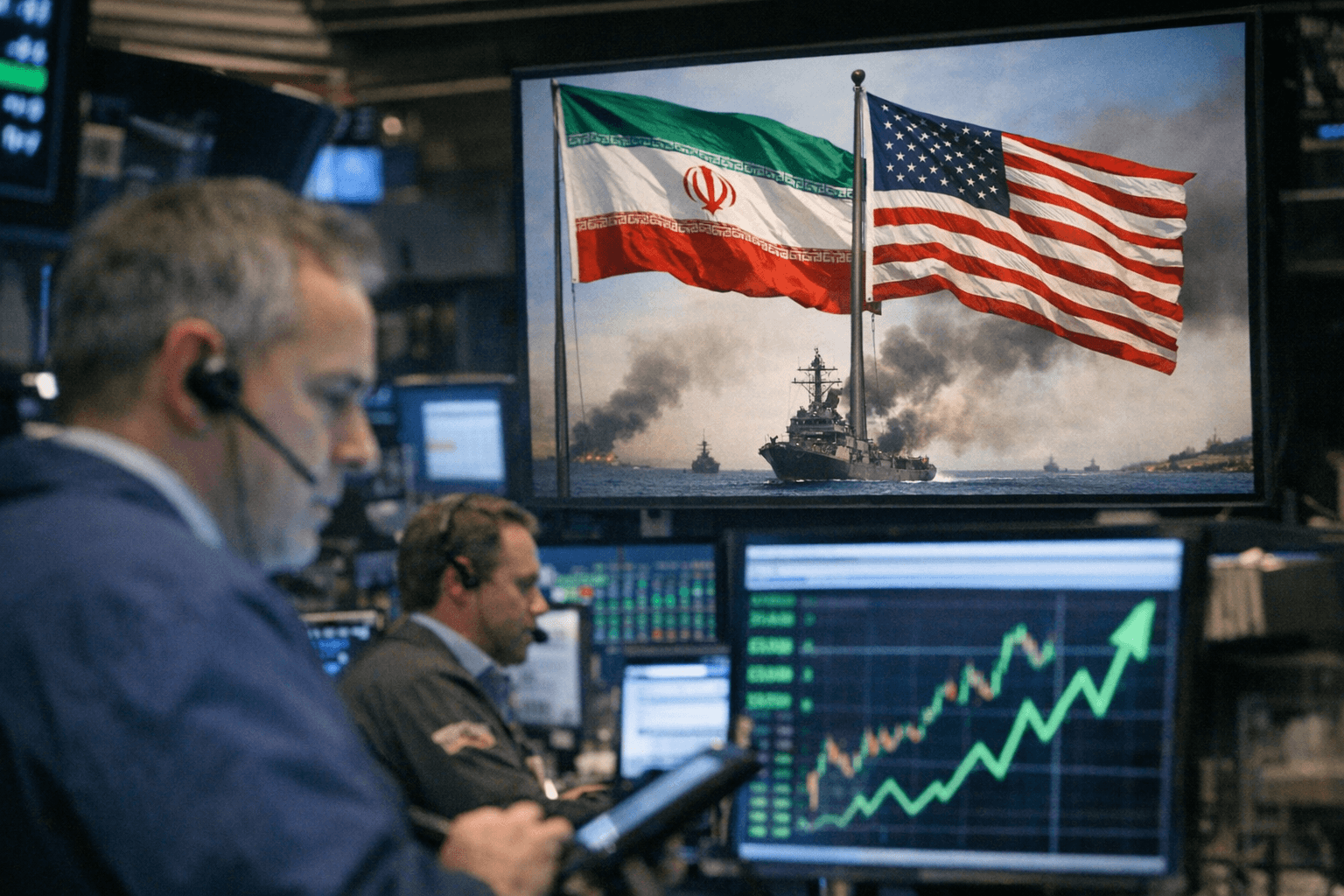
The Cboe Volatility Index, a gauge of market anxiety, rose to around 24, up from below 20 before the conflict began. Tavis McCourt, institutional equity strategist at Raymond James, captured the mood in a Sunday note, writing that the central question for every institutional investor was "why we haven't sold off harder" after five weeks of Hormuz being effectively closed. He attributed the resilience to strong economic momentum in early 2026, including a stronger-than-expected March jobs report released Friday, and an oil curve that remains "quite backwardated," which he said appeared to be soothing credit and equity markets.
Mohit Mirpuri, an equity fund manager at SGMC Capital, offered a less sanguine reading of the president's approach. "Trump's escalatory tone over the weekend is very much in line with his playbook: headline-driven, unpredictable, and designed to apply maximum pressure quickly," Mirpuri said. "Markets will need to get used to this style of policymaking."
Anwar Gargash, the diplomatic adviser to the president of the United Arab Emirates, underscored how high the stakes are for any negotiated settlement. "We don't want a ceasefire that fails to address some of the main issues that will create a much more dangerous environment in the region," Gargash said, pointing specifically to Iran's nuclear program and its missile and drone capabilities.
Analysts expect S&P 500 earnings to grow roughly 13% in the first quarter of 2026, according to FactSet data, which would mark a sixth consecutive quarter of double-digit gains. That underlying corporate strength has insulated markets from the kind of steep sell-off many expected. Whether it can hold through Tuesday's deadline is the question investors will spend the next 24 hours trying to answer.
This article was produced by Prism’s automated news system from verified source data, official records, and press releases, then run through automated quality and moderation checks before publishing. The system is built and supervised by the people who set the standards it runs under. Read our full AI policy.
Did this article answer your question?

