Space Force expands launch contracts as Trump demands more missions
Blue Origin won a share of $13.68 billion in Space Force launch contracts, entering the Pentagon’s top national-security launch market. The buy covers about 54 missions.
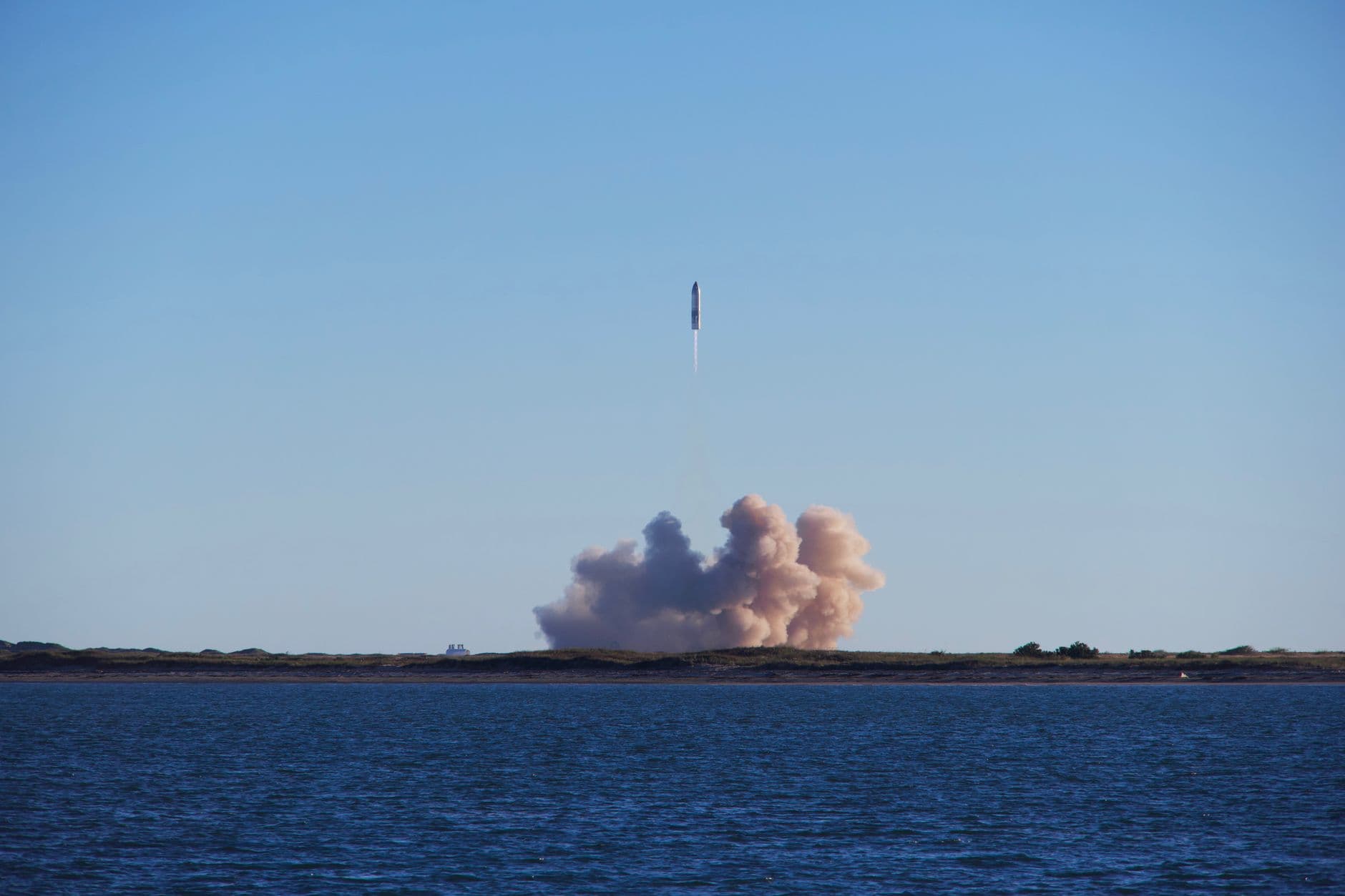
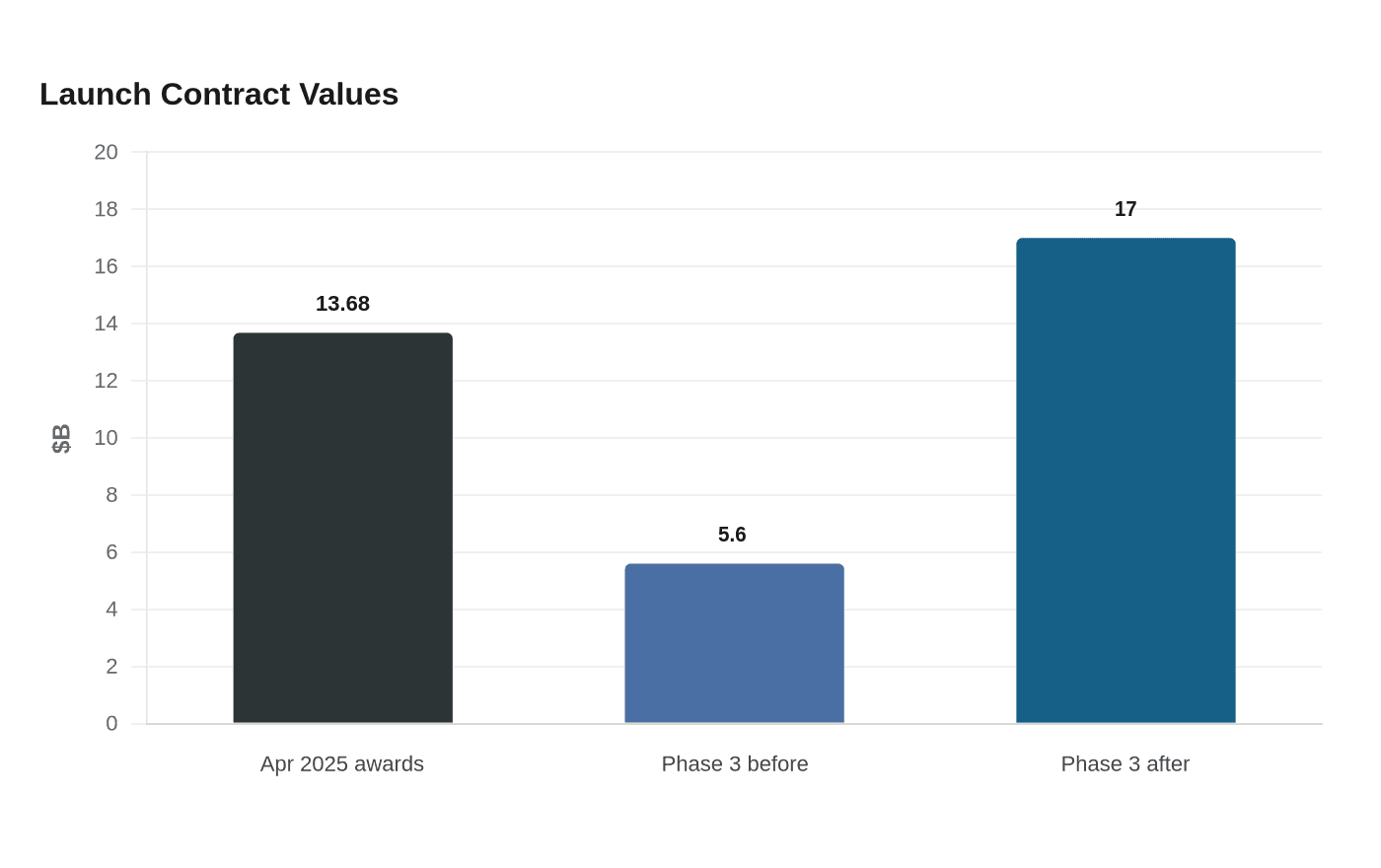
Space Systems Command awarded Blue Origin, SpaceX and United Launch Alliance contracts worth up to $13.68 billion combined on April 4, 2025, pushing the Space Force deeper into a launch market that will decide who carries the Pentagon’s most sensitive satellites for years to come. Reuters put the same awards at about $13.5 billion.
The contracts fell under the National Security Space Launch program, which buys commercial launch services for military and intelligence community satellites used for communications, positioning, navigation and timing, missile warning and tracking, and space situational awareness. Blue Origin’s win was the most notable shift in the deal, because it brought Jeff Bezos’s company into the military’s most critical space-launch market alongside the long-established incumbents SpaceX and United Launch Alliance.
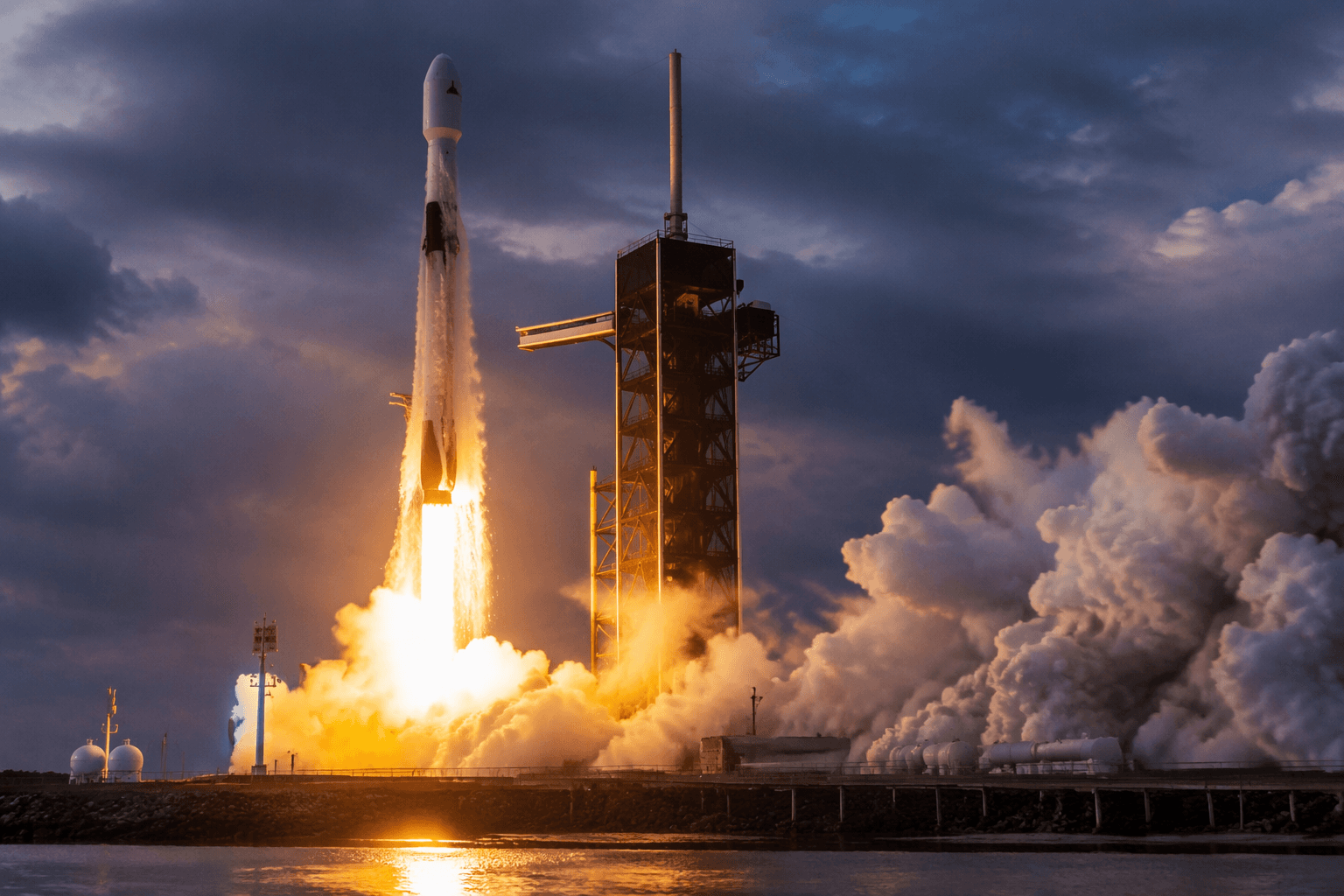
The April awards were only part of a broader expansion. SpaceNews reported that the maximum value of the Phase 3 Lane 1 contract rose from $5.6 billion to $17 billion amid rising demand, signaling that the Pentagon expects more competition and more launches across the national-security portfolio. Congress’s January 2026 primer from the Congressional Research Service said the Phase 3 Lane 2 awards cover about 54 missions from 2027 to 2032, a pipeline large enough to shape the sector’s competitive balance well into the next decade.
The money behind the procurement shows the scale of the commitment. The Department of Defense requested $1.47 billion for NSSL in fiscal 2026, while the Space Force’s own budget requests had already climbed steeply, reaching $29.6 billion for fiscal 2025 and about $30.3 billion for fiscal 2026 in later reporting. Across its first five budget submissions, the Space Force budget nearly doubled. A Center for Space Policy and Strategy brief said the fiscal 2026 Space Force request stood at $26.3 billion before separate reconciliation funding was added for space-focused projects tied to the Trump administration’s “Golden Dome” priorities.
The pattern fits an older ambition in Trump’s orbit. NBC News reported in 2018 that creating a separate Space Force would cost an estimated $12.9 billion in its first five years. Seven years later, the service is not just standing up a branch of government, but buying a larger slice of the launch market itself, with taxpayer dollars underwriting a contest that could either broaden competition or harden the dominance of a few firms that already know how to win Pentagon work.
This article was produced by Prism’s automated news system from verified source data, official records, and press releases, then run through automated quality and moderation checks before publishing. The system is built and supervised by the people who set the standards it runs under. Read our full AI policy.
Did this article answer your question?