SpaceX files IPO prospectus, reveals $4.9 billion annual loss
SpaceX’s long-secret filing exposed a $4.9 billion annual loss, even as it seeks a $1.75 trillion valuation and leans on Starlink and AI.
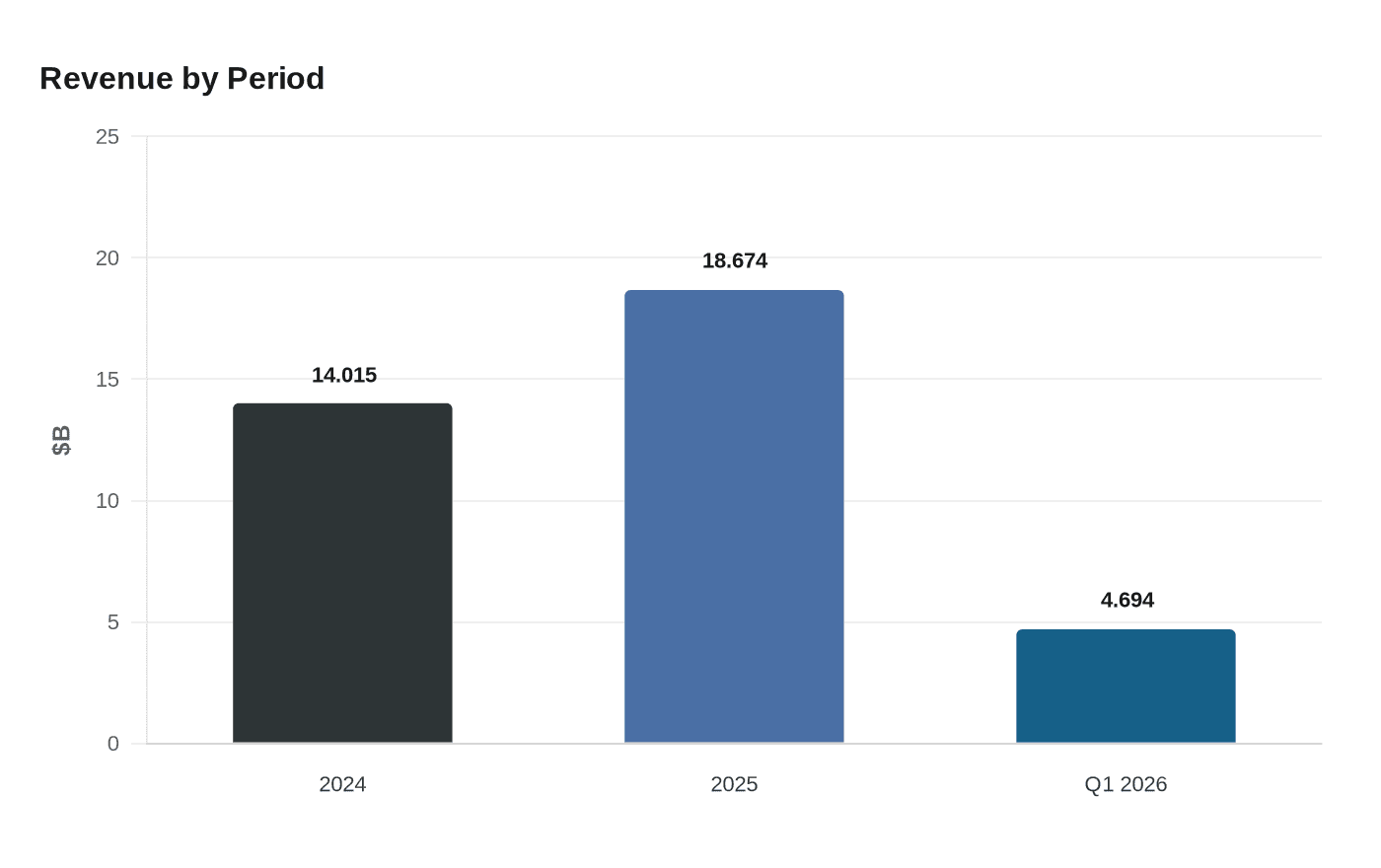
SpaceX’s long-secret financials landed with a jolt: the company booked $18.674 billion in revenue in 2025, but still lost $4.9 billion as it pushed toward what could become the largest U.S. IPO ever. The filing with the Securities and Exchange Commission on May 20, 2026, cracked open 23 years of secrecy and gave investors their clearest look yet at the economics behind Elon Musk’s rocket empire.
The price being floated is breathtaking. SpaceX is targeting a $1.75 trillion valuation and a raise of up to $75 billion, with a planned price of $135 a share for 555.6 million shares. That scale puts the company in rare territory, but the prospectus also shows why skeptics are pressing for a reality check: revenue is growing quickly, yet losses remain deep and capital needs are still enormous.
The numbers underline that tension. In the first quarter of 2026, SpaceX reported $4.694 billion in revenue and a $4.30 billion net loss. For 2025, the company posted an operating loss of $2.589 billion even as revenue climbed from $14.015 billion in 2024. The filing also showed $10.1 billion in total capital expenditures in the first quarter of 2026, including $7.72 billion tied to artificial intelligence, suggesting that SpaceX is still spending heavily to scale businesses beyond launch.
Much of the company’s growth story now rests on Starlink. The satellite internet service ended March 2026 with 10.3 million subscribers and generated $11.387 billion in 2025 revenue. That makes Starlink the financial engine of the company for now, while the rocket-launch business remained loss-making in the prospectus. For public-market investors, that means the valuation case depends on whether Starlink can keep expanding fast enough to offset the capital intensity of rockets, satellites and AI bets.
Governance is another flash point. Musk controls about 85% of the voting power, giving him overwhelming influence over strategy and disclosure. He also posted details on X about a SpaceX deal with Anthropic that were not included in the prospectus, adding to scrutiny over how much outside investors will really know once the stock starts trading.
The market will also watch for an index effect. Analysts say a Nasdaq listing could make SpaceX eligible for fast-entry inclusion in the Nasdaq-100 after 15 trading days, a move that could trigger automatic buying from index funds. That possibility may amplify demand in the short term, but the filing makes clear that the bigger question is whether SpaceX’s profits can eventually catch up with its valuation.
This article was produced by Prism’s automated news system from verified source data, official records, and press releases, then run through automated quality and moderation checks before publishing. The system is built and supervised by the people who set the standards it runs under. Read our full AI policy.
Know something we missed? Have a correction or additional information?
Submit a Tip