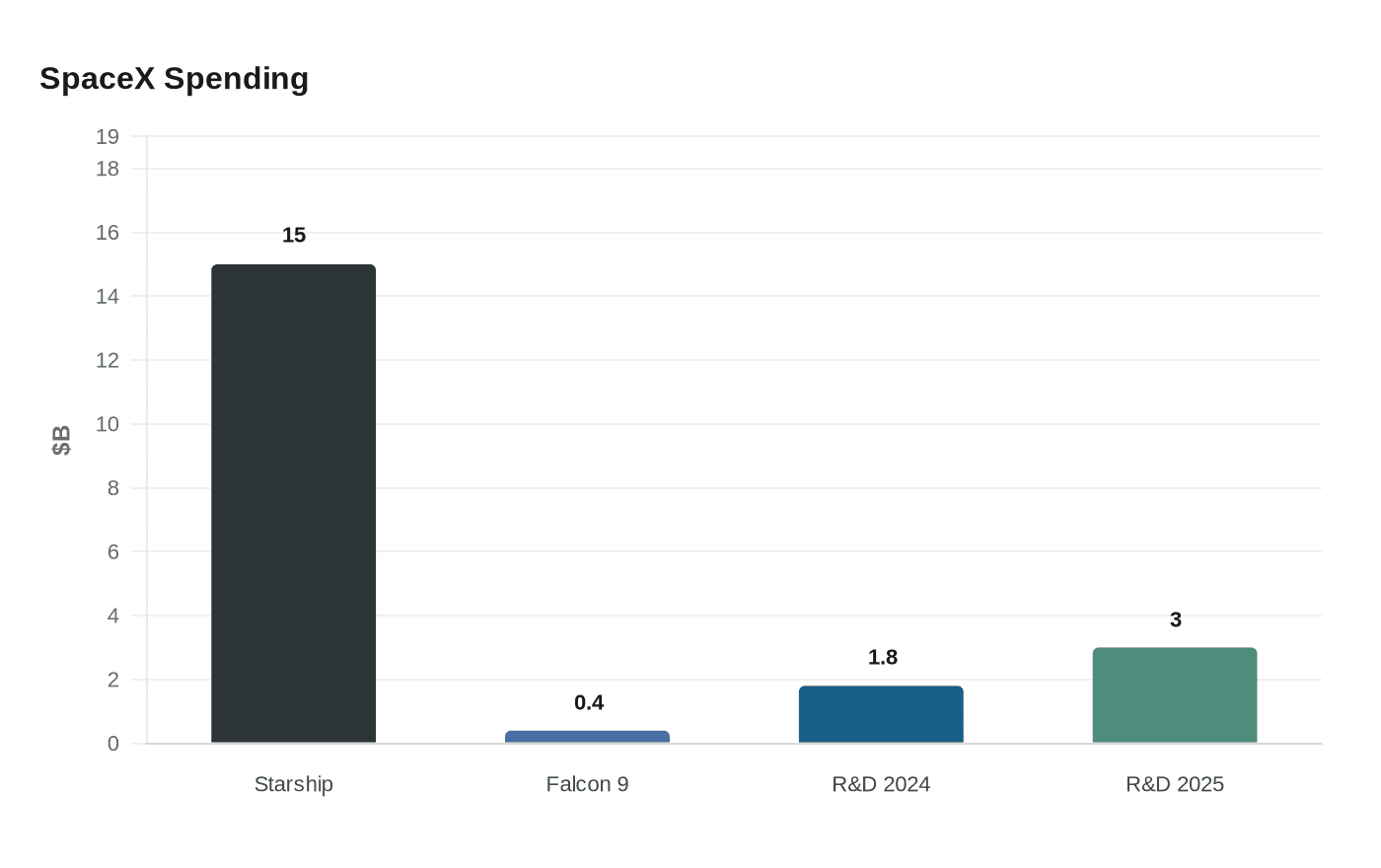
SpaceX has spent more than $15 billion on Starship development
SpaceX has poured more than $15 billion into Starship, a costly wager that now underpins Starlink, NASA’s lunar plans and the company’s future valuation.
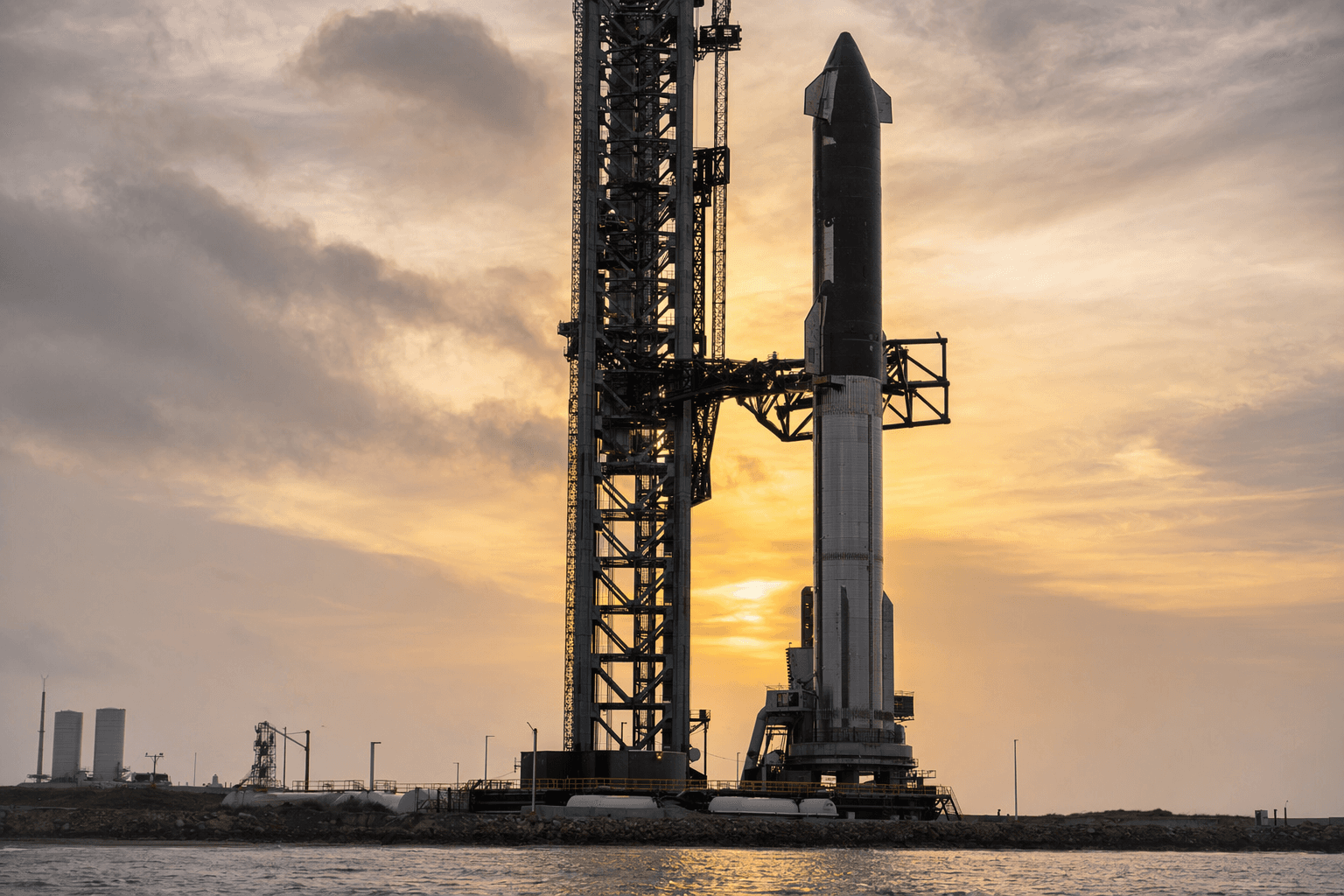
SpaceX has turned Starship into the centerpiece of its future, and the price tag has become impossible to ignore. The company has spent more than $15 billion developing the rocket, a sum that dwarfs the roughly $400 million it spent developing Falcon 9 and shows how much now depends on a vehicle that has not yet reached operational maturity.
The numbers inside SpaceX’s confidential IPO filing make the scale clearer. SpaceX spent $3 billion on research and development in its space segment in 2025, and all of it went to Starship. That was up from $1.8 billion in 2024. SpaceX said in the filing, “We have continued to invest significantly” in the rocket because it wants to achieve full and rapid reusability at scale.
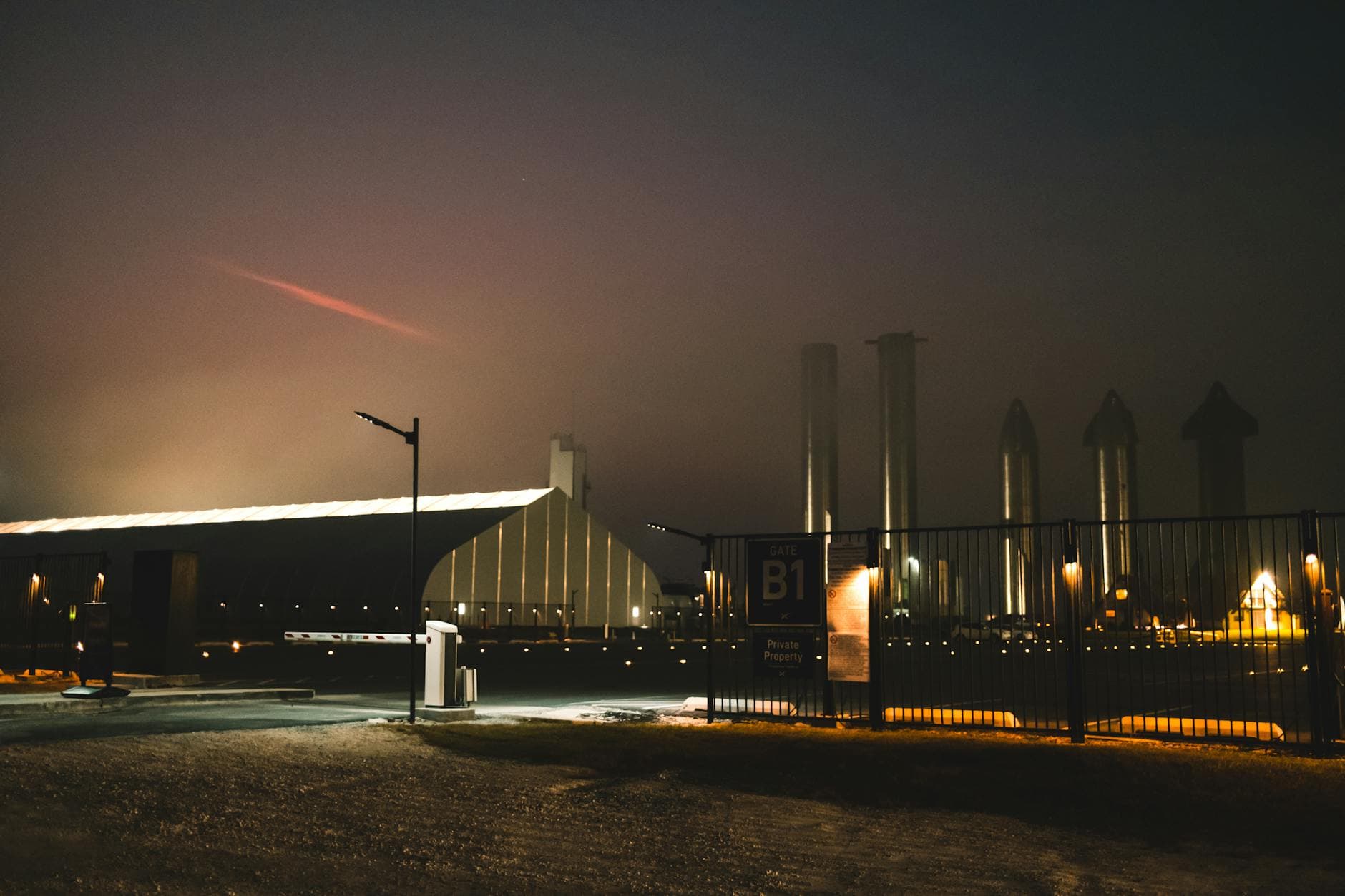
That ambition is financial as much as technical. Starship is designed to carry up to 60 of SpaceX’s upgraded V3 Starlink satellites in a single launch, far more than Falcon can typically lift. SpaceX expects to begin launching V3 Starlink satellites in the second half of 2026, making Starship’s cadence and reliability central to the economics of one of the company’s most lucrative businesses. Airline-like rocketry would require more than occasional success. It would require routine launches, fast refurbishment, predictable turnarounds and a regulatory environment willing to tolerate a high tempo of testing.
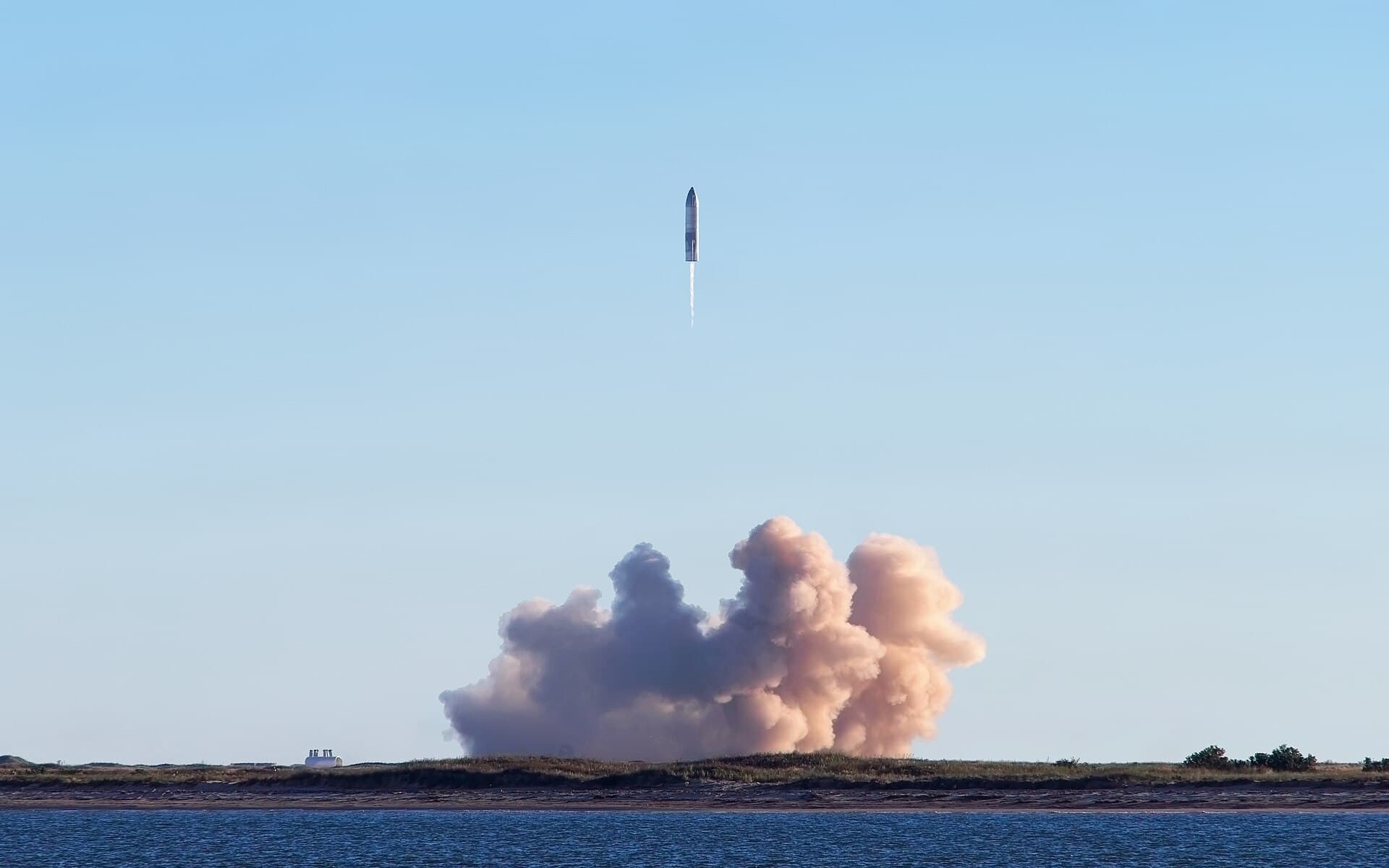
The risk remains visible in the test record. Starship’s 11th flight test launched from Starbase, Texas, on October 13, 2025, and the program had reached 11 test flights by 2025. The vehicle has also suffered explosive failures, underscoring how difficult it is to turn the concept of rapid reusability into a dependable launch system.
The stakes extend beyond SpaceX’s balance sheet. NASA selected Starship as the lunar lander for Artemis III, and the agency is targeting 2027 for that mission. Any delay or reliability problem in Starship’s development can ripple directly into U.S. lunar-return planning. At the same time, SpaceX is nearing public markets at a possible $1.75 trillion valuation, putting even more pressure on a program that now carries the company’s commercial expansion, its long-term exploration plans and the credibility of its promises about the next era of launch.
This article was produced by Prism’s automated news system from verified source data, official records, and press releases, then run through automated quality and moderation checks before publishing. The system is built and supervised by the people who set the standards it runs under. Read our full AI policy.
Did this article answer your question?


