SpaceX pivots to AI, funneling Starlink profits into costly expansion
Starlink’s profits are now funding a $6.4 billion AI loss center at SpaceX, while Musk’s IPO plans point to a company betting its future on compute.
SpaceX is using the cash Starlink earns to bankroll a sprawling AI push that is already reshaping the company’s risk profile. In 2025, the AI division, including xAI, accounted for 61% of SpaceX’s $20.74 billion in capital spending and posted a $6.4 billion operating loss, even as Starlink’s operating income doubled to $4.42 billion and helped offset losses elsewhere.
That split captures the central question for investors: is AI becoming a durable strategic moat for SpaceX, or an expensive expansion that could dilute the business that actually throws off money? The company’s growth story, laid out in confidential IPO disclosures, now leans heavily on AI rather than rockets or satellite broadband alone. SpaceX ended 2025 with $24.8 billion in cash, $92 billion in assets and $50.8 billion in liabilities, giving it room to keep spending, but also underscoring how large the wager has become.
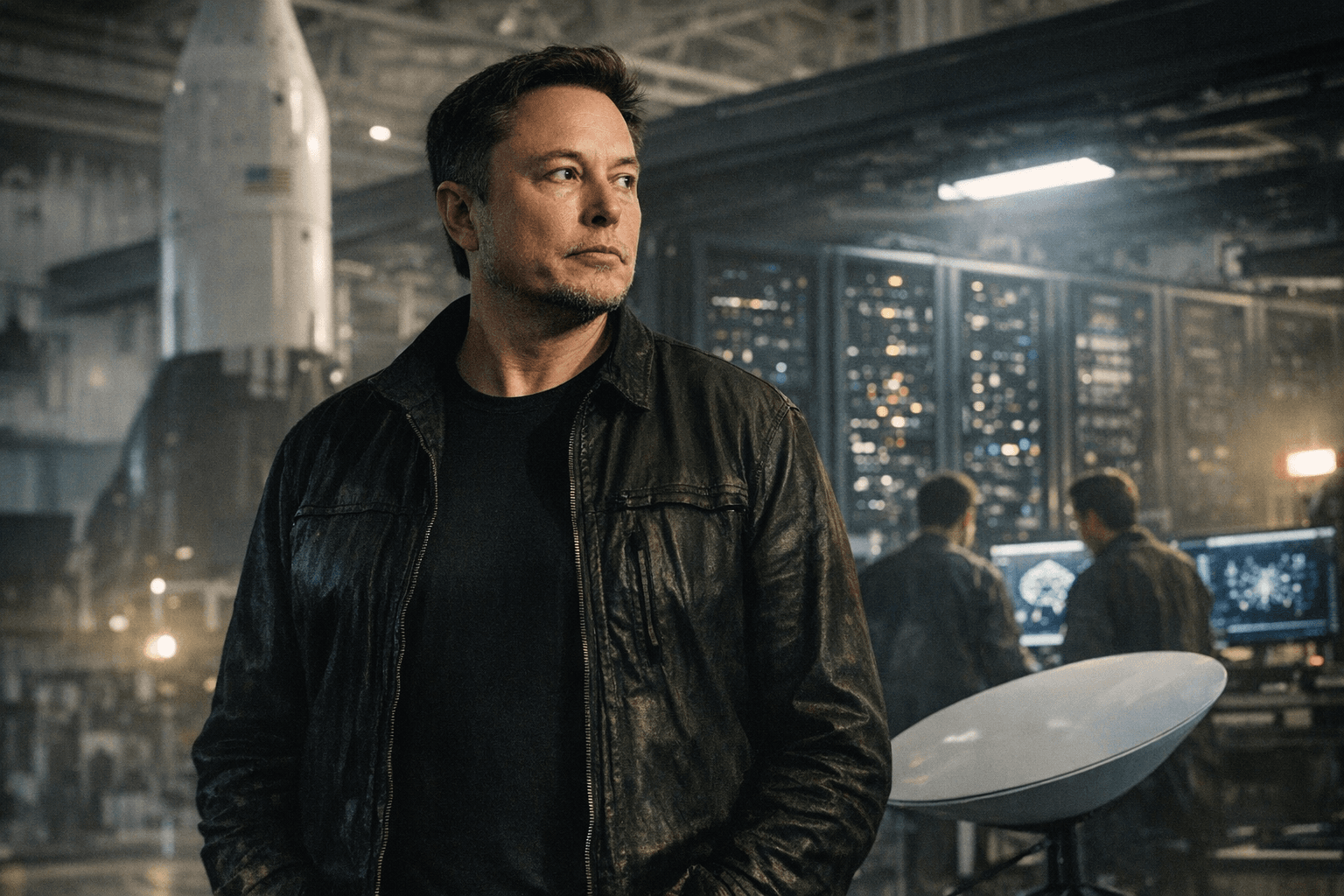
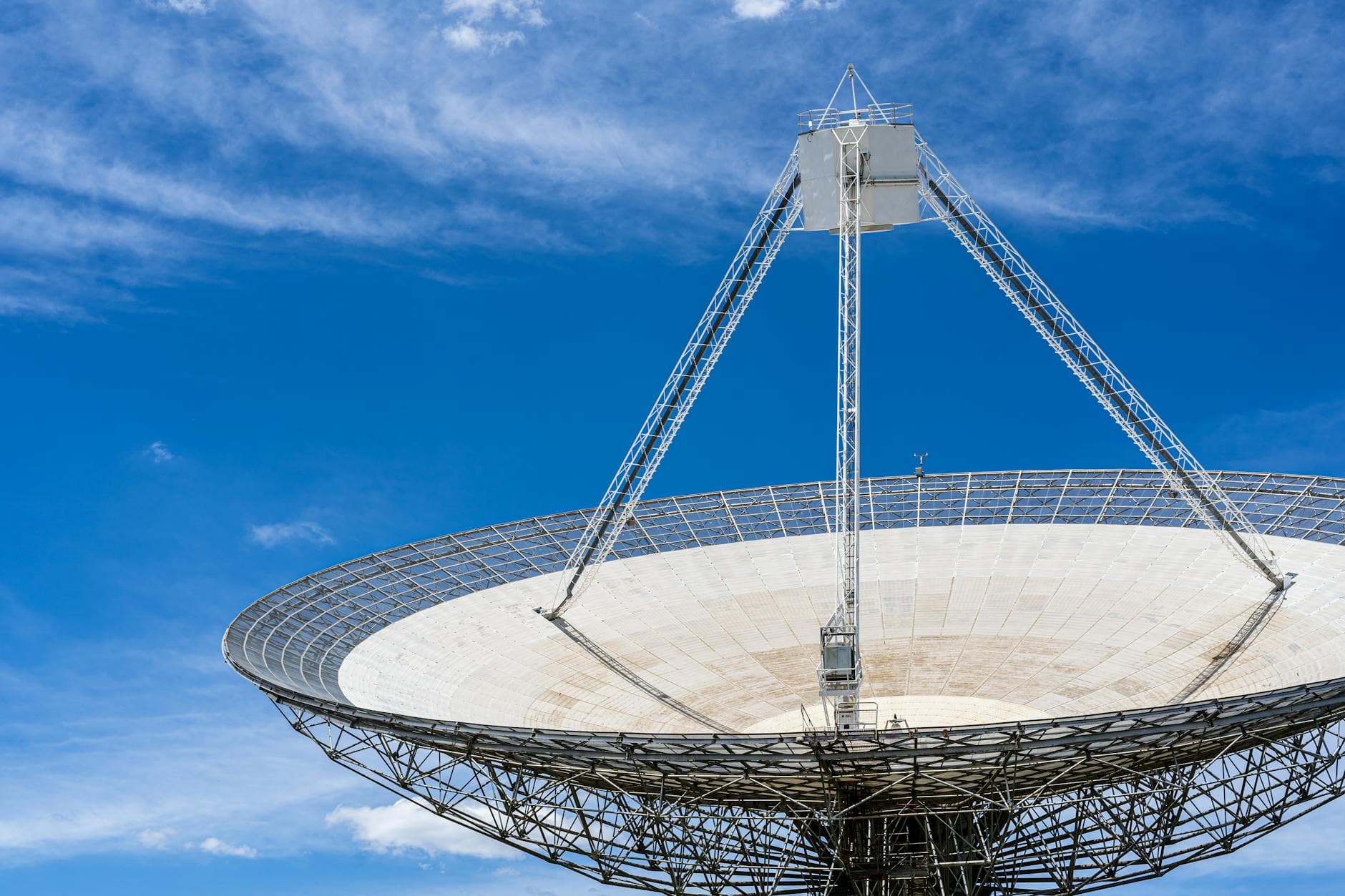
The company is not stopping at terrestrial compute. SpaceX has told investors that plans for space-based artificial intelligence data centers rely on unproven technologies and may never become commercially viable. The same filing also points to longer-range ambitions tied to the Moon and Mars, where the technical hurdles and capital demands would be even greater. That makes SpaceX look less like a classic aerospace manufacturer and more like a vertically integrated tech platform trying to build its own compute stack around orbit, broadband and launch.
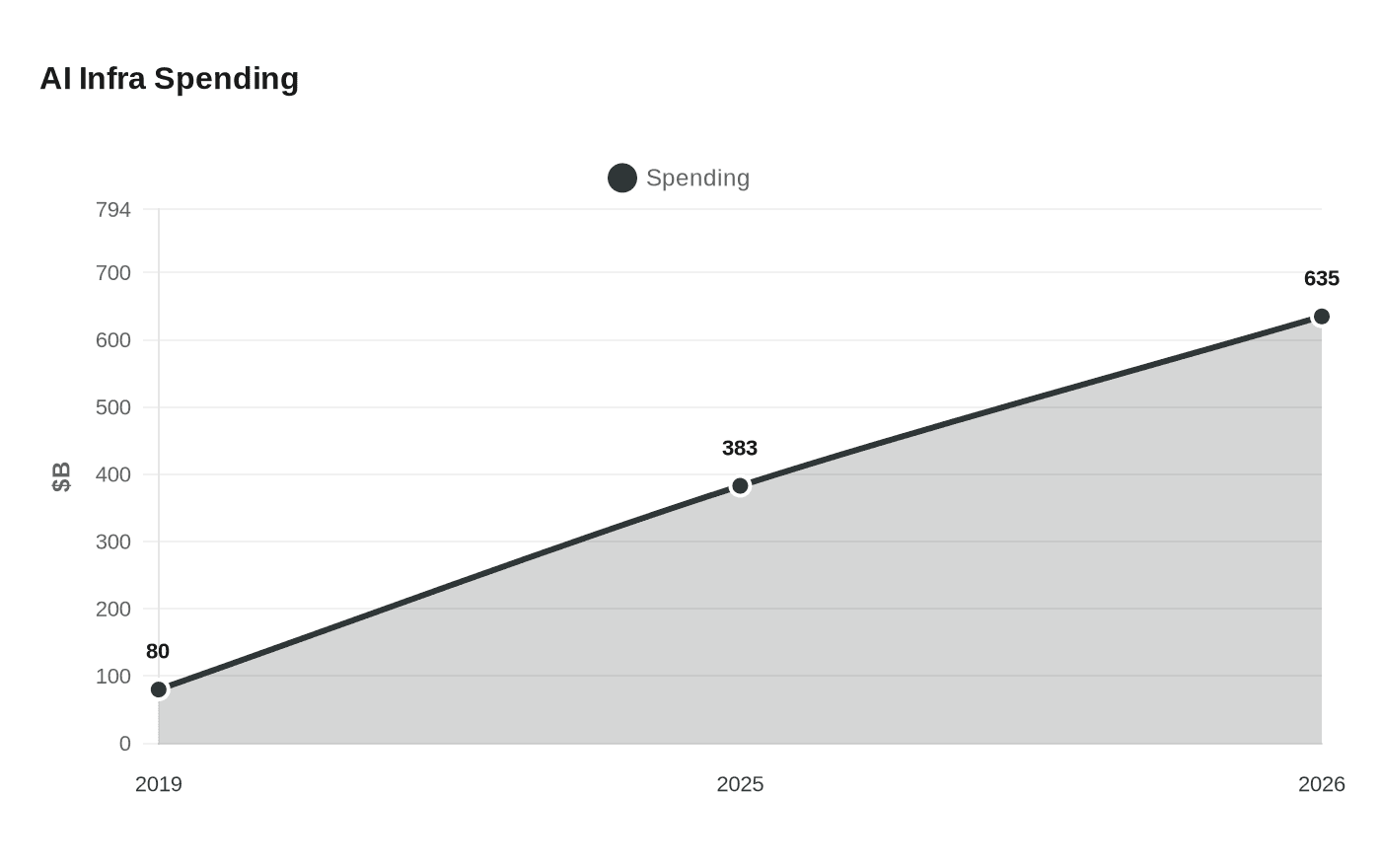
Investors are likely to press for evidence that the economics can work. Melissa Otto of S&P Global Visible Alpha said investors will want “clear visibility” on how the model evolves and whether the compute economics can work at scale. The concern is not abstract: Microsoft, Amazon, Alphabet and Meta were planning about $635 billion of AI-related infrastructure spending in 2026, up from $383 billion in 2025 and $80 billion in 2019, a reminder that the AI race is brutally capital intensive even for the largest companies.
SpaceX’s IPO structure suggests Elon Musk intends to keep a firm grip on the company while that bet plays out. Musk and a small group of insiders would retain voting control through super-voting shares after any listing, limiting public investor influence. For SpaceX, the upside is clear if AI and space computing mature into a new business line. The danger is just as clear: if costs keep rising faster than revenue, Starlink’s hard-won profits could end up financing one of the most expensive experiments in the private market.
This article was produced by Prism’s automated news system from verified source data, official records, and press releases, then run through automated quality and moderation checks before publishing. The system is built and supervised by the people who set the standards it runs under. Read our full AI policy.
Did this article answer your question?


