Xpeng targets flying-car production in 2027, humanoid robots in 2026
Xpeng says its flying-car program already has 7,000 orders, but mass production still depends on approvals, testing and a harder path to scale.
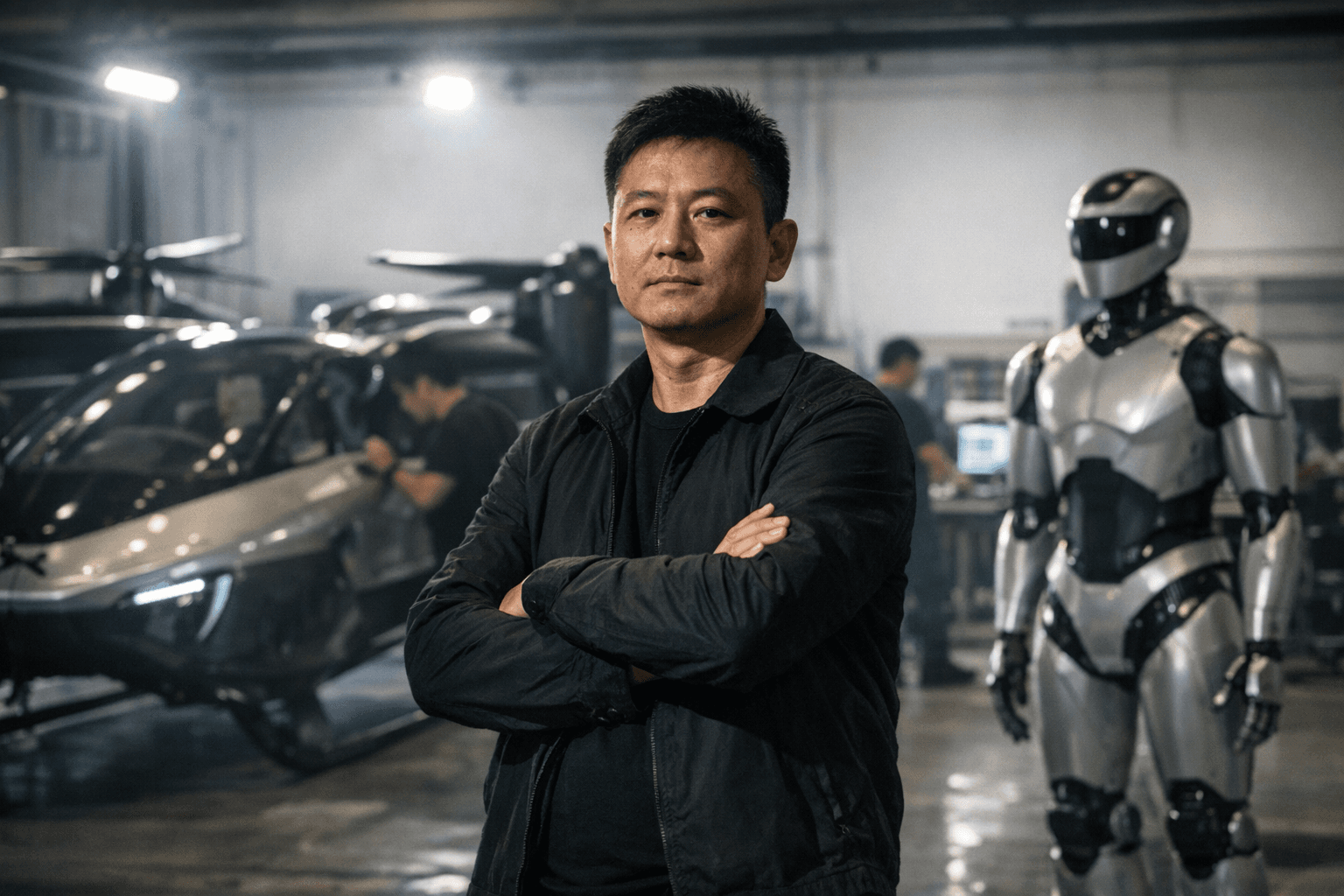
Xpeng is making its boldest bet yet that China’s future-tech ambitions can survive the jump from showroom spectacle to regulated mass production. The electric-vehicle maker says it expects large-scale flying-car production in 2027 and humanoid-robot production in the fourth quarter of 2026, even as its aviation plans still depend on Chinese regulatory approval.
Brian Gu, Xpeng’s vice chairman and president, said the company has already taken in more than 7,000 orders for its flying-car program, most of them in China. That kind of early demand gives Xpeng a marketing win, but it also sharpens the central test: whether a vehicle that can lift off, land safely and operate under aviation rules can move from demonstration to repeatable, commercially viable production. The company has already said its Land Aircraft Carrier flying car was set for an inaugural flight in Dubai in October 2025, underscoring how seriously it wants international validation alongside domestic approval.
Xpeng is trying to build that credibility on multiple fronts at once. At its 2025 AI Day in Guangzhou, the company unveiled VLA 2.0, Robotaxi, Next-Gen IRON and two flying systems from ARIDGE, and said those four AI applications already had mass-production plans. In March 2026, Xpeng said robotaxi trials in China would begin later this year, Volkswagen would be the inaugural launch partner for its next-generation intelligent driving system in the Chinese market, and global delivery of VLA 2.0 would begin in 2027. The company is also preparing robotaxi testing in Guangzhou this year and sees 2027 as a critical year for testing with partners around the world.
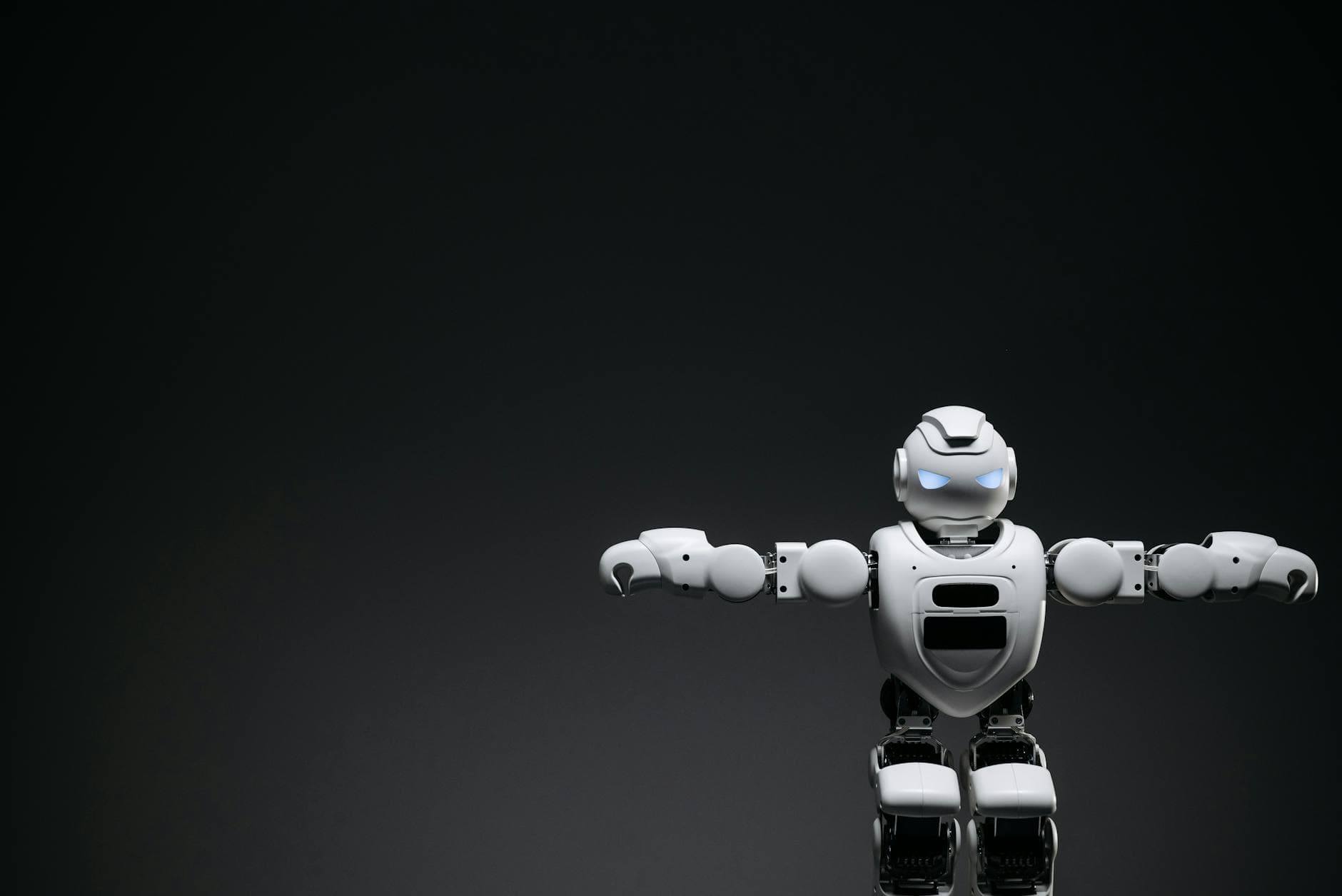
The broader message is that Xpeng is no longer acting like a carmaker alone. Gu said the robot business could eventually become larger than the car business, arguing that humanoid robots will have wide uses in everyday life and that robot revenue could overtake vehicle revenue over a 10- to 20-year horizon. Xpeng had already said in 2025 that its humanoid robot IRON was set for mass production in 2026.
That ambition is being paired with a global push. Xpeng says it operates in about 60 countries outside China, took about 10% of sales volume and 15% of revenue from overseas markets in 2025, and expects more than half of revenue to come from outside China within five to 10 years. The company’s Munich research and development center is part of that plan, alongside deeper cooperation with Volkswagen. Gu said there is “tremendous potential” for more collaboration, while Xpeng wants to stay flexible enough to work with several partners in different regions. For a company founded in 2014, the next two years will show whether futuristic branding can clear the harder barriers of certification, manufacturing and liability.
This article was produced by Prism’s automated news system from verified source data, official records, and press releases, then run through automated quality and moderation checks before publishing. The system is built and supervised by the people who set the standards it runs under. Read our full AI policy.
Did this article answer your question?