SpaceX presses Pentagon to pay more for Starlink war use
SpaceX told the Pentagon its Starlink access for war-use drones should cost about five times more, sharpening a fight over who controls battlefield connectivity.
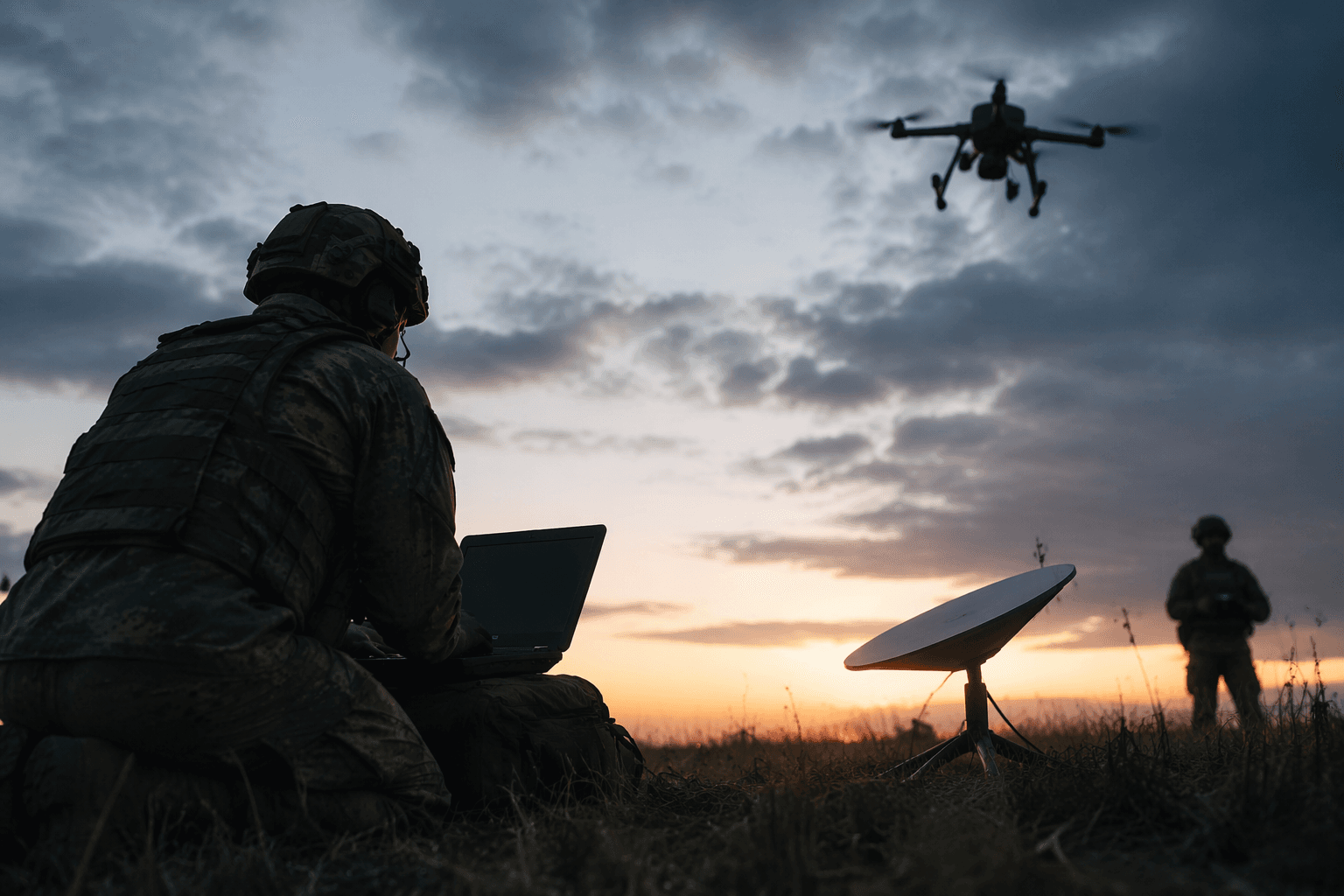
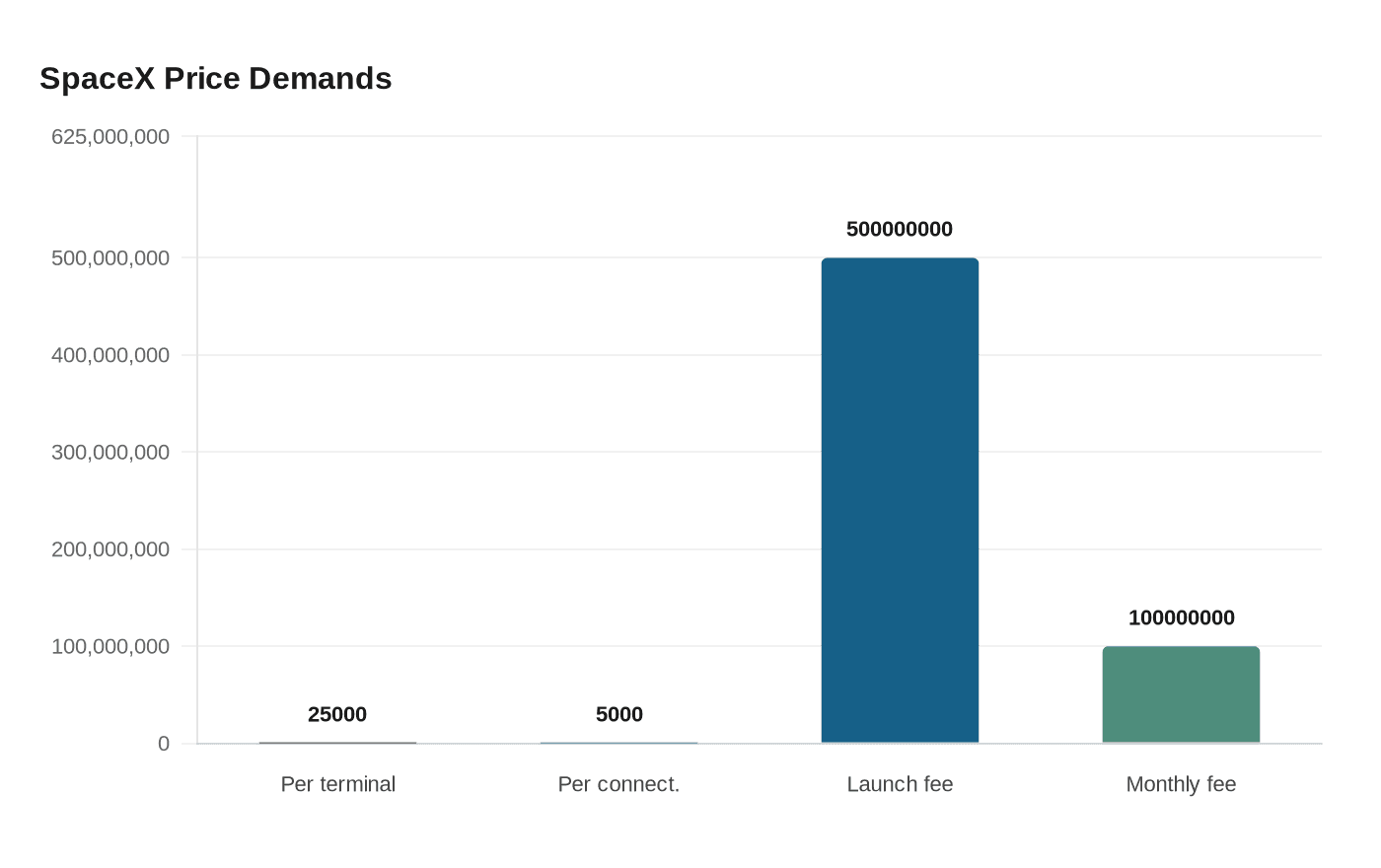
SpaceX has pressed the Pentagon to pay far more for Starlink access tied to U.S. military use in the Iran war, turning battlefield connectivity into a pricing fight with clear national-security stakes. Senior SpaceX officials argued that the military was effectively buying a higher tier of service for about $25,000 per terminal, not the roughly $5,000 per connection it had been paying.
The dispute centered on LUCAS, the Low-Cost Uncrewed Combat Attack System, a suicide drone made by Arizona-based SpektreWorks. The drone was publicly shown in July 2025 at a Pentagon event where Defense Secretary Pete Hegseth toured companies presenting new gear, and the system reached combat in Iran about eight months later. That rapid transition underscored how quickly the U.S. military has moved to cheap, attritable weapons shaped by lessons from Ukraine and by Iran-made Shahed drones used by Russia.
SpaceX framed the issue around how the drones were using Starlink. Company officials said the aircraft-like usage justified a more expensive aviation-style subscription rather than a cheaper land or mobility plan. Pentagon officials pushed back, saying the premium price was meant for aircraft, not drones that tapped the network only for minutes or hours. In the end, the Pentagon accepted SpaceX’s proposed increase, nearly doubling the cost per drone.
The friction reached beyond LUCAS. SpaceX also proposed charging as much as $500 million to launch a direct-to-cell Starlink capability for Iran, plus a $100 million monthly operating fee, a figure that reportedly rattled defense officials. The company generated $11.4 billion in Starlink revenue in 2025, giving it enormous leverage as the military leans on its satellite network for combat communications and emergency connectivity. SpaceX’s military service, Starshield, is covered under a 2023 agreement, but the Iran episode showed how blurred the line can become between commercial service and government use once a war is underway.
Elon Musk pushed back publicly, saying the drones had used the commercial Starlink service rather than the government-specific network and that the contractor building them had violated Starlink’s terms of service. Pentagon officials declined to comment on the pricing clash or the Iran cell-service plan. The episode exposed a deeper vulnerability: when one private company controls critical battlefield connectivity, the government may have operational dependence but only limited leverage over price, terms, and wartime access.
This article was produced by Prism’s automated news system from verified source data, official records, and press releases, then run through automated quality and moderation checks before publishing. The system is built and supervised by the people who set the standards it runs under. Read our full AI policy.
Know something we missed? Have a correction or additional information?
Submit a Tip