SpaceX proposes $55 billion Texas chip factory to cut supplier dependence
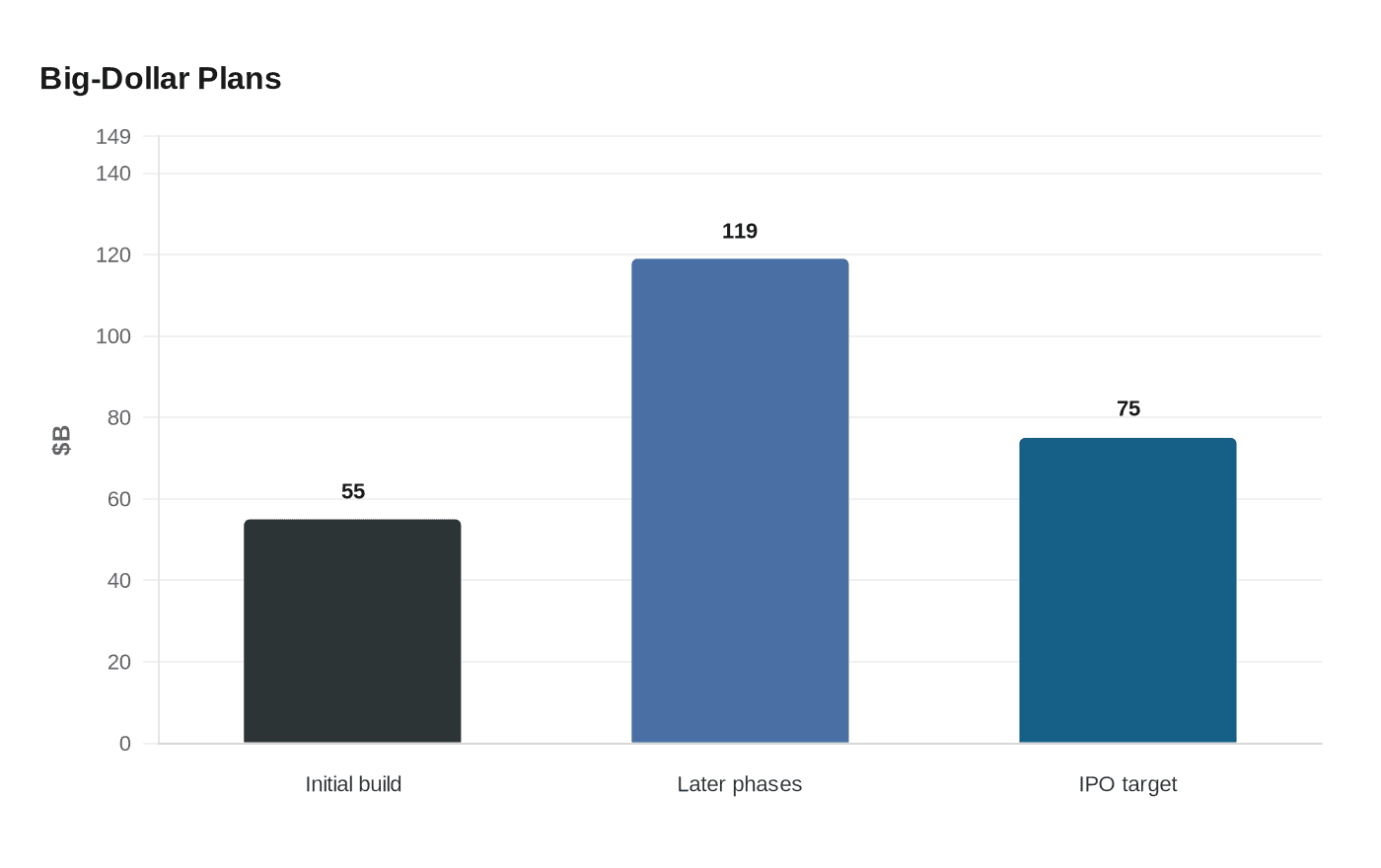
SpaceX put a $55 billion Texas chip plant on the table, while Grimes County prepared to weigh tax breaks for a project that could grow far larger. The full build could reach $119 billion.
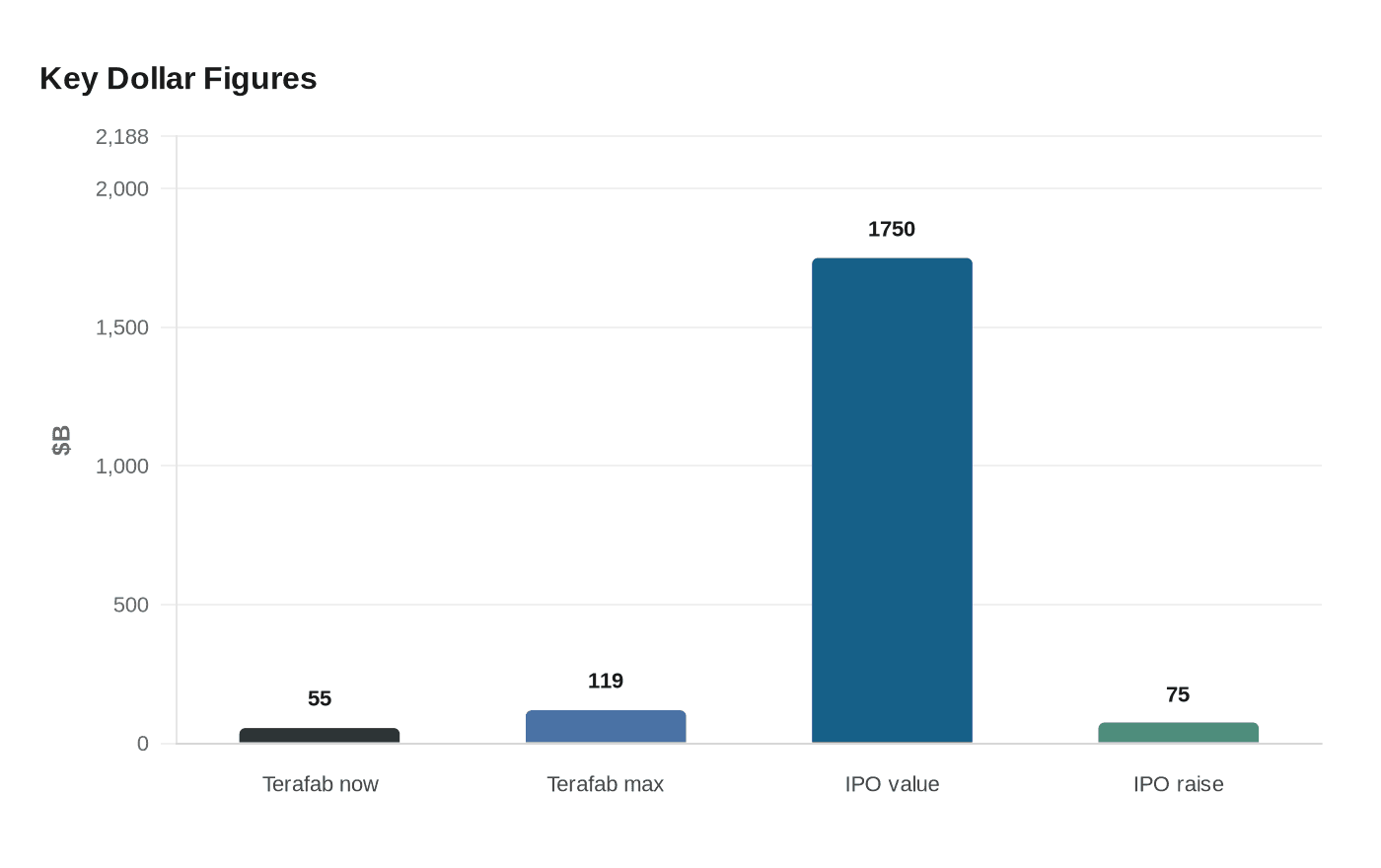
SpaceX proposed a $55 billion semiconductor manufacturing complex in Texas, a project called Terafab that could climb to $119 billion if later phases move ahead. The first build would be among the largest industrial bets ever attempted by Elon Musk’s companies, and it would give SpaceX and Tesla a more direct path to advanced chips in a market where supply remains tight and geopolitics still shape access to critical hardware.
The planned site sits in Grimes County, within a newly designated reinvestment zone near Gibbons Creek Reservoir and about 20 miles east of Bryan-College Station. County officials are set to consider a property tax abatement agreement at a June 3 meeting at 9 a.m. in Anderson, a sign that public incentives could become part of the deal as local governments compete for major industrial investment.
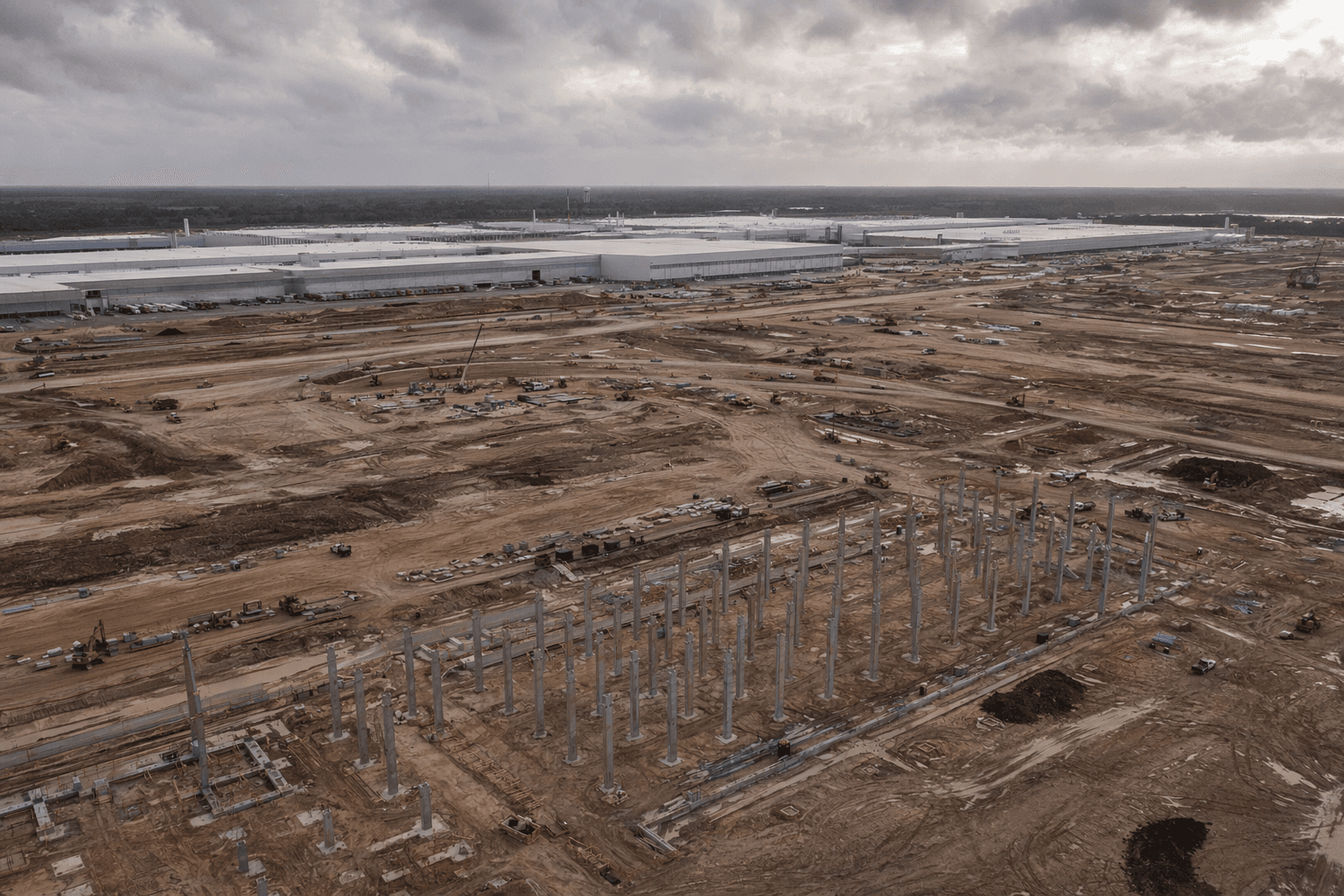
The project points to a more vertical version of Musk’s corporate empire. SpaceX has already moved to bring more chip supply chain work in-house in Bastrop, where it is installing equipment at an advanced chip packaging facility aimed at radio-frequency chips used in Starlink products, with production targeted by the end of 2026. Terafab would take that logic much further, extending from packaging into manufacturing and tying chip production directly to SpaceX and Tesla’s hardware needs.
That has policy implications well beyond one company. Domestic semiconductor capacity has become a strategic priority in the United States, and a proposal of this size would raise familiar questions about whether public incentives, infrastructure support and regulatory accommodation are justified by the promised industrial return. It would also test whether Texas can keep absorbing the demands of megaprojects that require extraordinary amounts of power, water, land and specialized labor.
The timing adds another layer of scrutiny. SpaceX was preparing for a June initial public offering that could value the company at about $1.75 trillion, with a roadshow planned for the week of June 8, a retail investor event set for June 11 and the prospectus due in late May. The company is seeking as much as $75 billion, and chief financial officer Bret Johnsen has said retail participation would be bigger than in any IPO in history.
Musk’s broader strategy is becoming harder to separate by company line. SpaceX has also tightened its ties to xAI, reinforcing a system in which rockets, satellites, vehicles, AI infrastructure and chip supply are increasingly connected. Terafab would deepen that model and place a massive wager on Texas as a domestic manufacturing base for one of the most technically demanding industries in the economy.
This article was produced by Prism’s automated news system from verified source data, official records, and press releases, then run through automated quality and moderation checks before publishing. The system is built and supervised by the people who set the standards it runs under. Read our full AI policy.
Did this article answer your question?