SpaceX turns to bond market after blockbuster IPO, cash tops $100 billion
SpaceX tapped bonds for the first time days after its IPO, even as cash rose to $100.8 billion. The debt move signaled bigger AI and rocket spending ahead.
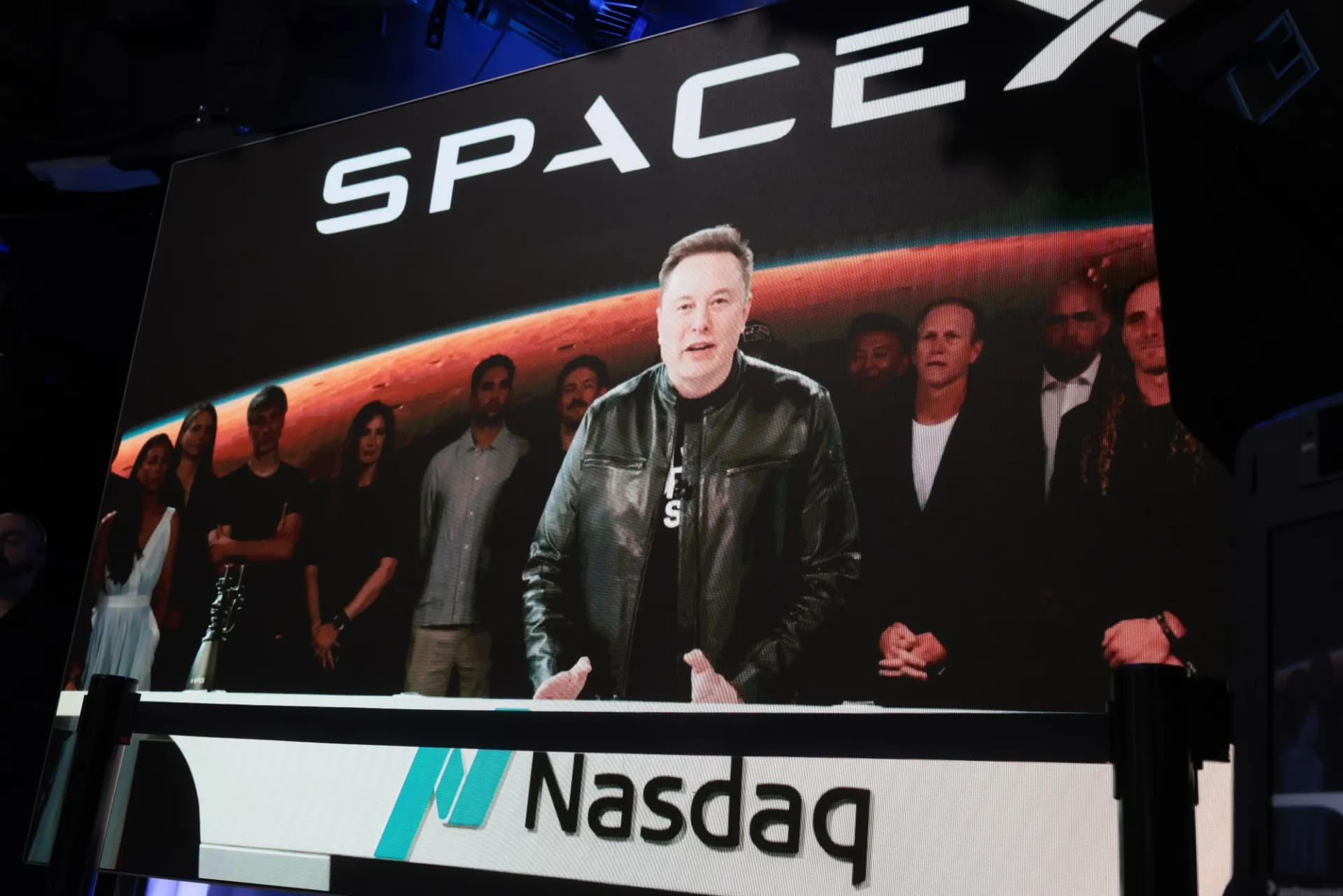
SpaceX tapped the bond market for the first time just days after its blockbuster June 12 IPO, moving to sell notes even as it disclosed cash reserves of $100.8 billion. The combination of a huge cash pile and fresh borrowing points to a company preparing for a much heavier capital bill ahead, not one strapped for liquidity.
The debt sale is meant to reshape SpaceX’s balance sheet by replacing short-term bridge financing with longer-dated borrowing. That gives Elon Musk’s company more room to maneuver as it pours money into artificial intelligence work and next-generation rockets, both of which require sustained spending long before they can produce meaningful returns.
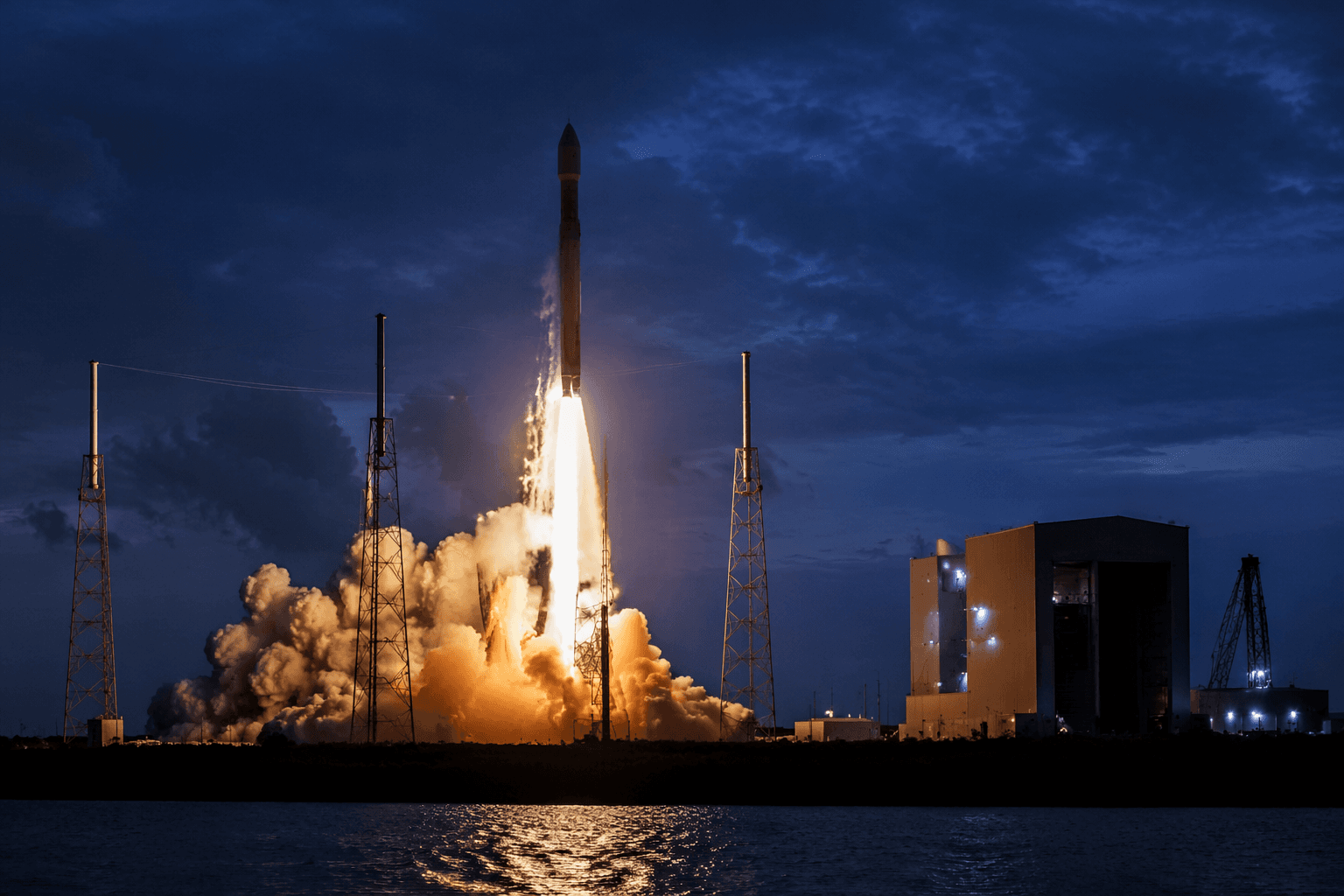
The timing underscored the unusual scale of SpaceX’s financing. The IPO raised $85.7 billion and turned the company into one of the world’s most valuable firms, while leaving Musk with 82% of its voting power. Rather than relying on new share issuance to fund the next stage of expansion, SpaceX is turning to debt, preserving control concentration while still securing capital for growth.
Markets appeared to reassess what that mix means. SpaceX shares fell about 9% in morning trading Monday, marking a third straight session of declines as investors digested the company’s size, its capital needs and the implications of the new notes offering. The slide suggested that headline wealth has not erased questions about how aggressively SpaceX plans to spend, or how much leverage it wants to take on while its valuation remains elevated.
The move also signals that SpaceX is behaving more like a mature, capital-intensive industrial company than a traditional space startup. With more than $100 billion in cash and a financing strategy built around debt, the company is signaling that the next phase of its growth will be measured not just by launches, but by how effectively it can fund a sprawling buildout in rockets and artificial intelligence without loosening Musk’s grip on control.
This article was produced by Prism’s automated news system from verified source data, official records, and press releases, then run through automated quality and moderation checks before publishing. The system is built and supervised by the people who set the standards it runs under. Read our full AI policy.
Know something we missed? Have a correction or additional information?
Submit a Tip