SpaceX warns investors its moon, Mars and space data center plans may fail
SpaceX told investors its space AI data centers and Moon and Mars plans may never be commercially viable. The filing lays bare the gap between its hype and bankable business.
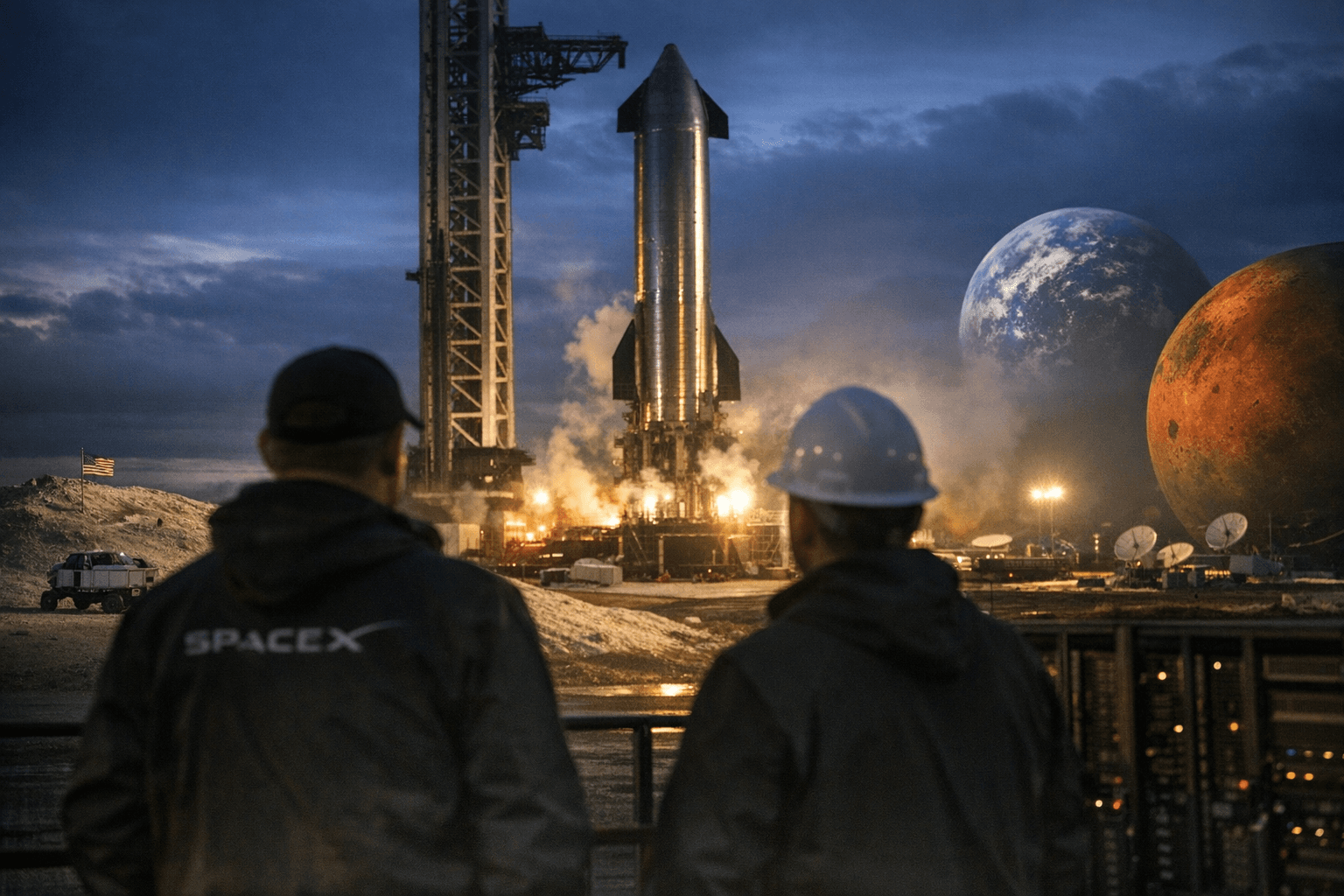
SpaceX’s pitch to investors now reaches far beyond rocket launches and Starlink subscriptions, but its own filing drew a hard line under how speculative that future remains. The company said its plans for space-based artificial intelligence data centers, along with human settlements on the Moon and Mars, rely on unproven technologies and may never become commercially viable.
That warning matters because SpaceX has been building a market story around inevitability, a company destined to reshape transport, communications and computing all at once. In the filing, though, those ambitions are treated as risk factors, not established businesses. The language tells prospective investors that some of the most dramatic parts of SpaceX’s narrative may stay in the realm of engineering experiments rather than repeatable profit engines.
The challenge is especially sharp for space-based data centers. Any such system would have to solve power generation, cooling, reliability and logistics problems that current industry infrastructure has not mastered on Earth, let alone in orbit. The Moon and Mars plans are even more distant from commercial reality. By acknowledging that they may not generate returns, SpaceX is asking investors to separate frontier-tech vision from the harder question of whether the business can make money at scale.
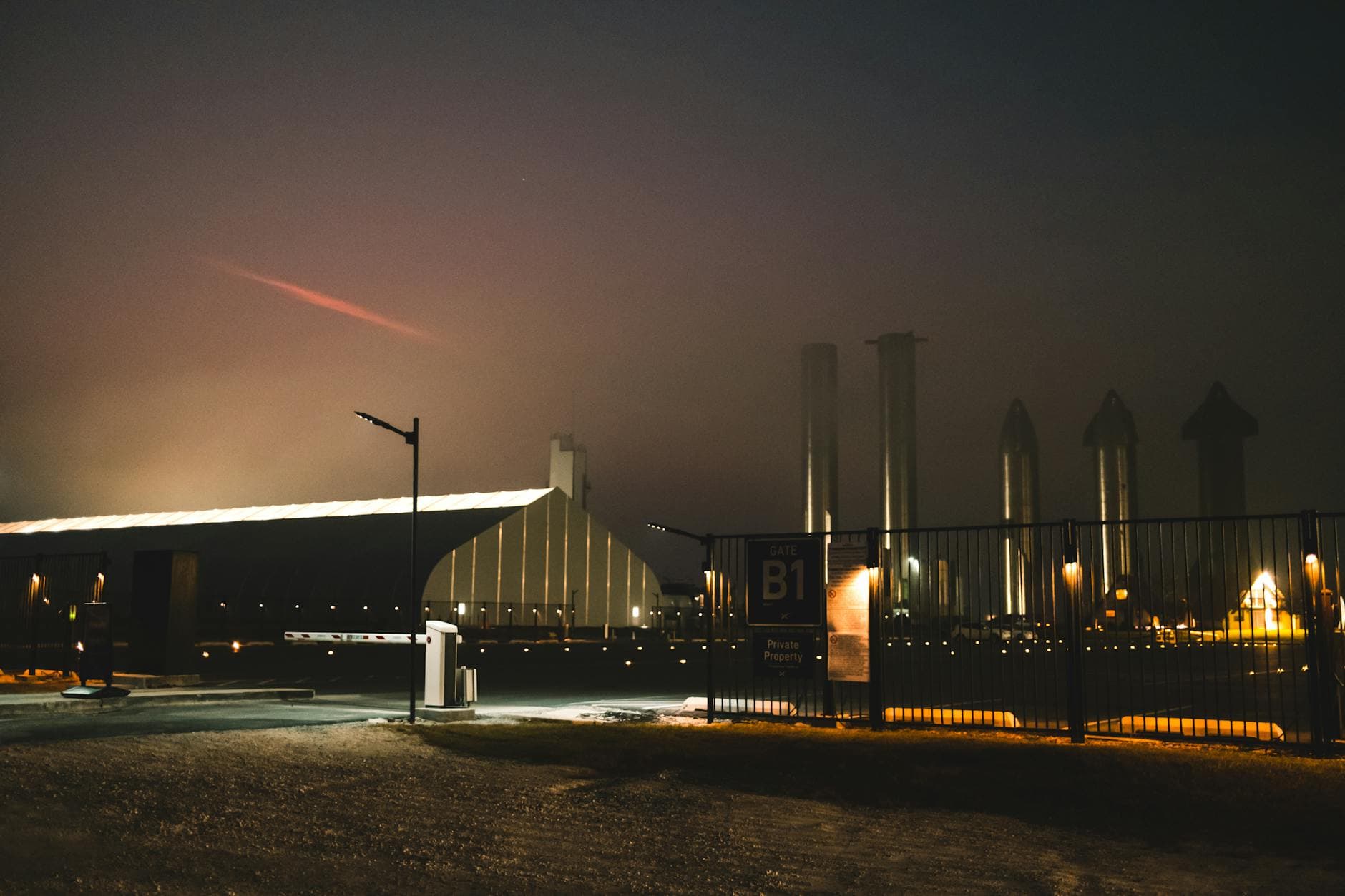
The filing comes as SpaceX steps deeper into the public-market process. The company is briefing aerospace and tech analysts at its Texas launch facility and Tennessee data center, part of a broader campaign ahead of a possible initial public offering. Bret Johnsen, SpaceX’s finance chief, has also told investors about a secondary share sale that would value the company at $800 billion, and the company is targeting a late-2026 IPO.
Governance is part of that package too. SpaceX plans to keep Elon Musk and a small group of insiders in voting control after the offering through super-voting shares, preserving the founder’s command even as new shareholders buy in. That structure, paired with a possible raise of more than $25 billion, would make the float one of the biggest ever if it proceeds.
For now, Starlink remains the company’s major revenue engine, a far more mature business than orbital data centers or Martian settlements. That contrast is exactly why the filing’s cautionary language matters: it signals that investors may be asked to underwrite a proven satellite business while also betting on technologies that do not yet exist at commercial scale.
This article was produced by Prism’s automated news system from verified source data, official records, and press releases, then run through automated quality and moderation checks before publishing. The system is built and supervised by the people who set the standards it runs under. Read our full AI policy.
Did this article answer your question?

