SpaceX warns IPO investors of major dilution as filing reveals losses, Musk control
SpaceX warned it could issue significant equity after going public, a move that could dilute investors even as Musk keeps about 85.1% of the vote.

SpaceX told prospective investors that a future wave of stock issuance could shrink their ownership even after one of the biggest IPOs ever. In amended S-1 paperwork filed with the U.S. Securities and Exchange Commission on May 20, the company said it may issue a significant amount of equity in connection with future transactions, a disclosure that makes plain the risk of dilution, weaker per-share economics and a longer road to meaningful outsider influence.
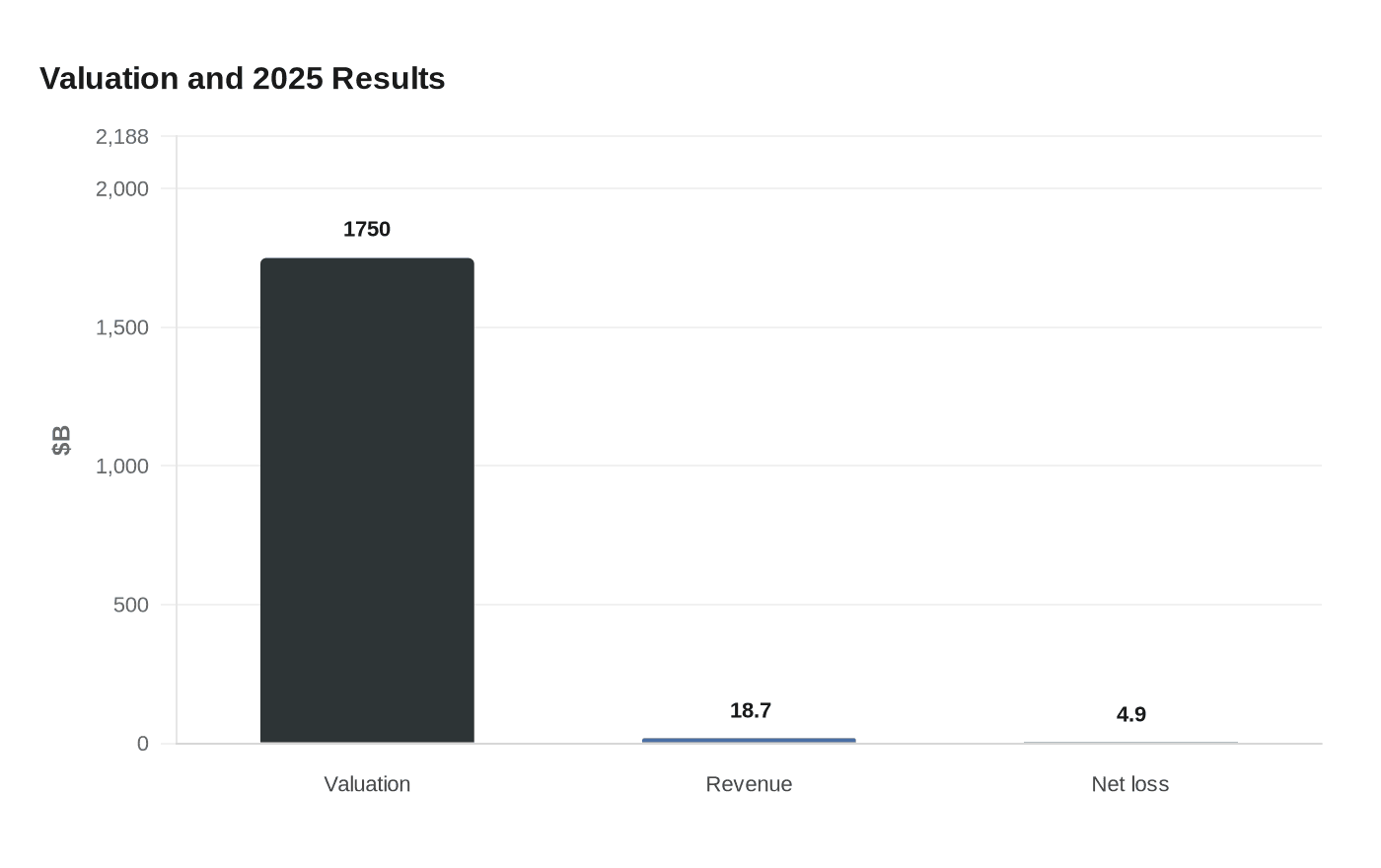
That warning lands hard because SpaceX is already being pitched at extraordinary scale. Coverage around the filing put the company’s target valuation near $1.75 trillion, with a planned Nasdaq listing under the ticker SPCX. At that level, even modest follow-on equity deals could matter: more shares would spread future gains across a larger base, pressuring returns for new investors if the company keeps tapping stock as currency for acquisitions, partnerships or other deals.

The filing also gave the market its first public look at the company’s finances. SpaceX reported about $18.7 billion in revenue in 2025 and a net loss of roughly $4.9 billion. Starlink accounted for a majority of that revenue, underscoring how central the satellite internet business has become to the company’s current economics even as SpaceX continues to frame itself around rockets, launch services and a broader push into Mars-related ambitions and artificial intelligence.
Governance may be the other major sticking point. The filing said Elon Musk would retain dominant voting power after the IPO through a dual-class structure, and later coverage put his post-IPO voting control at about 85.1%. That combination, heavy dilution risk on one side and unusually concentrated control on the other, leaves outside shareholders with limited power over how aggressively SpaceX uses equity in the years ahead.
The result is a rare public snapshot of a company that is still burning cash while preparing to ask investors to value its future at a near-unprecedented scale. The numbers suggest a simple but uncomfortable equation: the space business remains brutally capital-intensive, and even SpaceX, the strongest private player in the sector, may need to keep paying for growth with stock as well as rockets.
This article was produced by Prism’s automated news system from verified source data, official records, and press releases, then run through automated quality and moderation checks before publishing. The system is built and supervised by the people who set the standards it runs under. Read our full AI policy.
Know something we missed? Have a correction or additional information?
Submit a Tip