Spain mobilises military to contain African swine fever near Barcelona
Spanish authorities deployed police and military forces after two wild boar near Bellaterra tested positive for African swine fever, prompting local restrictions and heightened surveillance. The outbreak threatens Spain's multi billion euro pork industry and raises broader concerns about cross border transport, food waste and protections for small farmers and rural communities.
Spanish troops and police were sent into the hills near Bellaterra on Monday after two wild boar found dead tested positive for African swine fever, prompting authorities to establish containment measures around an area close to the AP 7 highway that links Spain and France. Officials imposed a 6 kilometre exclusion zone around the initial detection site and broader restrictions stretching to 20 kilometres while teams searched for and removed potentially infected animals.
The virus poses a grave economic threat rather than a public health risk to people, since African swine fever does not infect humans. Nonetheless the disease can decimate pig populations and force mass culling, imperil livelihoods and disrupt supply chains in Spain, which exports pork to markets around the world. As a precaution last Friday Spain temporarily halted shipments of pork to China, a major buyer, until Beijing confirmed it would limit any ban to regions affected by the virus. Chinese authorities later said they could resume imports from unaffected areas.
Spanish officials said investigators suspected the infection might have started when a wild boar ate contaminated food, possibly a sandwich brought from outside Spain. That detail has focused attention on how waste from vehicles and travellers along major transport arteries can seed outbreaks, particularly in border regions and along the AP 7 corridor that handles heavy freight between Iberia and the rest of Europe.
An EU veterinary team will visit the site this week to survey the area, advise local authorities and prepare a report with recommendations. No commercial pig farms have tested positive so far, but more suspected cases are being investigated and authorities warned that intensified surveillance was likely to reveal additional infections.
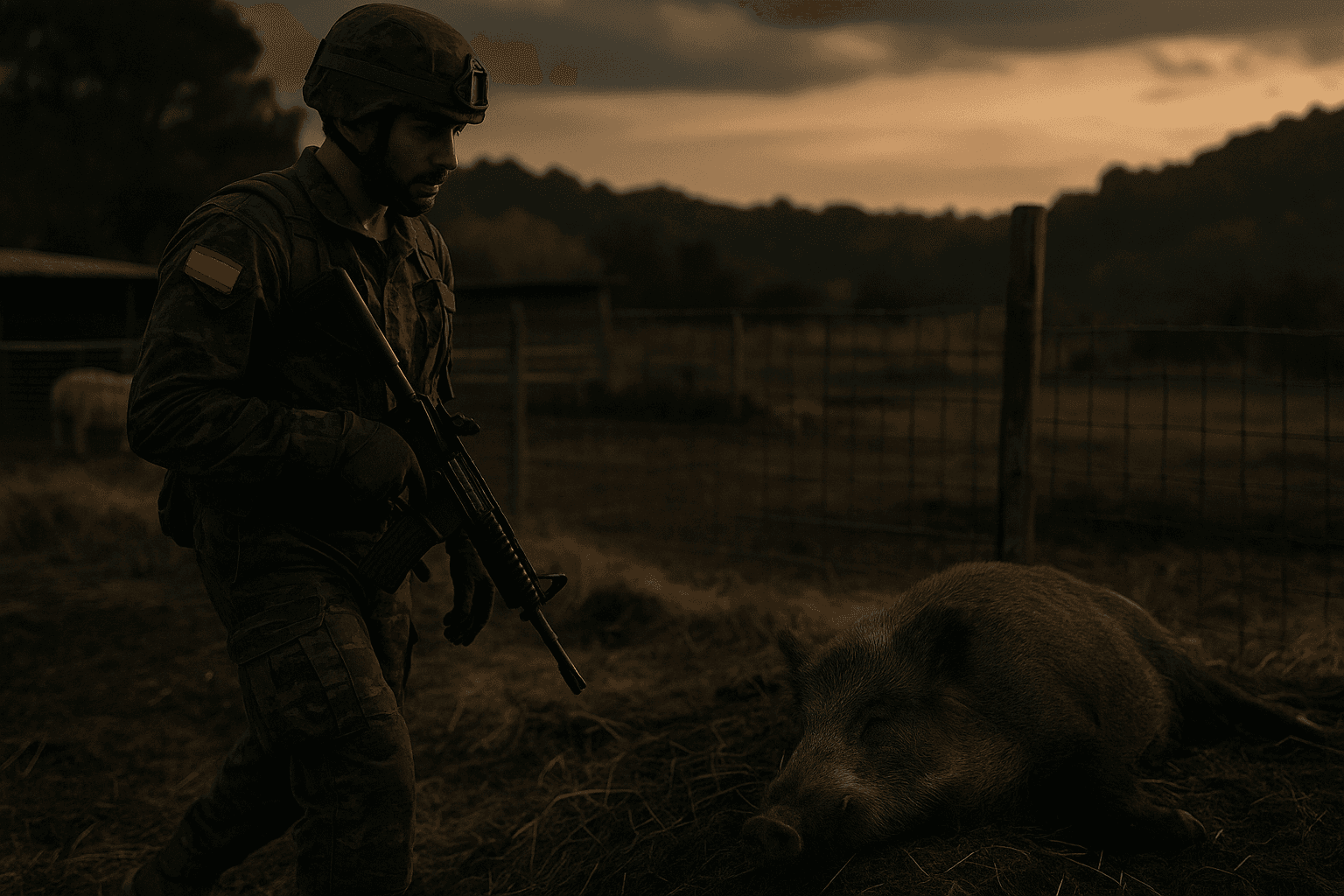
The deployment of military personnel underscored the seriousness of the response and the difficulty of controlling a virus that persists in the environment. Containment strategies include tracing and removing carcasses, restricting movement in the affected zone, and heightened biosecurity checks at farm and transport gates. Those measures will be costly for local administrations and farmers alike, and they expose long standing gaps in protections for small scale producers who typically lack the resources to absorb prolonged trade restrictions and mandatory culling.
Public health experts and rural advocates say the outbreak highlights systemic issues that extend beyond veterinary medicine, including waste management on highways, coordination between national and regional authorities, and compensation systems for farmers. The risk to the wider economy is real given Spain's role as a leading pork producer in Europe. How quickly authorities detect and isolate new cases, and how effectively they support affected communities, will shape whether the outbreak can be contained without devastating long term damage to rural livelihoods and cross border trade.
This article was produced by Prism’s automated news system from verified source data, official records, and press releases, then run through automated quality and moderation checks before publishing. The system is built and supervised by the people who set the standards it runs under. Read our full AI policy.
Did this article answer your question?