Spain wildfires force mass evacuations as fires near Madrid merge
Three fires west of Madrid merged as thousands slept in sports halls and cars, waiting to learn whether homes in the blaze's path survived.
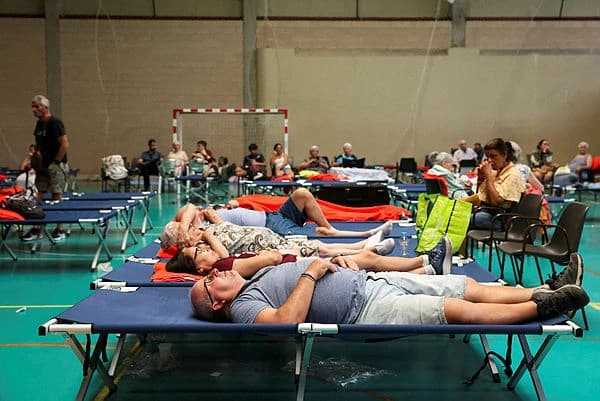
Three fires west of Madrid merged into one large blaze as Spain’s government declared a national emergency, forcing roughly 60,000 people in the Madrid region to evacuate or stay indoors. Early in the crisis, at least 10,000 people were moved out near Madrid and Ávila, and the rush to safety soon turned into a wait for news that many evacuees could not escape.
In Madrid-area sports halls and emergency centers, families spent the night with little more than what they could carry. Some had been evacuated more than once as the flames advanced through villages and towns including Chapinería, San Martín de Valdeiglesias, Villanueva de la Cañada, La Adrada and Burgohondo. Others slept in their cars, unsure whether the homes they left behind were still standing.
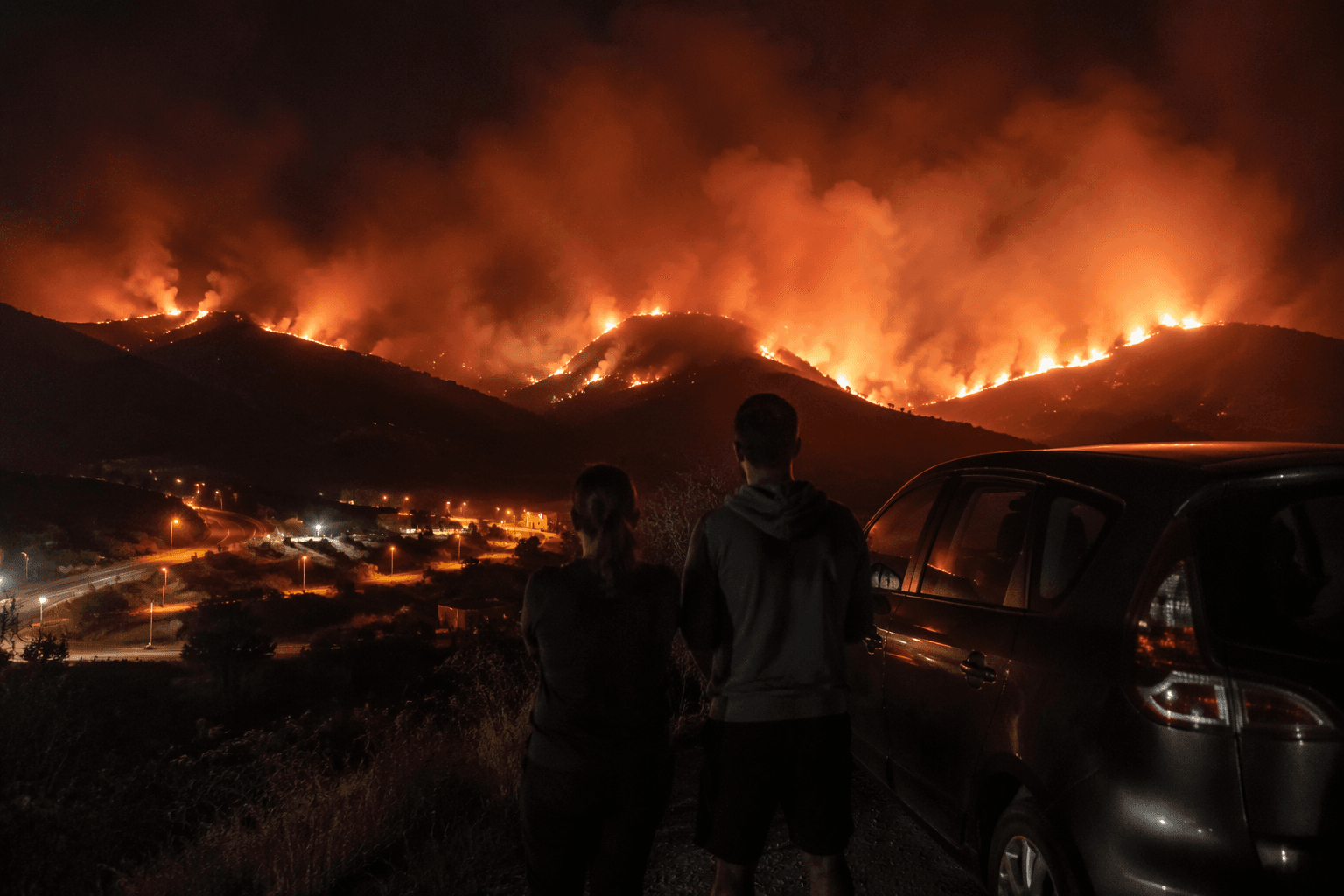
The fire line widened under strong winds and scorching temperatures that made containment harder and evacuation more precarious. Spanish Prime Minister Pedro Sánchez said firefighters were working to "save lives," while Madrid regional president Isabel Díaz Ayuso called it the "worst fire in the history of the region" and warned the next few hours could be worse. The emergency response had to account not only for the flames, but for the strain of moving people again and again while they waited in limbo.
That fear was sharpened by another wildfire warning from earlier in the month, when Reuters reported that some Spanish wildfire victims burned in cars after roads turned into death traps. The Madrid fires unfolded amid a broader wave across Spain and southern France, where high heat and shifting winds pushed evacuations across a wide stretch of the Iberian peninsula. For the people now crowded into shelters or stranded in vehicles, the danger was not just losing a home; it was the uncertainty of whether they could safely return to one.
This article was produced by Prism’s automated news system from verified source data, official records, and press releases, then run through automated quality and moderation checks before publishing. The system is built and supervised by the people who set the standards it runs under. Read our full AI policy.
Did this article answer your question?