Spain's migrant regularization drive sparks political fight amid long queues
Long lines formed as Spain opened its migrant regularization drive, a policy that could affect 500,000 people and has already ignited a national backlash.
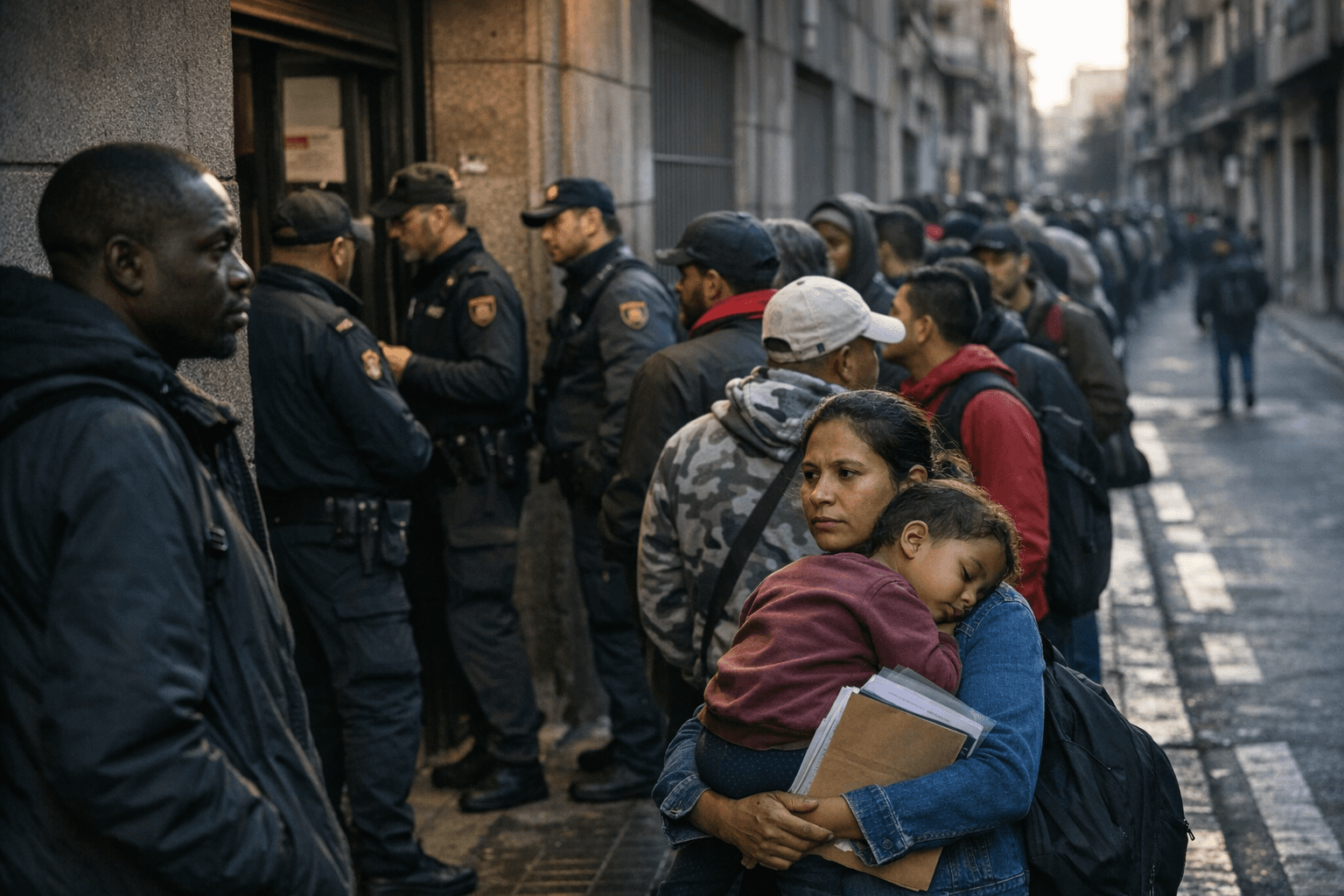
Queues built quickly at application centers as Spain opened its migrant regularization drive, turning an administrative process into an immediate political flashpoint. The program, backed by Prime Minister Pedro Sánchez’s left-wing government, offered undocumented migrants a one-year renewable residence permit if they could show they had lived in Spain for at least five months and had no criminal record.
Applications opened Monday, April 20, and will run through the end of June. Officials said the program could ultimately affect roughly 500,000 people, but the true scale remained uncertain. One Spanish think tank cited in the reporting put the number of undocumented workers in Spain at about 840,000. A police-linked immigration center went further, saying the pool of potential applicants could range from 750,000 to 1 million.
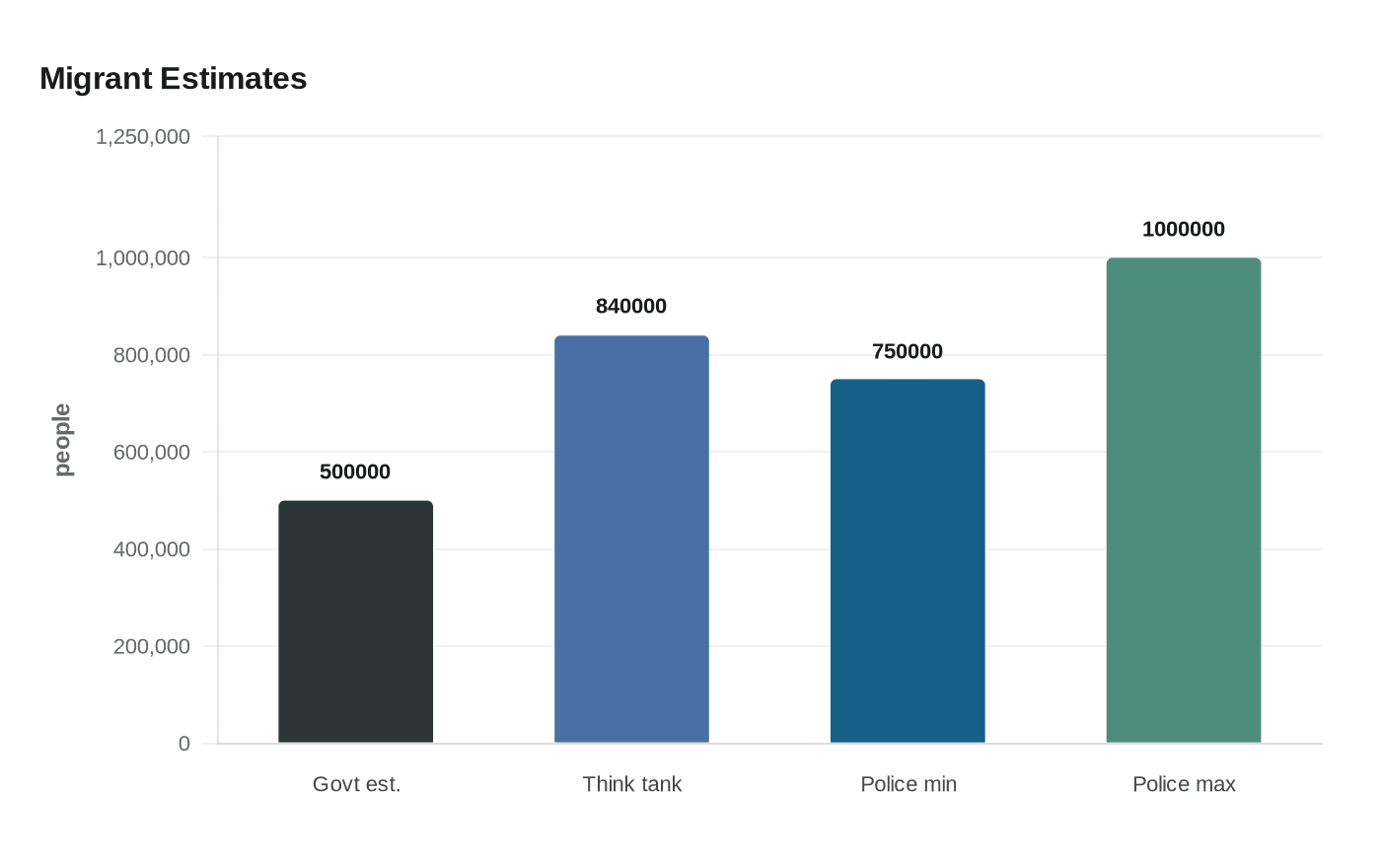
That spread underscored why the measure had become so sensitive. Supporters cast it as a pragmatic response to labor demand and to an underground workforce already woven into the Spanish economy. Opponents saw something else in the long lines: evidence of a legalization push that would be hard to administer cleanly and even harder to defend politically, especially as many European governments have been tightening their borders.
The composition of Spain’s undocumented population also helped explain the political stakes. Many migrants came from Latin America, especially Colombia and Venezuela, though sizable numbers also arrived from Africa and Asia. For Sánchez, regularization could bring more workers into the formal economy and give legal status to people already living and working in Spanish society. For critics, it raised the risk of encouraging further irregular migration while handing ammunition to rivals who want tougher enforcement.
Spain’s approach also set it apart from the broader European mood. While other major economies in the region leaned toward stricter immigration restrictions, Madrid was moving in the opposite direction. The contrast with President Donald Trump’s deportation-heavy posture in the United States made Spain a kind of European counterexample in the migration debate, and potentially a test case for whether regularization can be sold as both an economic fix and a political strategy.
This article was produced by Prism’s automated news system from verified source data, official records, and press releases, then run through automated quality and moderation checks before publishing. The system is built and supervised by the people who set the standards it runs under. Read our full AI policy.
Did this article answer your question?

