Spanish court investigates Zapatero in Plus Ultra bailout scandal
Spain’s National Court has summoned José Luis Rodríguez Zapatero over a €53 million Plus Ultra bailout, widening a case that now reaches the former prime minister’s office.

Spain’s National Court in Madrid has put José Luis Rodríguez Zapatero under formal scrutiny in a case that reaches into the country’s pandemic-era airline rescue program and the political orbit of one of its most prominent former leaders. Prosecutors are examining whether the 2021 bailout of Plus Ultra Líneas Aéreas, which received €53 million in state aid, was tied to influence peddling, money laundering and other crimes.
The court has summoned Zapatero to testify on June 2, while Spanish National Police searched his Madrid office and three other premises. Investigators are also reported to be widening the probe to include criminal organization and document falsification, reflecting the depth of the suspicions around the rescue of the little-known airline, which had Venezuelan links and was helped through COVID-19 recovery funds.
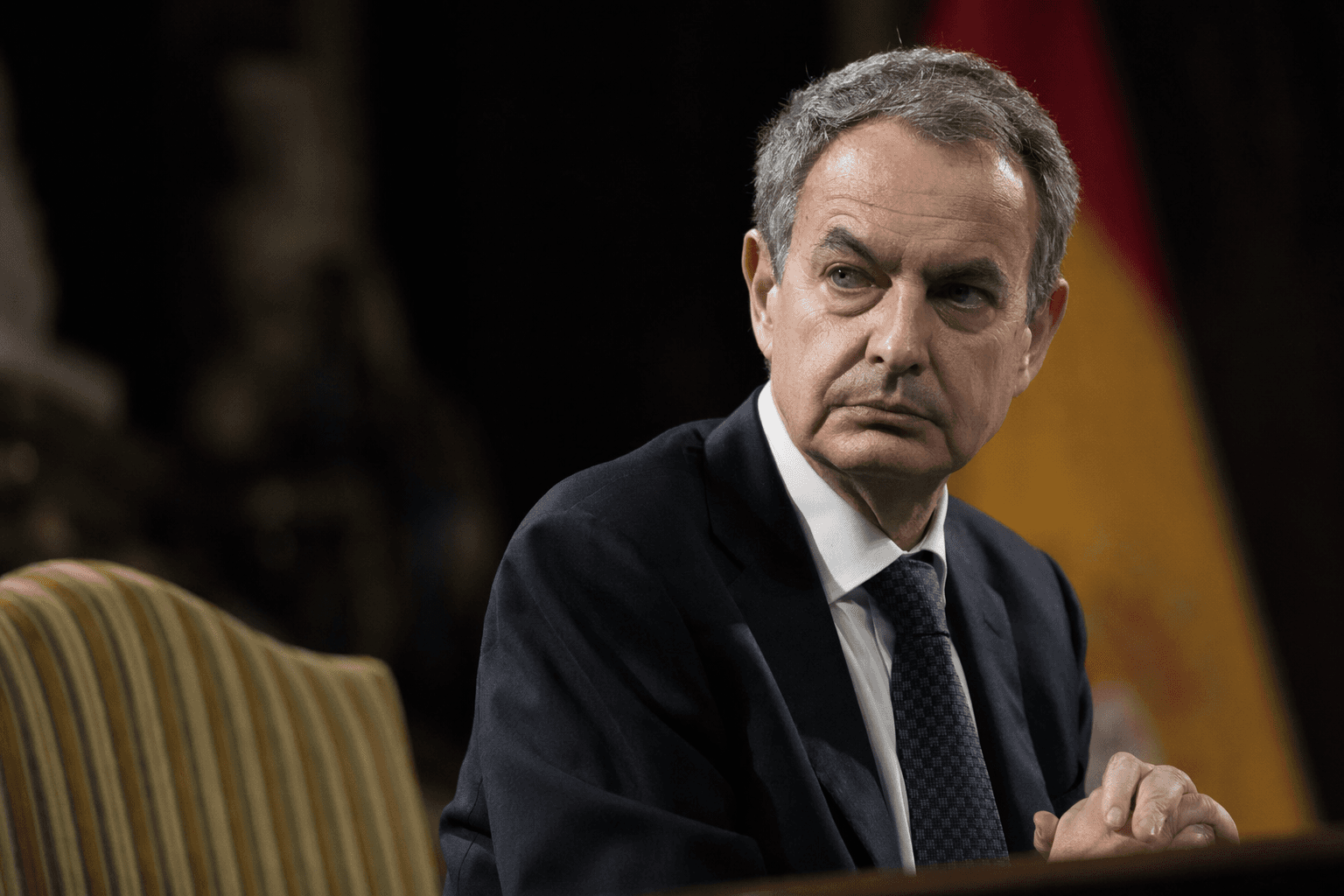
At the center of the case is the question of what influence peddling would mean here. In practical terms, it would suggest that Zapatero, or people in his circle, used political access or personal contacts to shape decisions around the bailout in a way that benefited Plus Ultra or its backers. Investigators reportedly suspect the rescue may have served as a channel to launder opaque funds from Venezuela, with allegations that irregular commissions could have been paid to people linked to the scheme. Zapatero has denied wrongdoing, but the court has already moved the matter from political rumor into formal judicial inquiry.
The case has taken on outsized importance because it is the first time in Spain’s democratic era that a former prime minister has been formally investigated in a corruption case. That alone makes the probe a test of how Spain handles allegations against former heads of government once they leave office, especially when the allegations involve public money, foreign-linked financing and the distribution of emergency state aid.
It also lands at a difficult moment for Pedro Sánchez. The Socialist prime minister is already under pressure from other corruption investigations involving family members and senior political allies, and the Zapatero case adds another layer of strain on a governing party that has tried to defend its record on transparency while pandemic funds remain politically sensitive. Plus Ultra’s rescue is no longer just a question of airline solvency; it has become a broader examination of whether Spain’s institutions can investigate power at the highest level without fear or favor.
Know something we missed? Have a correction or additional information?
Submit a Tip