Spirit Airlines shuts down after bailout failure, ending low-cost era
Spirit Airlines stopped flying after a failed bailout, exposing how $45 fares, baggage fees and debt left the low-cost carrier exposed.
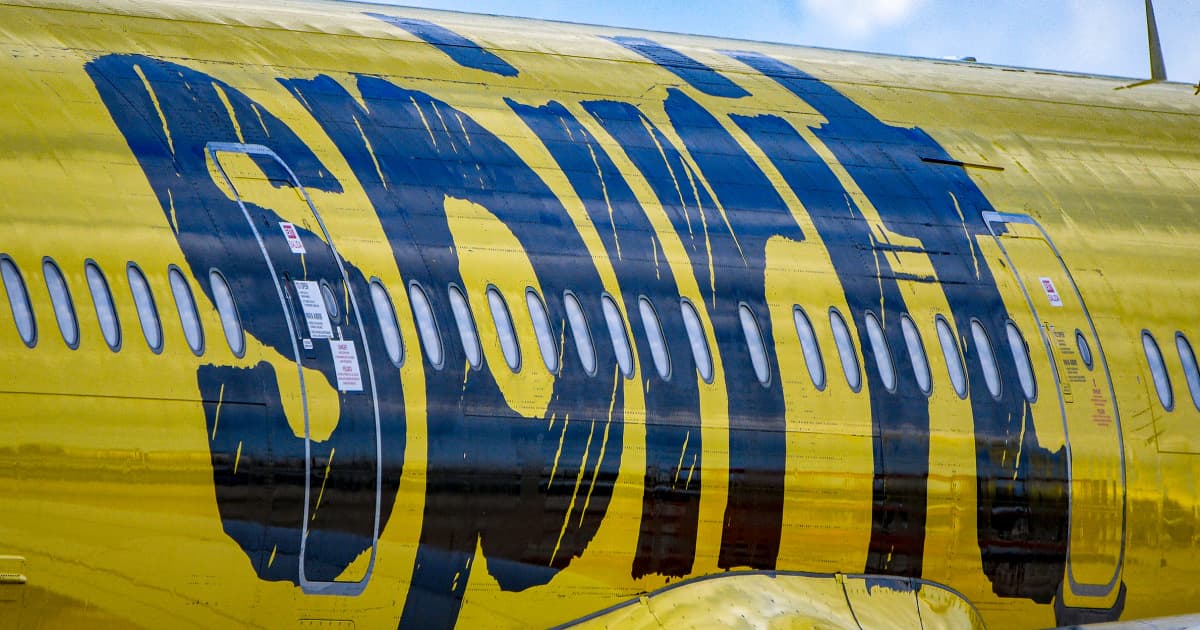
Spirit Airlines shut down on May 2 after failing to secure a $500 million federal bailout, ending a business model that made it famous for bargain fares and equally famous for add-on fees. The carrier had flown commercially since the early 1990s, charging for bottled water and stripping out comforts such as reclining seats, but the discount formula could not outrun years of losses, heavy debt and a worsening fuel bill tied to the Iran war.
The collapse came after a brutal stretch. Spirit first filed for Chapter 11 bankruptcy on November 18, 2024, becoming the first major U.S. carrier to do so since 2011. It later said a restructuring had cut about $795 million in debt and brought in a $350 million equity investment from existing investors, only for the airline to file again in August 2025. Reuters reported that Spirit had lost more than $2.5 billion since the start of 2020 by the time of its first bankruptcy filing.

In March 2025, Spirit tried to rewrite its own script, saying it would tilt toward more affluent travelers and estimating the shift could lift revenue per passenger by 13 percent. By then, though, the numbers were already turning against the airline. Reuters reported that in 2025 it cut almost 4,000 jobs and 200 underperforming routes, ending the year with about 7,500 employees. On the day it stopped flying, Spirit said it was beginning an orderly wind-down immediately. Transportation Secretary Sean Duffy said the carrier had been in dire straits long before the war and that its low-cost model was not working.
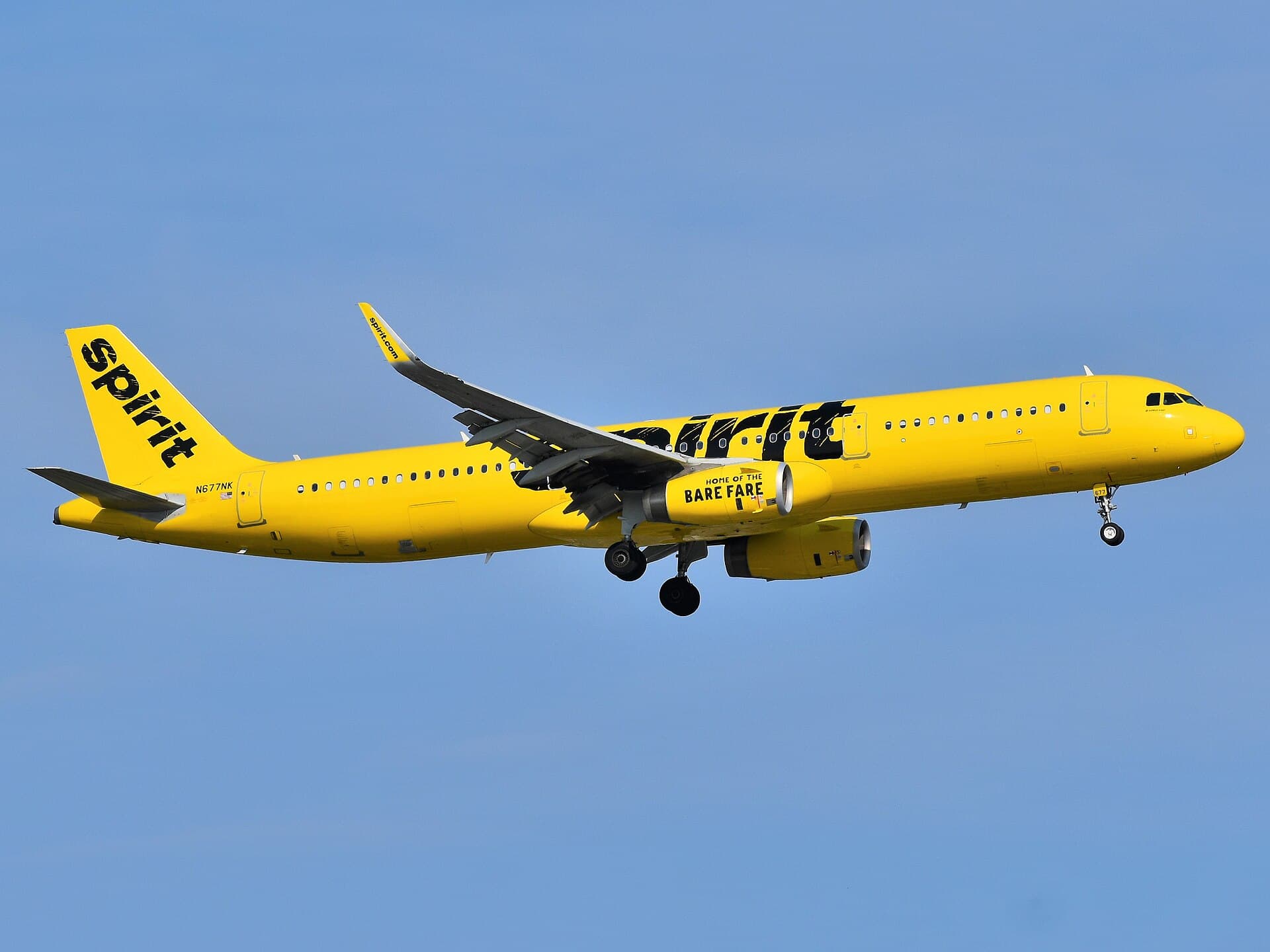
The shutdown also closed the book on one of the clearest examples of how fragile ultra-low-cost flying had become in the United States. In January 2024, a federal court ruled that JetBlue’s proposed purchase of Spirit was unlawful under antitrust law, saying the deal would hurt cost-conscious travelers who depended on Spirit’s low fares. After Spirit’s shutdown, Frontier, JetBlue, Southwest, Delta and American all moved quickly with discount fares or lower prices on some routes, a sign that the market Spirit helped build did not disappear with it.
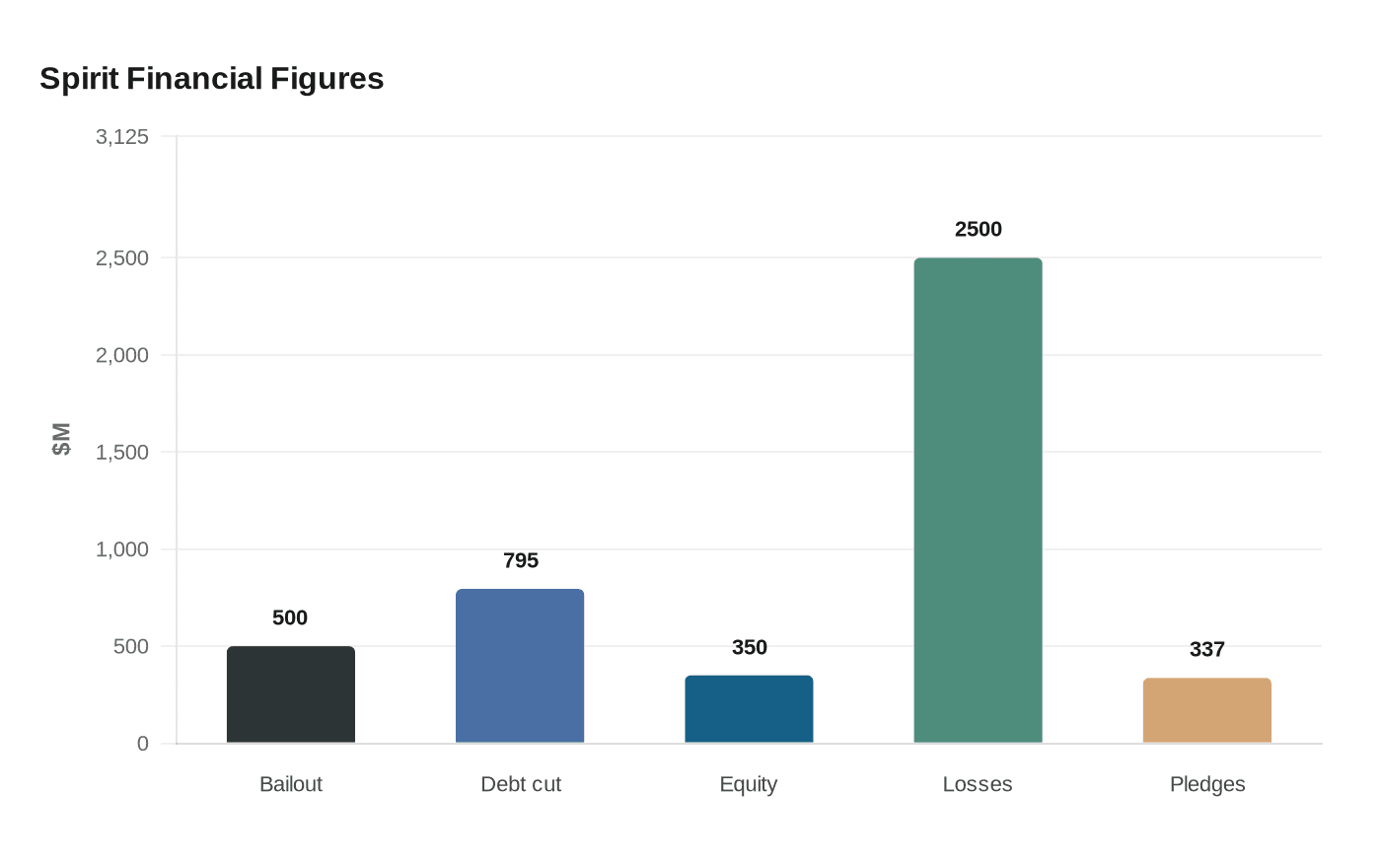
That tension between public enthusiasm and financial reality was on display as the airline faltered. Hunter Peterson, a 22-year-old voice actor and content creator, posted a proposal to buy Spirit by asking Americans to each pitch in $45, roughly the price of a cheap Spirit ticket. He said the campaign drew more than 5 million shares and more than 530,000 owners, and that it had gathered $337 million in pledges from more than 370,000 verified people. But as experts noted, an airline is not a small business or a meme stock. It sits on aircraft liens, airport leases, lender claims and union contracts, which is why the end of Spirit looked less like an internet stunt than a warning about how hard it has become to make bare-bones flying pay in America.
This article was produced by Prism’s automated news system from verified source data, official records, and press releases, then run through automated quality and moderation checks before publishing. The system is built and supervised by the people who set the standards it runs under. Read our full AI policy.
Did this article answer your question?

