Spirit Airlines shuts down, tickets canceled, refunds and rebooking explained
Spirit has stopped flying, but many direct-card buyers should see automatic refunds while rival airlines rush out rescue fares and capped one-way deals.
What to do first if you had a Spirit flight
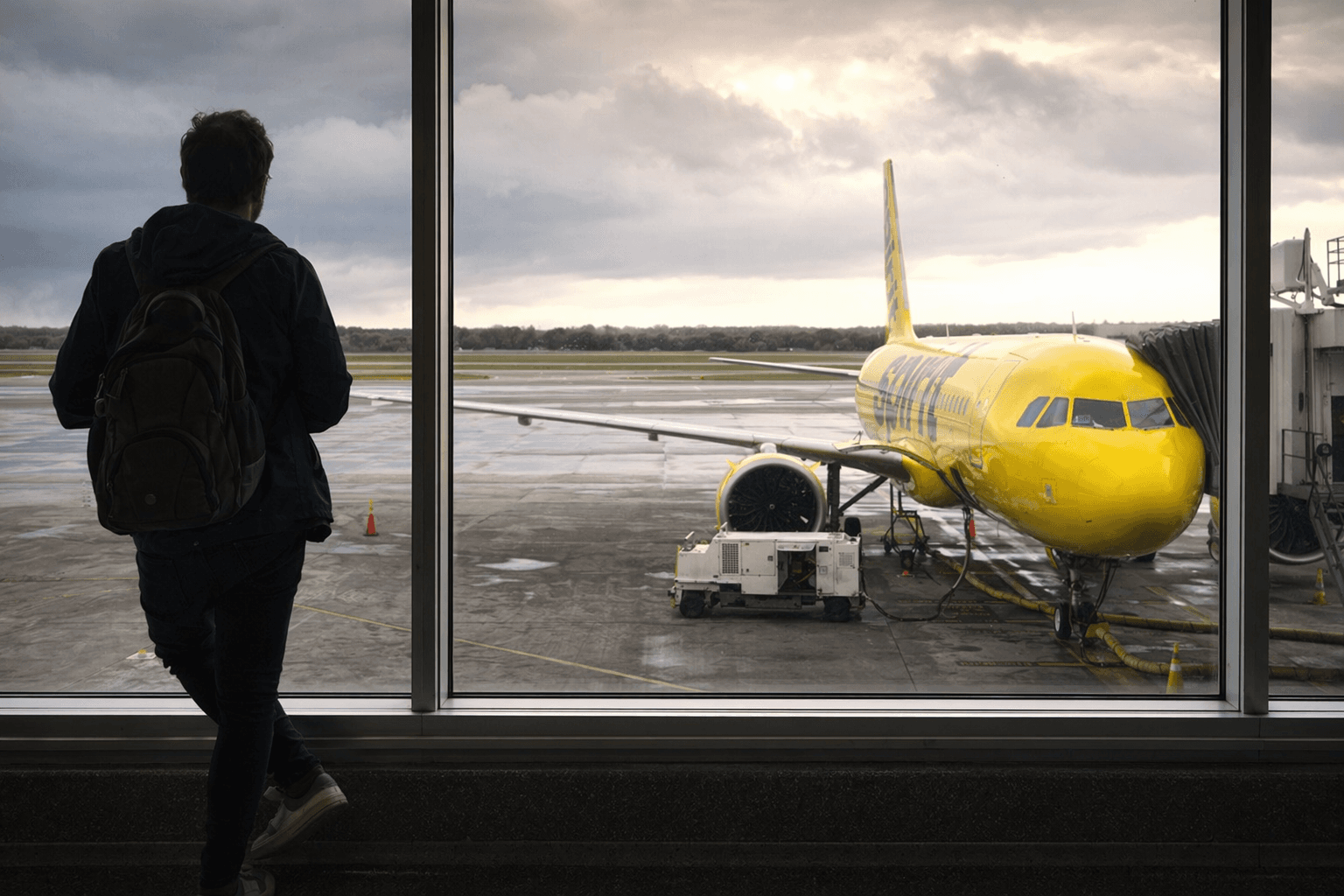
If you were booked on Spirit Airlines, the immediate step is simple: do not go to the airport. Spirit said it began an orderly wind-down of operations effective immediately on May 2, 2026, canceled all flights, and told passengers to stay away from the terminal. That means there is no point in checking in, waiting at the gate, or trying to salvage the trip at the airport counter.
The next move depends on how you paid. Spirit said tickets bought directly with a credit or debit card will be automatically refunded to the original form of payment. If you booked through a travel agent, you need to go back to that agency for the refund. If your reservation was paid with vouchers, credits, or Free Spirit points, the value of that booking will be sorted out later through the bankruptcy process, and those balances may end up being worth very little in practice.
How refunds are supposed to work
Spirit’s refund plan is clearest for passengers who bought directly from the airline with a card. Those customers are supposed to receive money back automatically, without needing to file a separate claim first. U.S. Transportation Secretary Sean Duffy said Spirit had a reserve fund for those direct purchasers, which gives those refunds a better chance of moving quickly.
The rules are different if a third party handled the booking. Travelers who used a travel agent have to seek reimbursement from the original point of sale, not from Spirit. That distinction matters because many budget trips are packaged through online travel agencies or outside booking sites, and the refund path follows the merchant that actually took the payment.
For anyone holding vouchers, credits, or loyalty points, the uncertainty is much greater. Spirit said those claims would be handled later in bankruptcy, and travel experts have warned that loyalty balances in airline failures can shrink to little or nothing. In practical terms, the smartest assumption is that cash refunds are the only payment type with a relatively straightforward path back.
Rebooking: what help is available, and what is not
Spirit said it would not help passengers book on other airlines. That leaves stranded travelers to find replacement seats on their own, which is why the industry response matters so much. Several carriers moved quickly to offer temporary rescue fares or capped pricing for Spirit customers and displaced workers.
United Airlines, Delta Air Lines, JetBlue Airways, Southwest Airlines, Frontier Airlines, and American Airlines all announced some form of support. Duffy said United, Delta, JetBlue, and Southwest were offering $200 one-way flights for travelers who could show Spirit confirmation numbers and proof of purchase for a limited time. JetBlue said it would cap some fares at $99 one-way for affected travelers for a short window. Frontier said it would offer systemwide rescue fare discounts and a $199 GoWild All-You-Can-Fly Summer Pass to Spirit customers. American said it was prepared to help both Spirit passengers and team members.
Those deals are useful, but they are not the same as a guaranteed rebooking. They are limited-time offers, and they depend on seat inventory, route availability, and the documentation you can produce. If your trip is time-sensitive, move fast: check rival airlines, compare the rescue fares against normal one-way pricing, and make sure you understand whether the offer applies to your exact route or only to select markets.
Why Spirit shut down now
Spirit said the wind-down came after restructuring efforts and a search for additional funding failed. The airline blamed a recent jump in oil prices and other business pressures, and said it had no additional funding available and no choice but to stop. Management also pointed to higher fuel costs tied to the war with Iran, while Duffy argued Spirit was already in deep trouble long before that because its low-cost model was not working.
The company had been here before. Spirit Aviation Holdings filed for Chapter 11 bankruptcy on August 29, 2025, after an earlier bankruptcy cycle in late 2024. The airline said it had been operating for more than 30 years, but years of weak finances, repeated restructuring attempts, and pressure on its fare model finally caught up with it. The company also said its bankruptcy materials and court documents were available through a dedicated restructuring site and the Epiq case portal.
The size of the disruption
This is more than one airline leaving the market. Spirit said it employed about 17,000 people before the shutdown, though later 2025 cuts reduced the year-end workforce to roughly 7,500. Those cuts included almost 4,000 jobs and 200 underperforming routes in 2025, a sign that the carrier had already been shrinking before the final collapse. Spirit also said it was working to get more than 1,300 crew members back to their home bases.
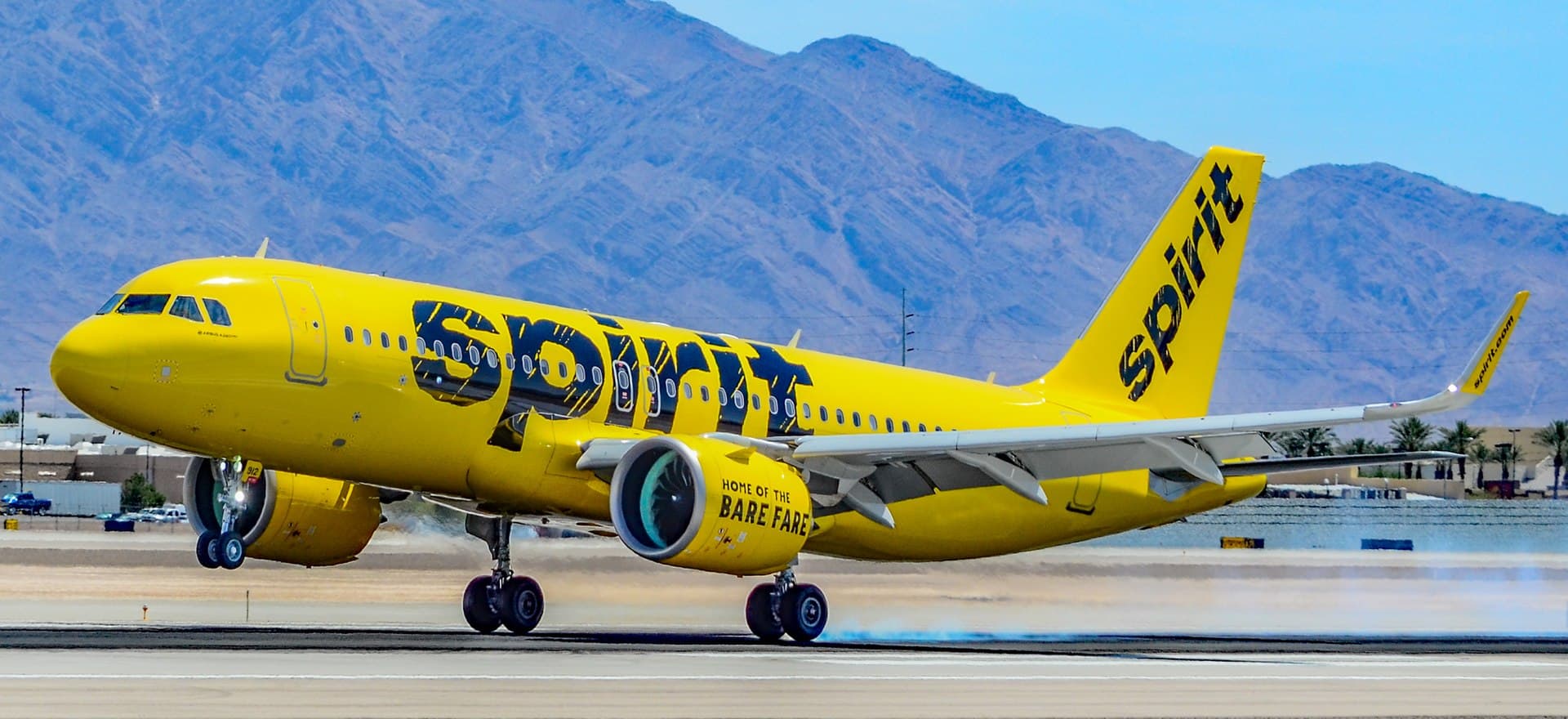
Its final flight reportedly landed at Dallas-Fort Worth International Airport, closing the operational chapter on a carrier once known for bright yellow planes, rock-bottom base fares, and a long menu of extra fees. The airline had major operations in New York, Miami, Detroit, and Los Angeles, along with routes to Latin America and the Caribbean. That network mattered because Spirit was often the cheapest option on leisure and immigrant-travel corridors where price sensitivity is high and alternatives can be limited.
What Spirit’s exit means for budget travel
The loss of Spirit removes a major pressure valve from U.S. airfare competition. Ultra-low-cost carriers force bigger airlines to match prices on some routes, especially where Spirit had built a strong presence. When that competitor disappears, the first signs often show up in the form of fewer cheap seats, higher last-minute fares, and less aggressive pricing on routes with strong vacation demand.
The biggest risk is on dense leisure corridors and markets where Spirit had carried a large share of budget travelers. Routes touching Florida, Southern California, Detroit, New York, and international leisure destinations in the Caribbean and Latin America are especially vulnerable to fare increases because those travelers often have limited flexibility and few low-cost substitutes. Even if other airlines add capacity, replacement seats usually do not arrive at Spirit’s old price point.
Over time, the broader market effect could be simpler and more expensive flying for everyone at the bottom end of the fare ladder. Spirit’s exit leaves fewer ultra-cheap options, weaker competition on some point-to-point routes, and a stronger hand for airlines that still control the remaining low-fare inventory. For travelers, the message is clear: secure refunds quickly, compare rescue fares immediately, and expect the budget-airfare market to tighten now that one of its most aggressive discounters is gone.
Sources:
Know something we missed? Have a correction or additional information?
Submit a Tip