Sri Lanka Repatriates 238 Iranian Crew After Deadly US Attack
Sri Lanka sent 238 Iranian sailors home after a U.S. submarine torpedoed IRIS Dena, killing 104 and jolting regional diplomacy.
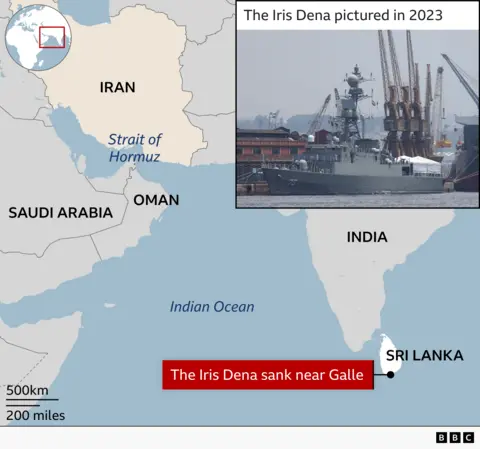
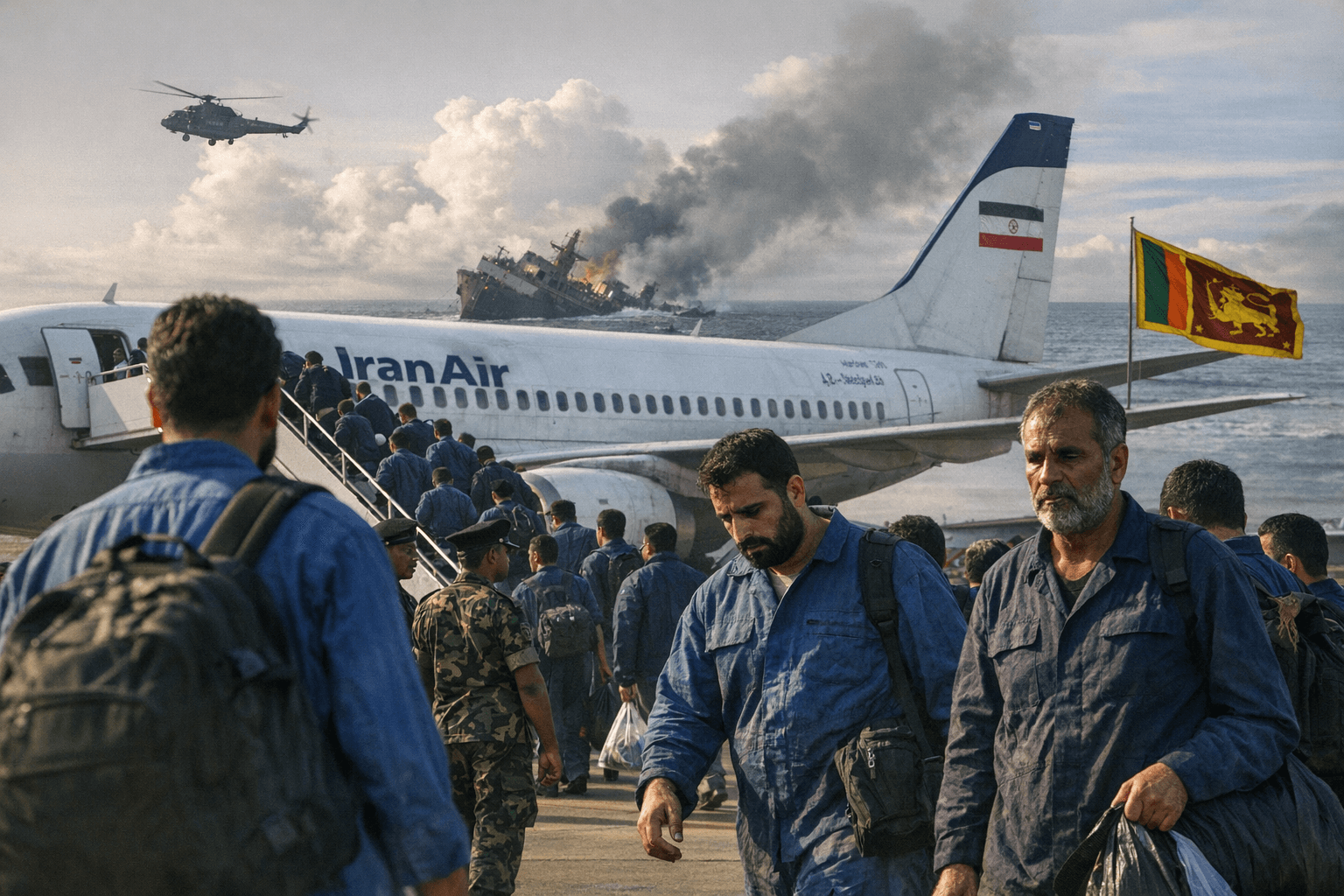
Sri Lanka sent 238 Iranian sailors home on a special flight Tuesday, closing a tense chapter that began when a U.S. submarine torpedoed the warship IRIS Dena off the island’s southern coast and killed 104 people.
The return flight carried 32 crew members rescued from IRIS Dena and 206 others from the Iranian vessel IRIS Bushehr, which had also been stranded in Sri Lanka after the March 4 attack. Sri Lankan officials said some Bushehr crew members remained behind to operate the ship, which was anchored off Trincomalee, while the rest were cleared to leave after weeks of diplomatic coordination.
Iran had already arranged a chartered plane to take back the bodies of 84 crew members killed in the strike. The deadliest blast on the vessels has deepened anger in Tehran and sharpened pressure on Colombo, which found itself managing both the humanitarian fallout and the geopolitical shock of an attack that pushed the Middle East confrontation into the Indian Ocean.
The vessel had been returning from a naval exercise organized by India when it was hit in waters about 20 nautical miles south of Galle, according to Sri Lanka Navy accounts and reporting citing U.S. and Sri Lankan sources. Iranian officials said IRIS Dena had taken part in the MILAN 2026 naval exercise and in an international fleet review in India, underscoring how the ship’s mission had shifted from routine military diplomacy to a battlefield loss far from home.
The attack drew attention around the world because reports described it as the first sinking of a warship by a submarine using a torpedo since World War II. For Sri Lanka, the strike created a difficult balancing act with both Iran and the United States, while India also faced scrutiny because the ship had been in the region for an Indian-organized exercise when it was hit.
Iranian Army chief Amir Hatami condemned the killings on March 14, saying they “will not go unanswered.” Iranian ambassador to Sri Lanka, Alireza Delkhosh, said IRIS Dena had come to Sri Lanka at the invitation of Sri Lankan authorities and that no U.S. warning had been given before the attack.
President Anura Kumara Dissanayake said Sri Lanka had protected the Bushehr crew on humanitarian grounds in line with the 1907 Hague Convention. That decision, and Tuesday’s repatriation, reflected how the episode extended well beyond rescue and recovery, turning a deadly maritime strike into an ongoing test of crisis management among Sri Lanka, Iran, India and Washington.
This article was produced by Prism’s automated news system from verified source data, official records, and press releases, then run through automated quality and moderation checks before publishing. The system is built and supervised by the people who set the standards it runs under. Read our full AI policy.
Did this article answer your question?


