Sri Lanka’s elephant conflict deepens as farmer deaths rise
Sri Lanka's elephant toll is rising fast: 4,400 wild elephants share farming districts as farmer deaths and illegal killings climb together.
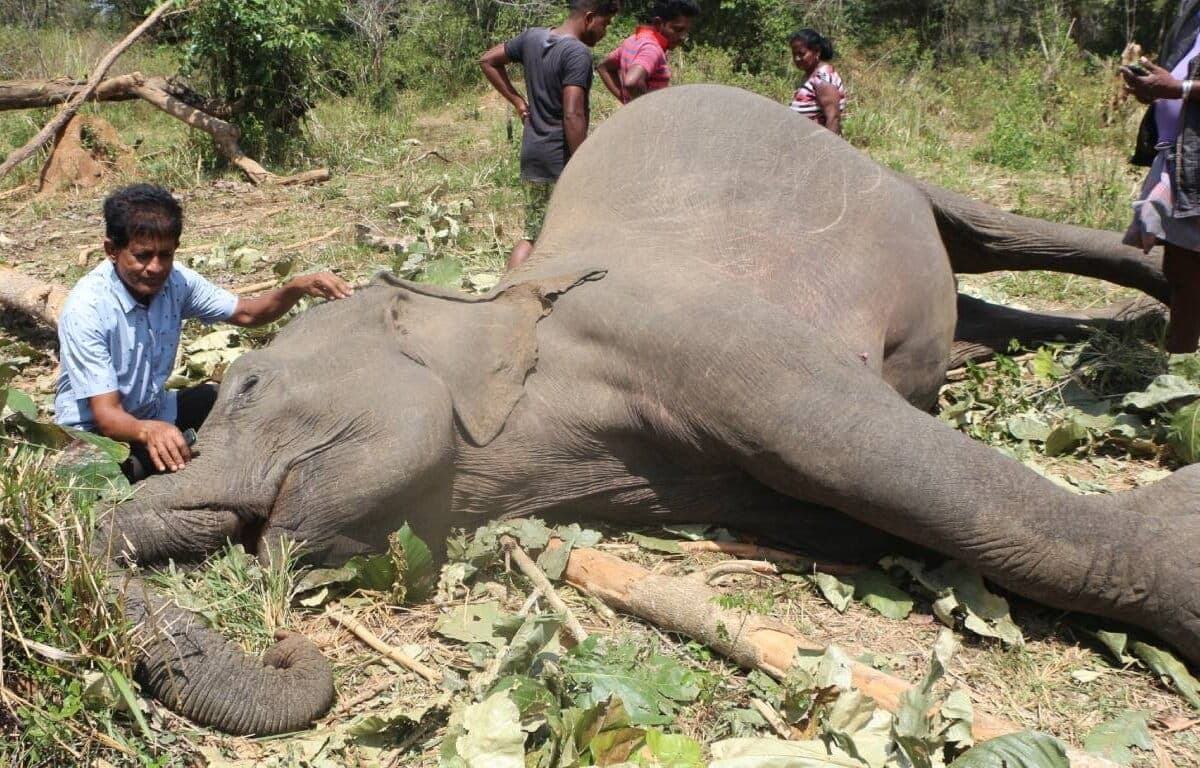
Sri Lanka’s elephant crisis has become a test of land policy, rural compensation and the state’s ability to protect both livelihoods and wildlife. With about 4,400 wild elephants, roughly 10% of the world’s wild Asian elephant population, the island has been forced to confront a collision between conservation ideals and the daily economics of farming.
The roots run deep. Researchers say centuries of coexistence gave way to sharper conflict during the colonial period, when plantations, railways and roads cut through migration routes. After independence, population growth, urbanization, habitat loss and agricultural expansion pushed people and elephants into even tighter overlap. The Wildlife and Nature Protection Society says the crisis has been building for more than 50 years, while farmers in districts such as Anuradhapura, Monaragala, Polonnaruwa and Hambantota say they are left to absorb crop losses and failed harvests with too little compensation.
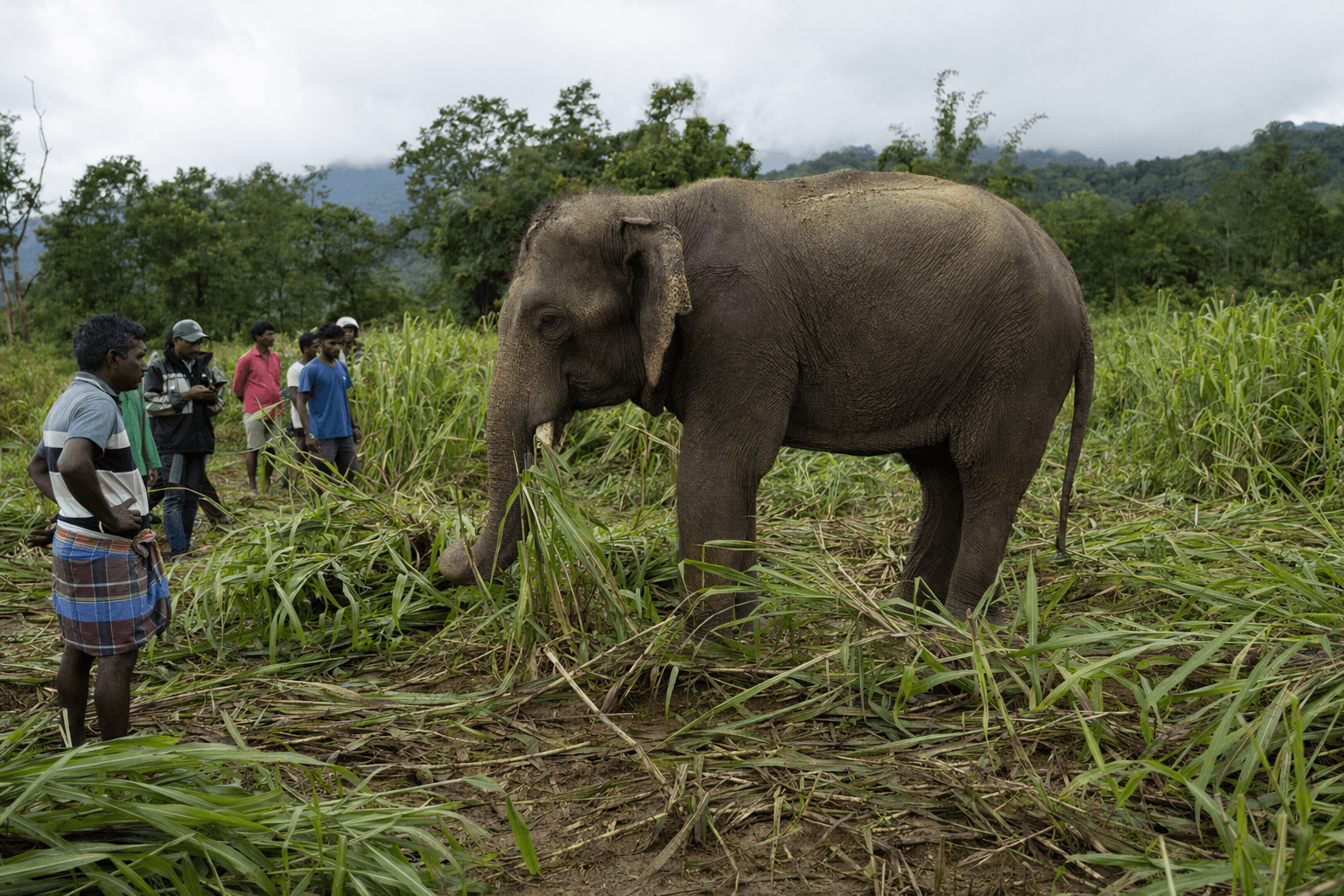
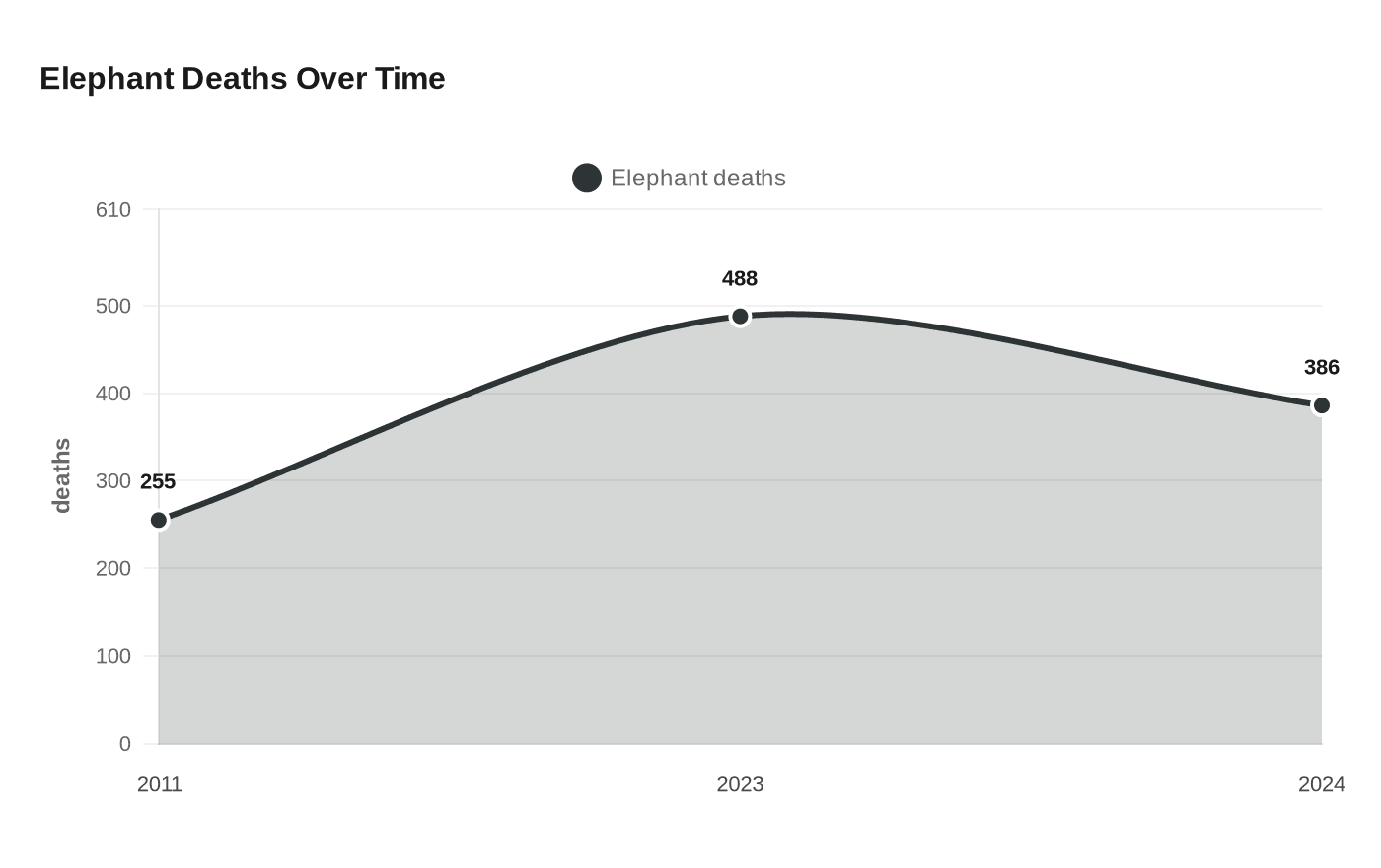
The scale is severe by global standards. Sri Lanka has been identified as the country with the highest annual elephant deaths and the second-highest human deaths from human-elephant conflict. A review covering 2015 to 2024 counted more than 3,484 elephant deaths and 1,195 human deaths. Since 2019, the annual average has been about 125 human deaths and 370 elephant deaths. Wildlife authority data also show the trend worsening over time, with elephant deaths rising from 255 in 2011 to 488 in 2023, while attacks on farmers more than tripled from 60 to 188 over the same period.
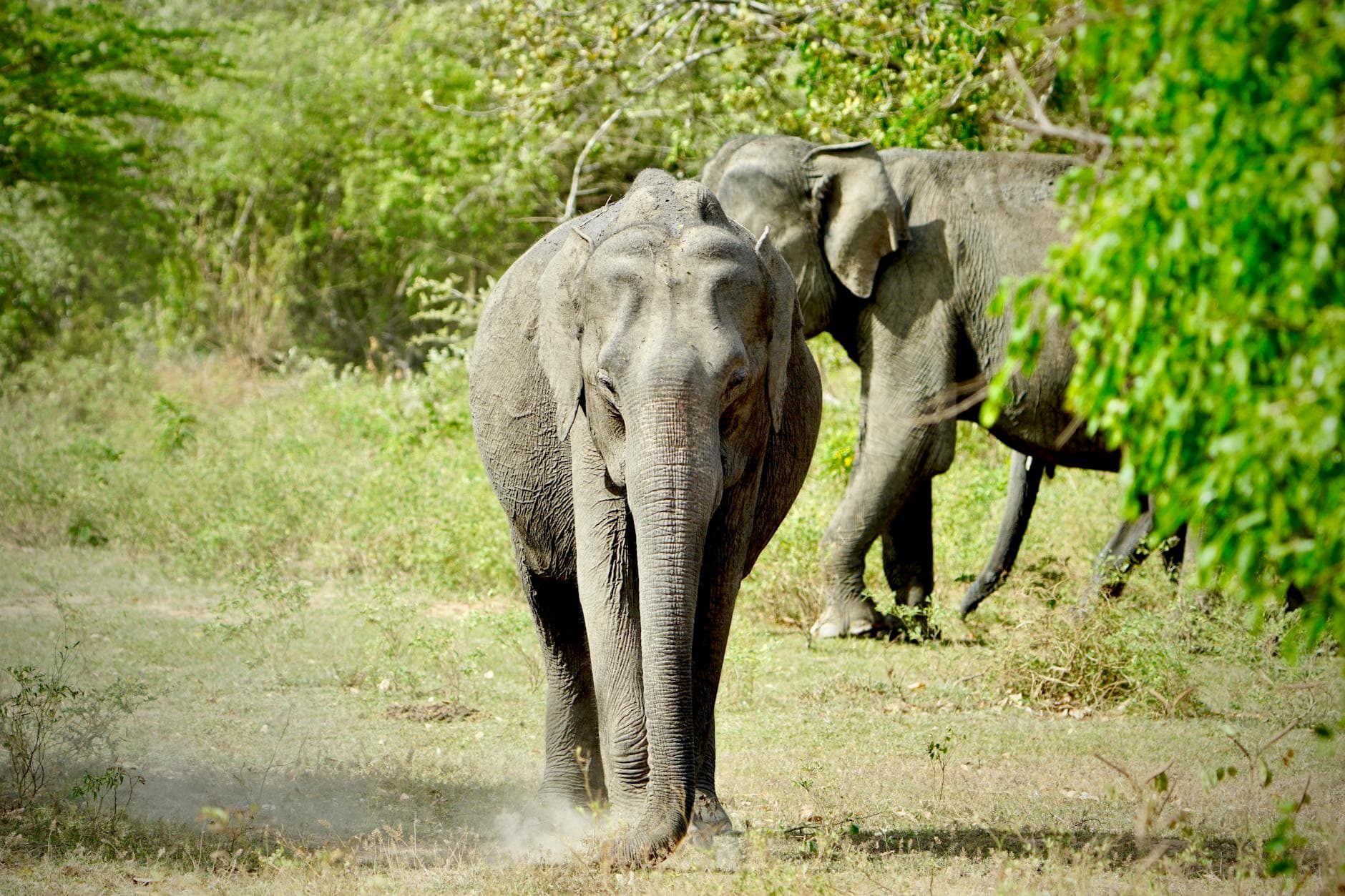
The violence has not been evenly spread. Sri Lanka recorded at least one elephant death a day in the first quarter of 2023, and nearly half were blamed on human causes. In 2024, a summary of Wildlife Conservation Department data reported 386 elephant deaths, including 81 gunshot killings, 56 electrocutions and 51 deaths from explosive devices known as hakka patas. The same year, 154 people were killed in elephant encounters. In the seven months leading up to July 30, 2025, 20 of the 77 human deaths caused by elephant attacks were reported from the Polonnaruwa Wildlife Zone.
Conservation officials say the killing is often brutal and illegal, but many farmers say they are being driven toward increasingly lethal self-defense because normal deterrence has failed. Poorly built or illegally installed electric fences can become deadly traps instead of barriers, and experts warn that the worst of the killing often targets tuskers and strong males, skewing the sex ratio and threatening the herd’s genetic health. Sri Lanka’s challenge is no longer simply how to save elephants, but how to stop rural communities from bearing the cost of conservation alone.
This article was produced by Prism’s automated news system from verified source data, official records, and press releases, then run through automated quality and moderation checks before publishing. The system is built and supervised by the people who set the standards it runs under. Read our full AI policy.
Did this article answer your question?


