St Lucia Voters Decide Economy and Citizenship Programmes as Veteran Seeks Return
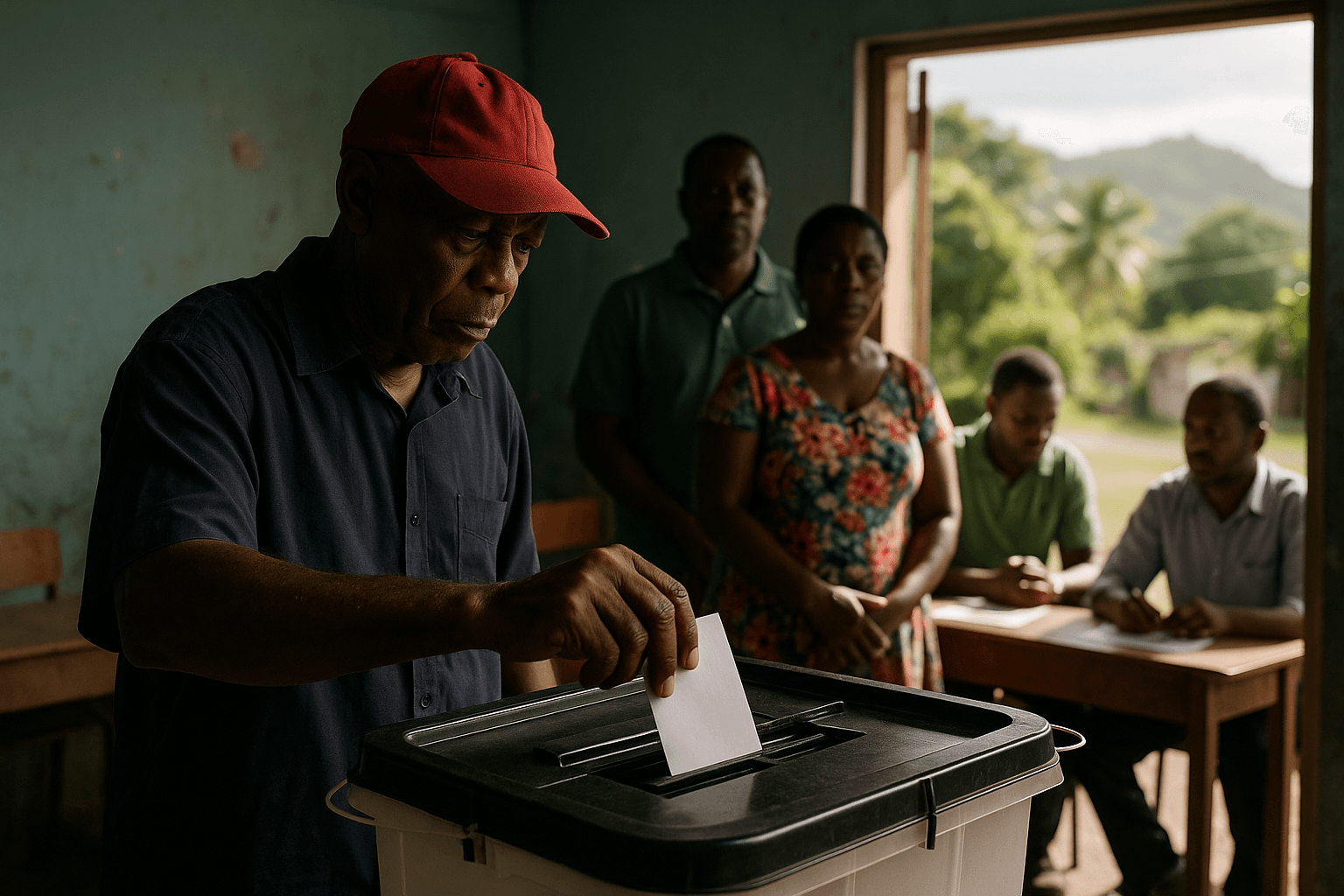
Voters in Saint Lucia are casting ballots on December 1 to choose a legislature and a prime minister in a closely watched contest centered on the economy, crime and passport for investment programmes. The outcome will shape fiscal policy, foreign investment flows and regional political dynamics for the island of roughly 180,000 people.

Voters in Saint Lucia are heading to the polls today to elect the 17 members of the House of Assembly and determine whether incumbent Prime Minister Philip Joseph Pierre will keep his post or yield to former prime minister Allen Chastanet. The campaign has been dominated by debates over the island economy, rising crime concerns and the future of citizenship by investment programmes that have become an important source of revenue for small Caribbean states.
The Labour Party led by Prime Minister Pierre has sought to preserve a sizeable parliamentary majority after winning office in 2021. The opposition United Workers Party under Allen Chastanet is campaigning on a platform of conservative economic management and changes to the passport for investment system. For voters, the choice is framed as a decision about short term incomes and the island's strategic economic direction over the next parliamentary term.
Saint Lucia’s economy remains heavily dependent on services linked to tourism and personal remittances, making it vulnerable to global demand swings. With a population of about 180,000, fiscal room for manoeuvre is limited. Citizenship by investment programmes have provided a relatively quick source of foreign currency and government receipts, but they have also drawn scrutiny over transparency, pricing pressure in the property market and regulatory risks that could influence banking and real estate sectors.
Analysts and party officials have signaled that turnout will be watched closely as an indicator of public confidence and the electorate’s appetite for policy continuity. A decisive victory for either side will guide immediate policy levers, from public spending and tax choices to how tightly the state manages the citizenship programme. A shift in policy could affect investor sentiment toward property and hospitality projects on the island and influence expectations for credit conditions and insurance costs.
Beyond domestic economics, the election has regional implications. Political changes in Caribbean states can alter multilateral cooperation on financial regulation and anti money laundering standards where citizenship investments intersect with cross border capital flows. A new administration could seek to revisit bilateral investor relations or pursue different stances within Caribbean Community economic forums, affecting investor perceptions across a cluster of small economies.
Logistics for the vote reflect Saint Lucia’s compact geography, with polling stations operating across urban and rural districts. Officials and observers are expected to evaluate both the turnout rate and the efficiency of the count as immediate signals of institutional resilience. The result will determine control of the 17 seat legislature and set the policy agenda on fiscal management, crime reduction strategies and the future role of passport for investment programmes.
For markets and residents alike, the election will clarify near term policy priorities and the island’s approach to attracting capital while balancing social and regulatory concerns. In a country with limited fiscal buffers, the choices made at the ballot box could reverberate through the economy for years.
This article was produced by Prism’s automated news system from verified source data, official records, and press releases, then run through automated quality and moderation checks before publishing. The system is built and supervised by the people who set the standards it runs under. Read our full AI policy.
Did this article answer your question?


