Stage IV breast cancer survivor finds hope after brain tumor diagnosis
After freezing embryos and beating stage II breast cancer, Maralee Lellio faced a brain tumor that left her unable to walk and fearing she would never meet her second child.
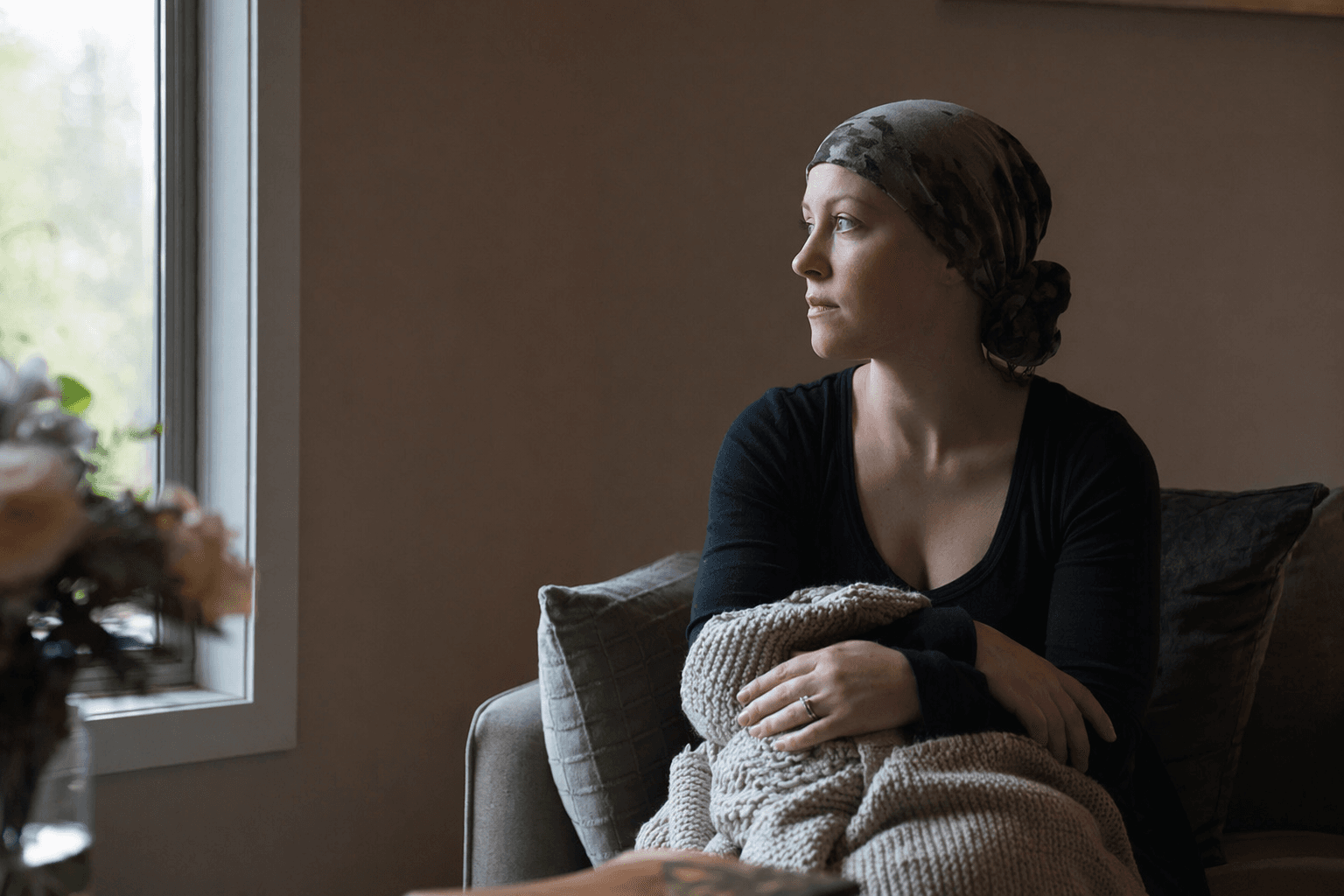
Maralee Lellio thought she had cleared the hardest hurdle when doctors declared her cancer-free in September 2019. Instead, the stage II breast cancer she was diagnosed with at 29 came back as stage IV disease, and an MRI in the summer of 2020 showed a very large brain tumor after worsening headaches and dizziness turned into incapacitating pain.
Before chemotherapy began, Lellio and her husband froze embryos, a step that reflected how closely fertility and cancer treatment were already linked in her life. She underwent a double mastectomy, then started IVF after finishing treatment, hoping to build the large family she had always wanted. The diagnosis had first arrived when she was young, but the recurrence pushed those plans into a far more fragile place, with survival and parenthood suddenly competing for the same future.
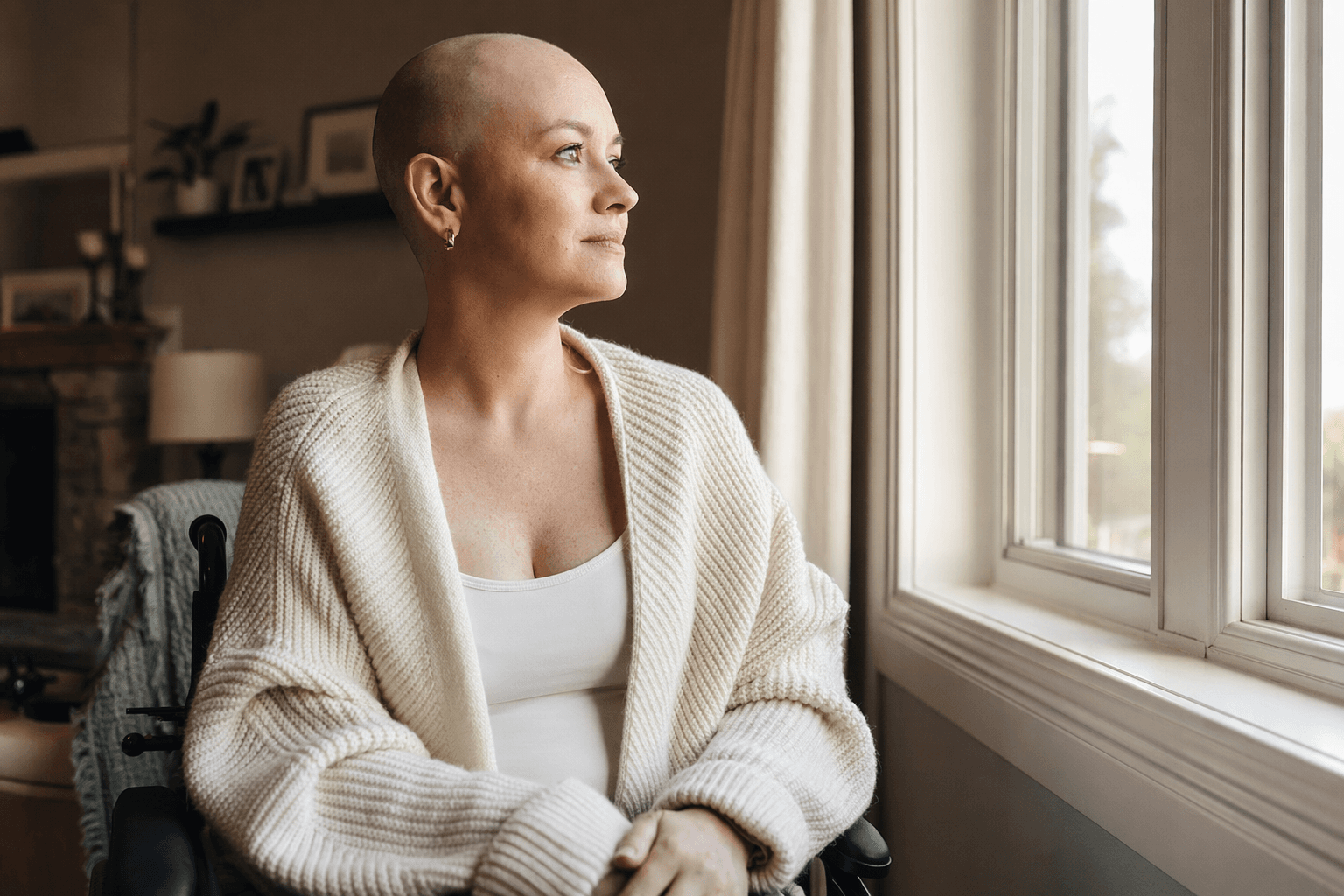
When the headaches and dizziness became severe, a telehealth doctor told her to go to the emergency room. There, the MRI revealed that the breast cancer had returned and spread to her brain. Lellio underwent a craniotomy, but the tumor grew back larger than before. Her original oncologist eventually recommended the Cleveland Clinic in Cleveland, Ohio, where she transferred care and began radiation.
The treatment took a heavy toll. Lellio’s seizures worsened, and she became unable to walk. She said she accepted that she was dying and would not see her daughter, Ayla, grow up or have the second baby she had long dreamed of. Then her husband overheard her telling a friend those thoughts on the phone and told her he believed she could survive this. In a disease that can strip away time, mobility and certainty all at once, that moment became a lifeline.
Lellio’s experience reflects the reality of metastatic breast cancer, which specialists say is breast cancer that has spread outside the breast to places including the brain, lungs, liver or bones. The condition is generally considered incurable once it spreads, and the National Breast Cancer Foundation says stage 4 breast cancer is not curable, with about 1 in 3 patients living more than five years. Susan G. Komen and the American Cancer Society also note that survival is lower for stage III and IV breast cancers than for earlier stages.
The case also underscores how modern cancer care intersects with fertility decisions and long-term planning. Freezing embryos or eggs, a process called cryopreservation, is a standard fertility-preservation option for some patients before breast cancer treatment begins. For some cancers with BRCA gene mutations, targeted therapies such as PARP inhibitors may also be part of care. For patients like Lellio, the challenge is not only fighting cancer, but navigating the medical, financial and family tradeoffs that come with trying to survive long enough to keep building a life.
This article was produced by Prism’s automated news system from verified source data, official records, and press releases, then run through automated quality and moderation checks before publishing. The system is built and supervised by the people who set the standards it runs under. Read our full AI policy.
Did this article answer your question?