Starmer chairs crisis talks as UK plans for food and fuel shortages
Ministers planned for a Strait of Hormuz shutdown that could slash CO2 supplies to 18% and threaten chicken, pork, fuel and even vaccines.

Britain’s domestic vulnerability now sits at the center of Whitehall’s Iran planning. Ministers have been meeting twice a week to track stock levels and supply-chain disruption, while Sir Keir Starmer prepared to chair another Cabinet committee session on Tuesday as officials tested what a prolonged shutdown of the Strait of Hormuz would mean for households, hospitals and industry.
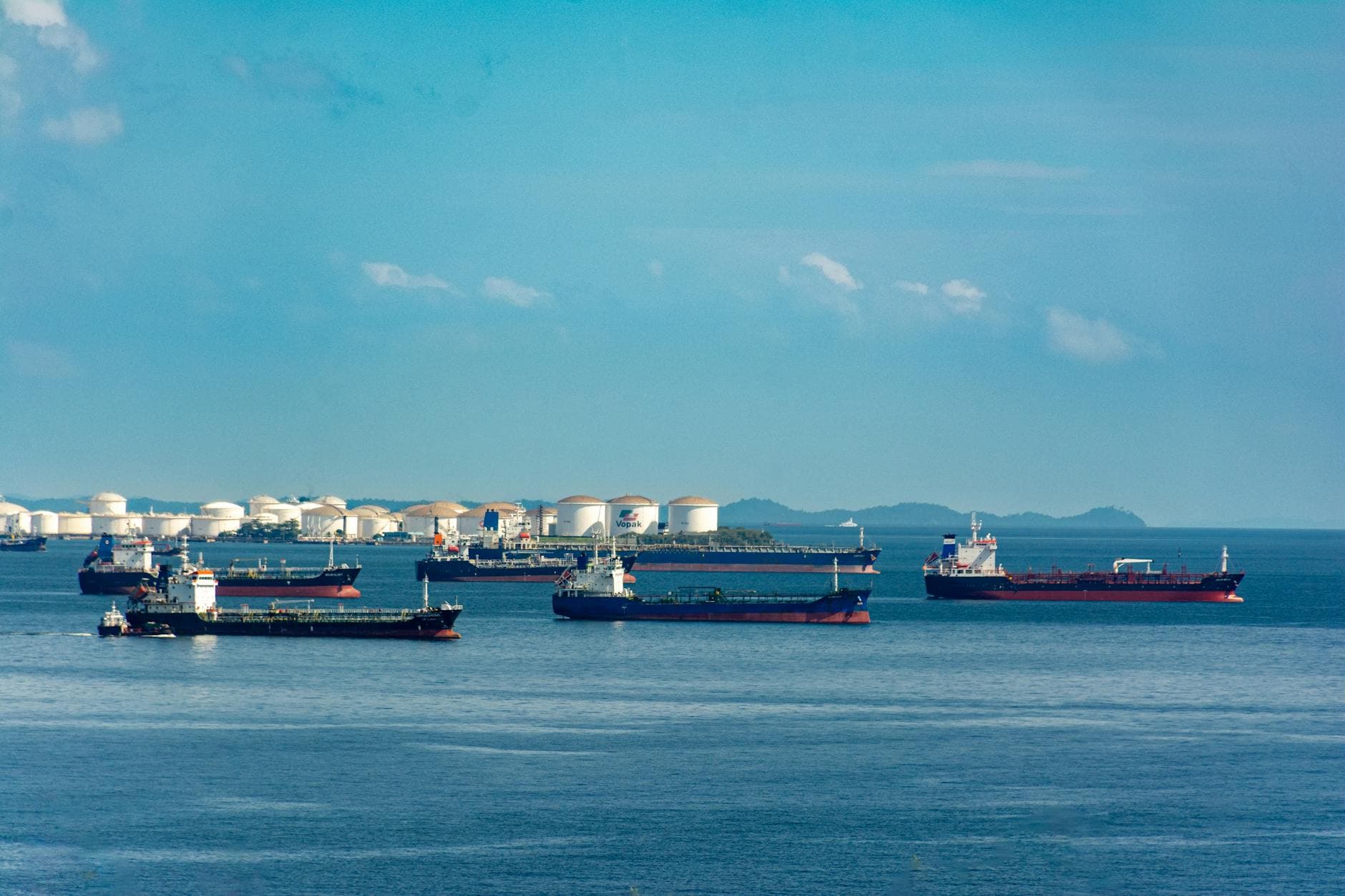
The Strait normally carries about 20% of the world’s oil and liquid natural gas, making any closure a direct test of Britain’s exposure to a Middle East shock. Government planning has included a worst-case scenario in which the waterway stays shut until mid-June, leaving ministers to map not only fuel risks but also shortages in food and medical supplies.
The sharpest warning came in a leaked contingency exercise codenamed Exercise Turnstone, coordinated through Cobra and involving senior officials from No 10, the Treasury, the Ministry of Defence and other departments. The exercise examined food, fuel and carbon dioxide supplies, with officials warning that CO2 shortages could cut across slaughterhouses, food preservation and carbonated drinks. In the most severe scenario, CO2 supplies could fall to 18% of current levels.
That matters far beyond fizzy drinks. CO2 is used in slaughtering pigs and chickens, extending the shelf life of food, and producing dry ice. Officials warned that dry ice shortages could hit blood supplies, organs and vaccines, and planning has included prioritising healthcare and civil nuclear needs if supplies tighten further. The government has already funded the restart of the Ensus bioethanol plant in Teesside to help shore up CO2 output, and the company says it is confident it can keep producing for the foreseeable future.
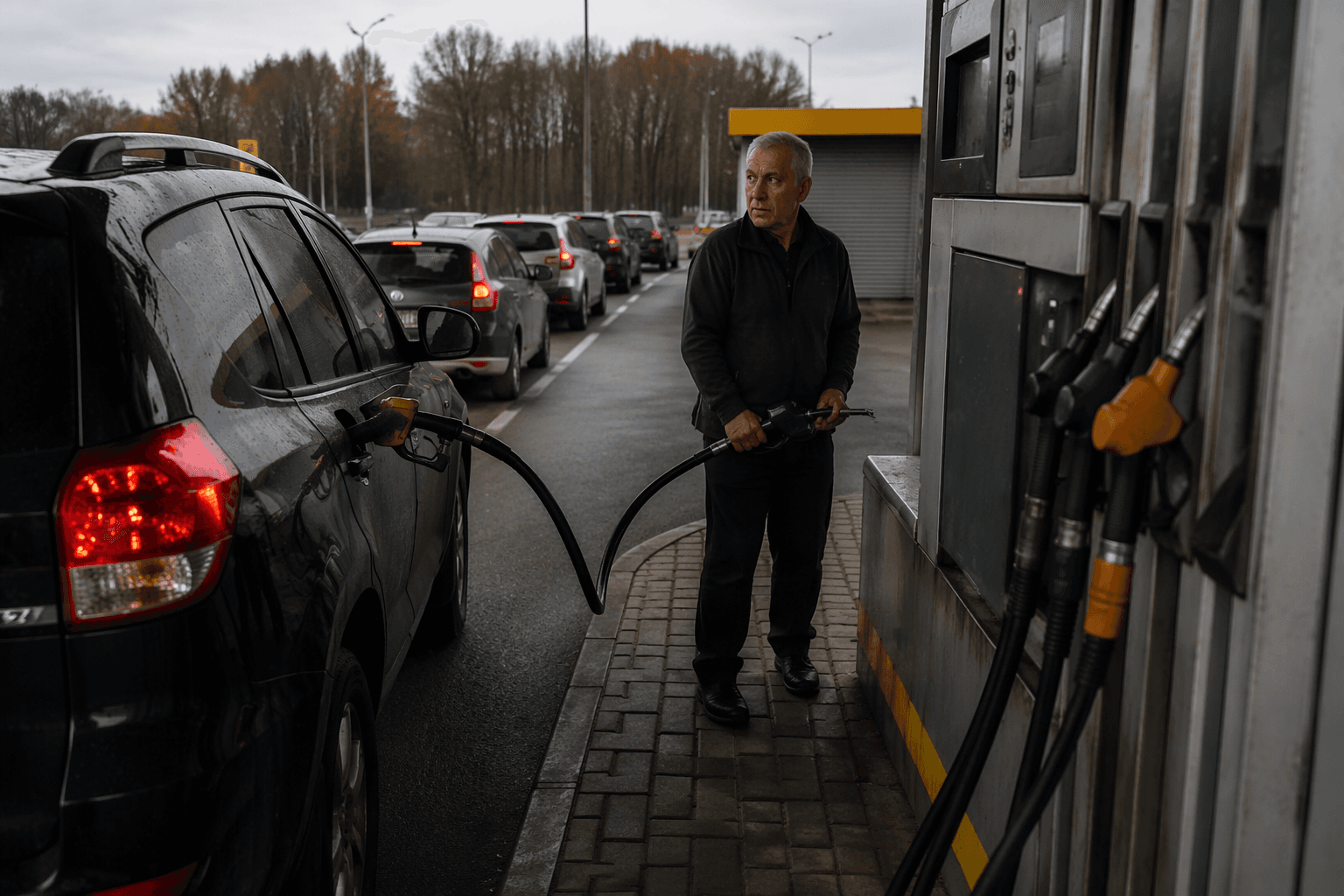
The crisis planning has also been designed to calm markets rather than stoke them. Ministers have urged drivers not to change travel plans or panic-buy fuel, while UK airlines say they are not seeing a jet fuel shortage. But the economic shock is already being priced in. The International Monetary Fund cut its UK growth forecast for 2026 to 0.8% from 1.3%, saying the energy shock from the Iran conflict would hit Britain hardest among advanced economies.
Retailers and food producers are warning of further pain. Sainsbury’s, which holds a 15.6% share of the UK grocery market, said uncertainty over the war could drag profits lower. UK food inflation rose to 3.7% in March, the Food and Drink Federation has warned prices could rise by almost 10% by December, and the Resolution Foundation said higher fuel prices and energy bills could cost households £480 this year. The government’s task now is to show its planning is not just a political precaution, but a real defense against shortages that would quickly reach British kitchens and hospital wards.
This article was produced by Prism’s automated news system from verified source data, official records, and press releases, then run through automated quality and moderation checks before publishing. The system is built and supervised by the people who set the standards it runs under. Read our full AI policy.
Did this article answer your question?