Ukraine Keeps Chornobyl Zone as Military Belt Amid Repair Push
Four decades after Reactor No. 4 exploded, Chornobyl was also a war zone: a drone strike damaged its shield in 2025, and redevelopment plans gave way to security needs.
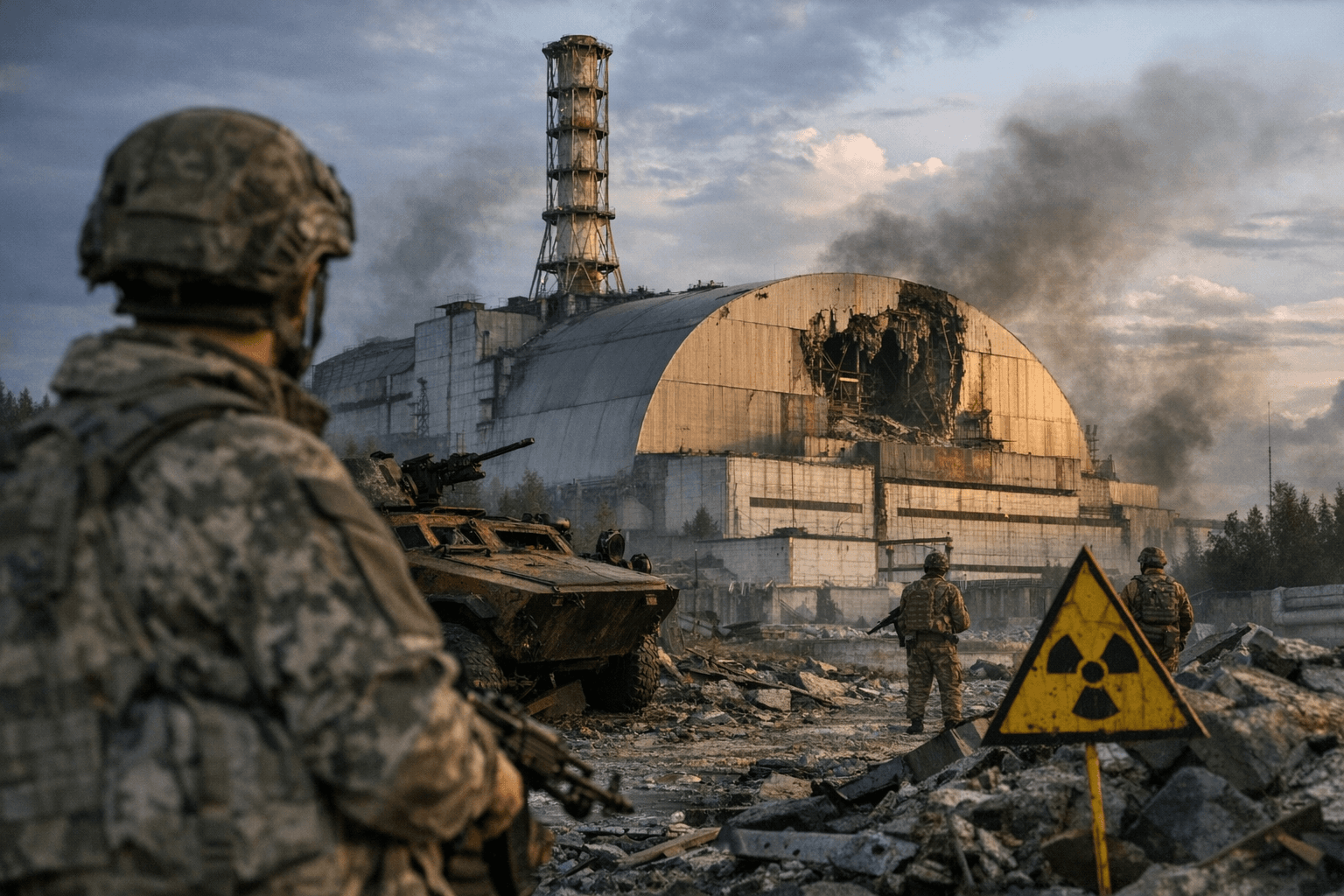
Four decades after Reactor No. 4 exploded and burned, Chornobyl had become more than a monument to nuclear catastrophe. The exclusion zone was now a militarized security belt for Ukraine, and the war had turned any talk of redevelopment into a question of protection first, prosperity later.
The disaster on April 26, 1986, destroyed Reactor No. 4 at the Chornobyl Nuclear Power Plant and forced Soviet authorities to evacuate about 116,000 people from the immediate area. Another roughly 220,000 people were later resettled from contaminated zones. The damage to land, homes and public trust was so severe that the site became shorthand for permanent risk, even as Ukrainian officials later imagined a different future for the region.
That future was built around the New Safe Confinement, the giant arch inaugurated in 2019 over the ruined reactor. Designed to keep radioactive material contained for decades, the structure was meant to buy time while engineers and regulators monitored the site. The International Atomic Energy Agency has said Chornobyl still requires continuous oversight, a reminder that the zone’s primary mission remains containment, not commercialization.
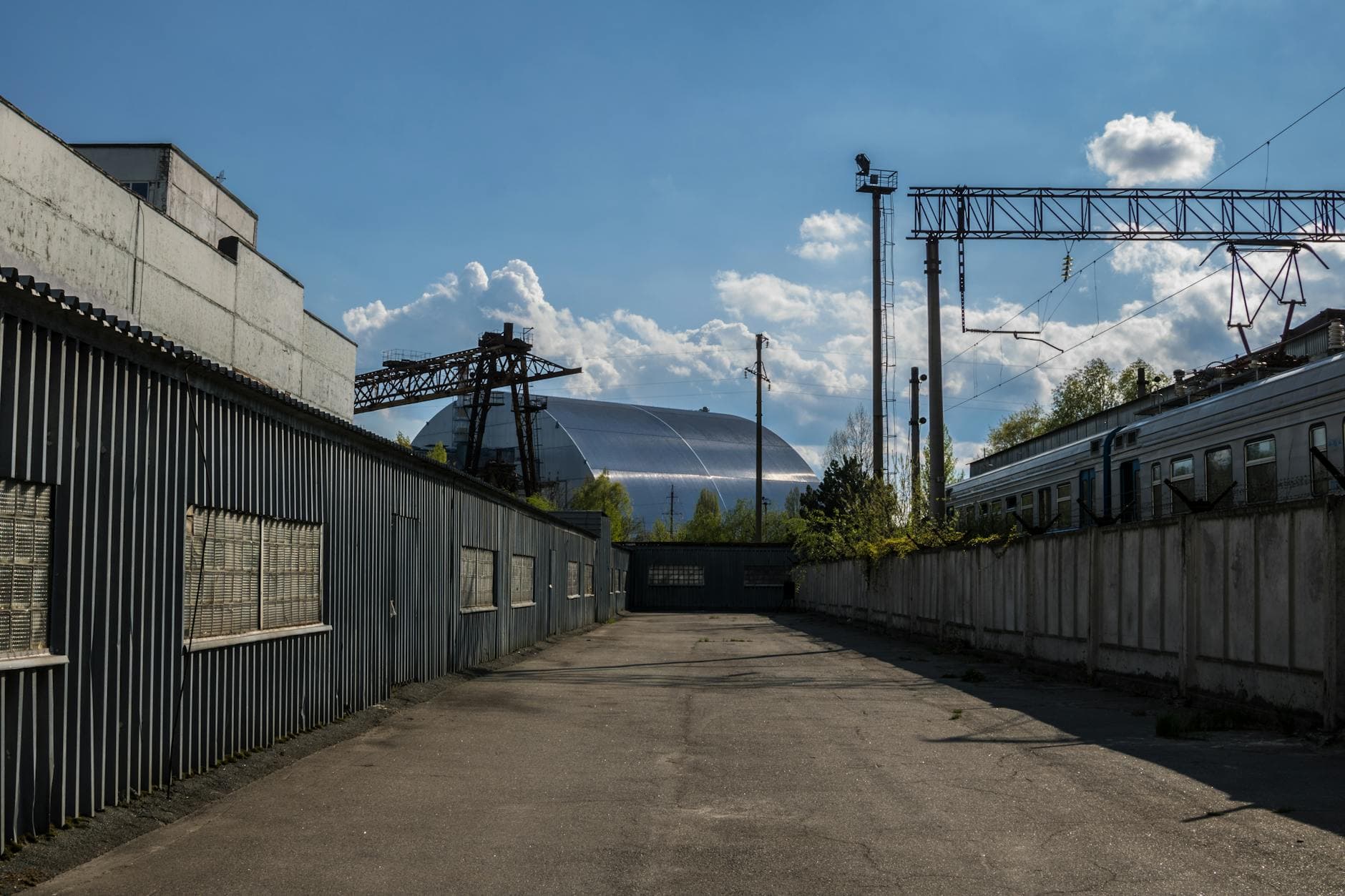
War rewrote that equation on February 14, 2025, when a drone strike pierced a hole through the NSC roof and set off fires. The IAEA said the blast breached both the outer and inner cladding of the arch, though radiation readings stayed within established limits and no release beyond those limits was reported. By March 13, 2025, the agency said Ukrainian firefighters had gained full control of the situation. In November 2025, the IAEA said it had sent additional staff to Chornobyl for a comprehensive safety assessment of the damaged structure.
Repair money has been pledged, including €42.5 million from international partners, but the site remains exposed as the war continues. That has stalled any serious redevelopment push, even as President Volodymyr Zelensky and deputy presidential office official Kyrylo Tymoshenko have spoken about lifting restrictions and turning the exclusion zone into a scientific and tourist magnet. Tymoshenko said the government wanted the area to become one of development rather than oblivion. For now, the old language of ruin still collides with a new one of defense, and Chornobyl remains locked inside both histories at once.
This article was produced by Prism’s automated news system from verified source data, official records, and press releases, then run through automated quality and moderation checks before publishing. The system is built and supervised by the people who set the standards it runs under. Read our full AI policy.
Did this article answer your question?


