Starmer convenes leaders for national push against antisemitism
Starmer will gather Jewish leaders and sector heads after the Golders Green stabbing, with ministers under pressure to turn condemnation into enforcement.

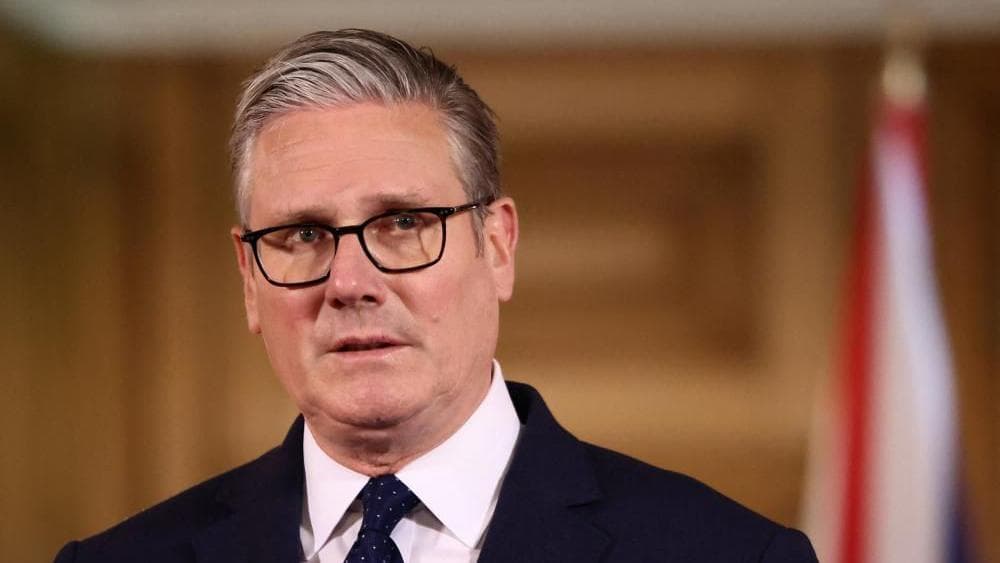
Keir Starmer will bring leaders from business, civil society, health, culture, higher education and policing to Downing Street on Tuesday, aiming to turn the government’s response to antisemitism into something that reaches beyond Westminster statements and into the institutions that shape daily life.
The meeting comes after the Golders Green stabbing, recent arson attacks and the October 2025 attack at Heaton Park. Counter Terrorism Policing has formally described the Golders Green stabbing as a terrorist incident, and two Jewish men were seriously wounded. The government has raised the national terrorism threat level to severe and announced an extra £25 million to help protect the country’s estimated 290,000 Jewish people.

Starmer is expected to call the Golders Green attack “utterly appalling” and “not an isolated incident,” placing it within what ministers see as a broader rise in antisemitism. That framing matters because the test now is not simply whether leaders condemn the violence, but whether they can translate the meeting into stricter enforcement, better protection for synagogues and Jewish-linked sites, and tougher expectations in universities, workplaces and public institutions where antisemitism can spread unchecked.
The political pressure is immediate. Jewish community members have described feeling scared, angry and unsafe after the attack, while the surge in tensions has added pressure on Labour ahead of local elections on May 7. Chief Rabbi Ephraim Mirvis has said words of condemnation are no longer sufficient, and the Board of Deputies of British Jews has welcomed the government’s wider social cohesion and extremism plan, while insisting that commitments on tackling antisemitism must be sustained, not symbolic.
Downing Street said ministers will host individual roundtable discussions with members of the Jewish community as part of a whole-of-society response. The timing is also notable: Starmer will separately chair a Middle East Response Committee meeting on the domestic security implications of the conflict in the Middle East and the heightened threat facing Jewish communities after the recent attacks.

What follows from Tuesday’s meetings will determine whether the government is prepared to use its new language of urgency to drive measurable change. For ministers, success will not be defined by the number of attendees at Downing Street, but by whether the response produces visible protection, consistent enforcement and a firmer national line against antisemitism wherever it appears.
This article was produced by Prism’s automated news system from verified source data, official records, and press releases, then run through automated quality and moderation checks before publishing. The system is built and supervised by the people who set the standards it runs under. Read our full AI policy.
Did this article answer your question?

