Supreme Court ruling on Louisiana voting map triggers urgent redraw fight
Louisiana’s six House seats are in flux after the Supreme Court voided its map, and the speed of the next court step could decide whether a new district map is ready for 2026.
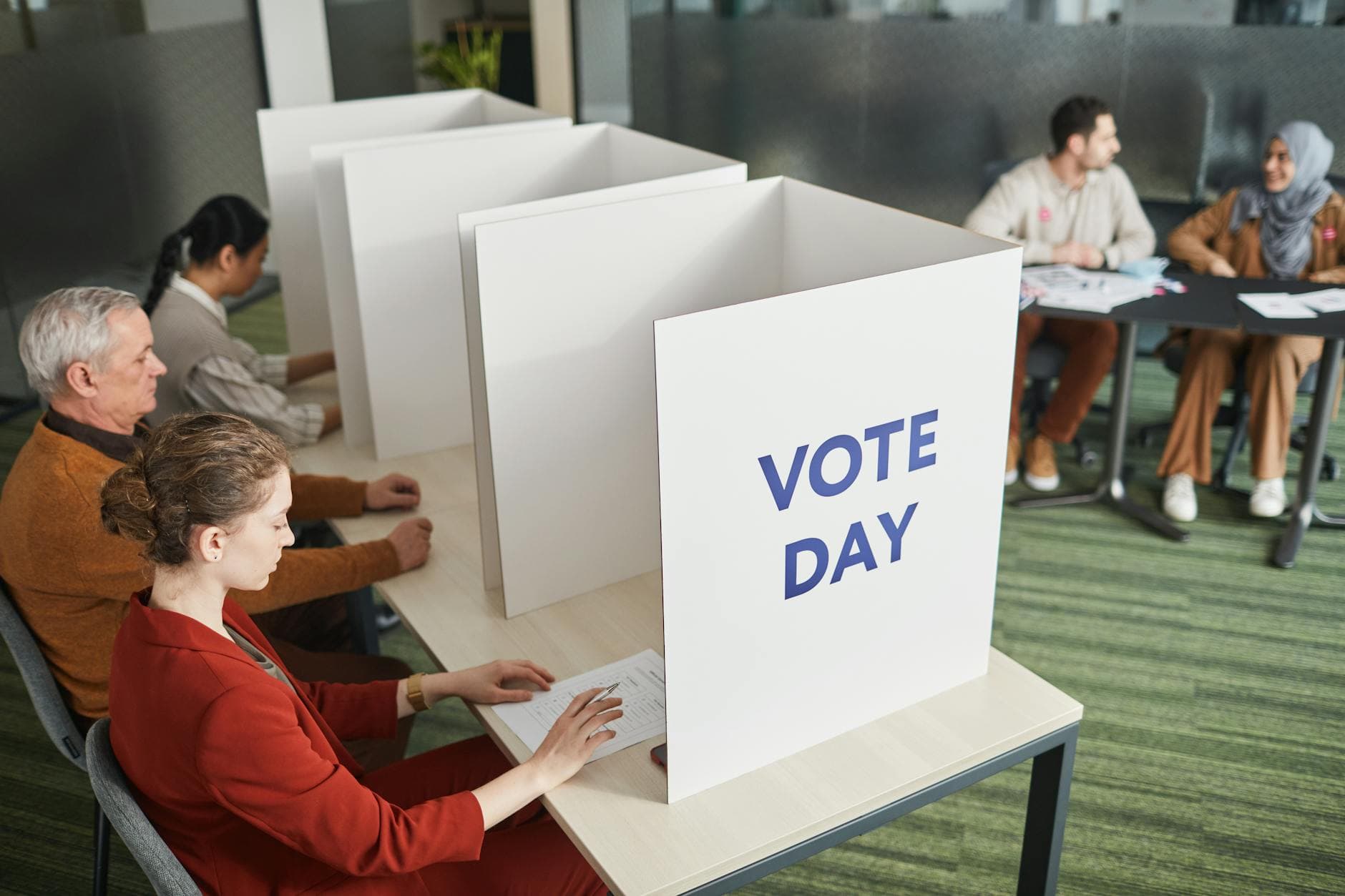
Louisiana’s six U.S. House seats were suddenly back in play after the Supreme Court struck down the state’s congressional map and then weighed how fast the case should return to lower courts. The timing mattered because a quick mandate could let Louisiana redraw lines before the 2026 election cycle advances too far, while a delay would leave the state fighting over a map already tied up in court and already reshaping campaign plans.
In Louisiana v. Callais, the Court ruled 6-3 on April 29, 2026, that the state’s use of race in drawing the map was unconstitutional and that Section 2 of the Voting Rights Act did not require Louisiana to create a second majority-minority district. The challenged map had added a second majority-Black congressional district, a major shift in a state where Black voters make up roughly one-third of the population but where only one of the six districts had historically elected a Black-preferred candidate.
The fight now turns on what happens next. Louisiana voters who challenged the map asked the justices to send the case back to lower courts immediately so a new plan could be drawn. That request carried direct consequences on the ground: the state’s congressional primary had been set for May 16, with early voting scheduled to begin May 2. Louisiana officials said a new map could still be enacted in time for the 2026 elections if the lower courts regained jurisdiction quickly enough.
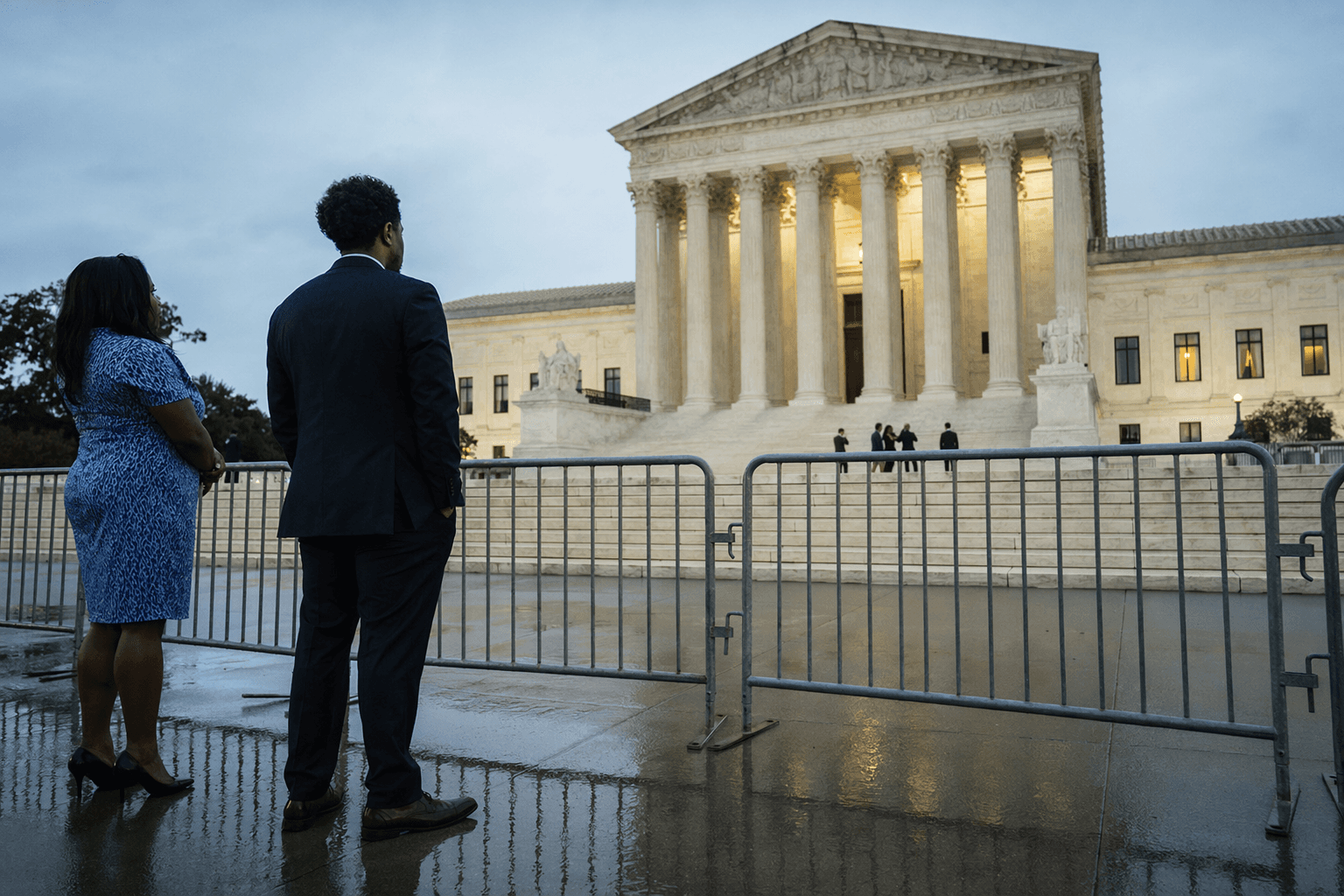
Gov. Jeff Landry responded after the ruling by suspending the congressional primaries, and Attorney General Liz Murrill said lawmakers could still draw a new congressional map for 2026. The suspension set off immediate backlash. Civil-rights groups and Democrats filed multiple lawsuits and said the move would disrupt voters and candidates just as campaigning was entering its most compressed phase.
The dispute has roots in earlier federal court rulings that found Louisiana’s 2022 map likely violated Section 2 of the Voting Rights Act. The Supreme Court had previously allowed the challenged map to be used in the 2024 election cycle through an emergency order, but the April 29 decision changed the terrain. Supporters of the ruling argue states should not be forced to sort voters by race in redistricting. Civil-rights advocates say the decision could weaken Voting Rights Act protections far beyond Louisiana, especially in Southern states where race and representation remain tightly linked.
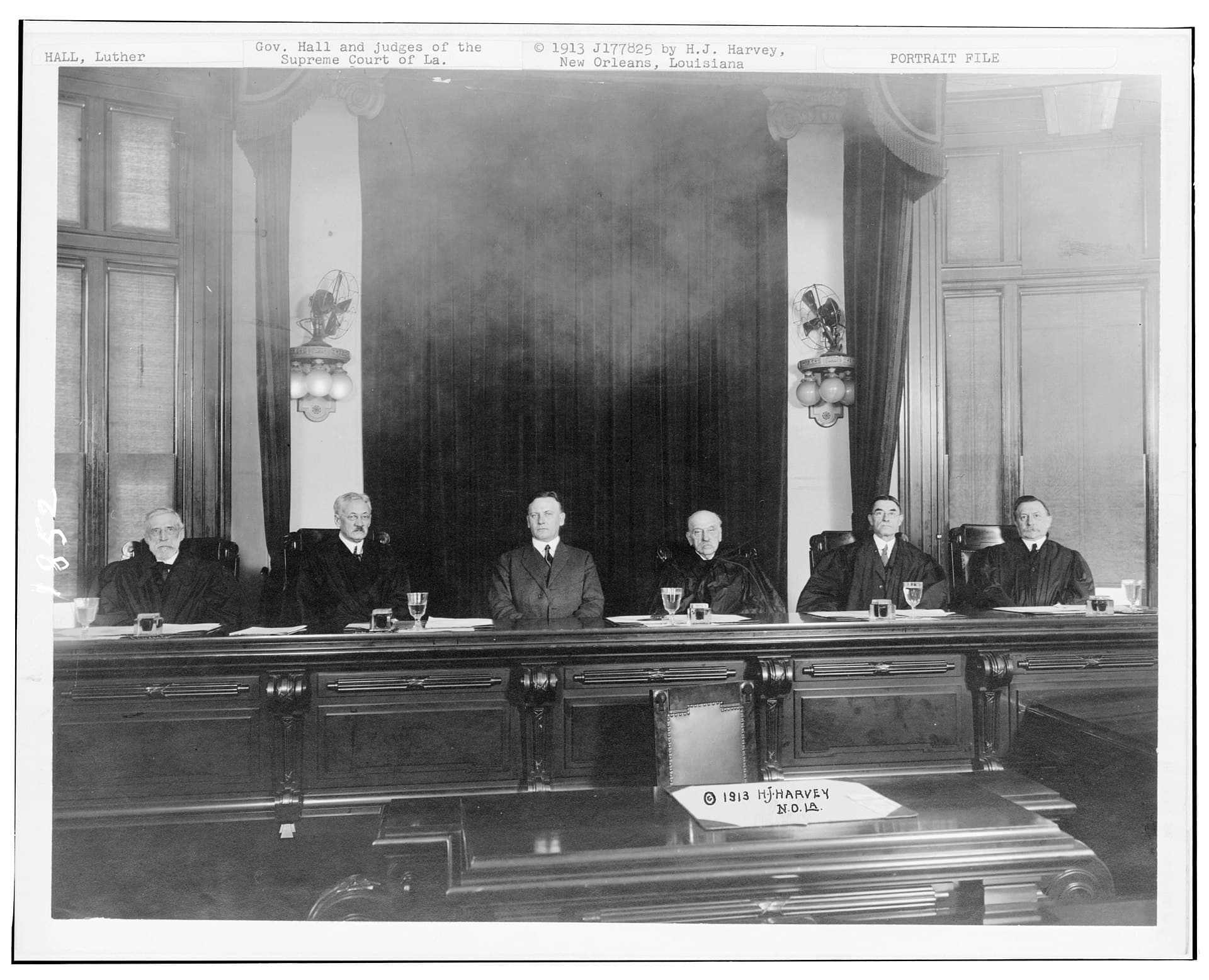
For now, the outcome in Baton Rouge will hinge on whether the legal clock moves fast enough to give lawmakers a chance to redraw the map before the 2026 race hardens around the old one.
This article was produced by Prism’s automated news system from verified source data, official records, and press releases, then run through automated quality and moderation checks before publishing. The system is built and supervised by the people who set the standards it runs under. Read our full AI policy.
Did this article answer your question?

