Starmer Faces Growing Labour Leadership Pressure After Local Election Rout
Labour’s local-election losses have revived a succession fight, with Wes Streeting, Angela Rayner and Andy Burnham offering very different futures for the party.

Keir Starmer’s authority was shaken by Labour’s heavy local-election losses, the party’s worst since 1995, and the pressure has quickly turned into a test of succession. Dozens of Labour lawmakers have urged him to go, Peter Mandelson’s appointment as ambassador to Washington has drawn fresh criticism over his ties to Jeffrey Epstein, and Starmer has responded by bringing in Gordon Brown and Harriet Harman as advisers while insisting he is not resigning.
Any challenge still has to clear Labour’s rules, and those rules are steep. A would-be challenger must be an MP and must win nominations from 20 percent of Labour MPs, or 81 of the party’s 405 MPs, before reaching a wider party ballot. That threshold was raised from 10 percent in 2021, making it harder for insurgents to force their way onto the ballot even when the parliamentary mood turns sour.
Among the names now in circulation, Wes Streeting looks like the most obvious parliamentary contender. As health secretary and a senior figure inside government, he could assemble support from MPs who want a change of tone without a wholesale break from Starmerism. A Streeting bid would signal continuity in government management, but with a sharper political edge and a harder reset after the local-election rout.
Angela Rayner would represent a different route. She resigned as a government minister and as Labour deputy leader on 5 September 2025, after which David Lammy was appointed deputy prime minister. The Labour deputy leadership election was then set for 25 October 2025. Rayner’s appeal lies in her standing with members and her links to the party’s grassroots, which means a candidacy from her would point to a more movement-backed and more openly left-leaning alternative to Starmer’s leadership.
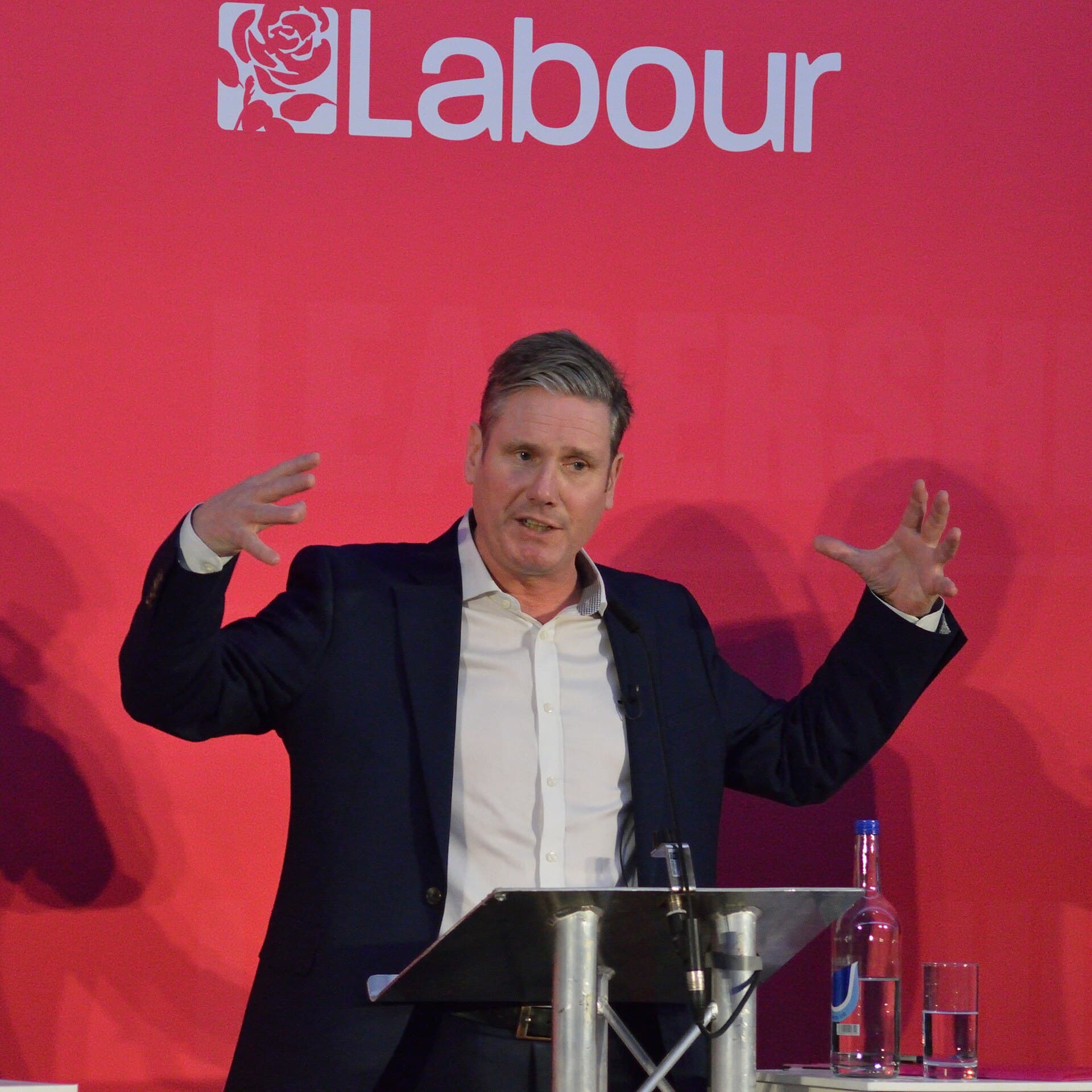
Andy Burnham is still the figure many Labour members talk about most, but he cannot simply step in from Greater Manchester. He is not currently an MP, so allies have said he would need a route back into Westminster before he could stand. That makes Burnham less a near-term ballot threat than a signal of the desire among members and unions for a broader rethink, one that would almost certainly be read as a rebuke to the current Westminster leadership style.
A separate Labour MP, Catherine West, said she would challenge Starmer if no one else stepped forward by 11 May 2026, underlining how quickly the leadership conversation has hardened. For now, no formal challenge has been launched, but Labour’s next contest will not be decided by whispers alone. It will hinge on whether a rival can unify MPs first, then win over members and affiliated groups in a party still deciding which future it wants.
This article was produced by Prism’s automated news system from verified source data, official records, and press releases, then run through automated quality and moderation checks before publishing. The system is built and supervised by the people who set the standards it runs under. Read our full AI policy.
Did this article answer your question?

