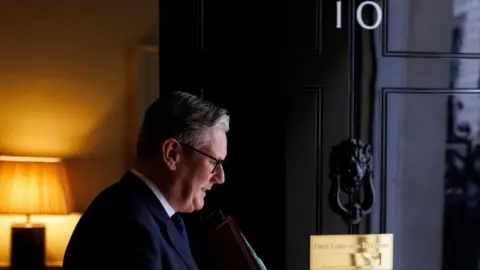
Starmer faces growing pressure to quit after Burnham by-election win
Burnham’s Makerfield landslide gave him a Commons seat and a direct route to challenge Starmer, deepening a Labour leadership crisis now spilling into government.
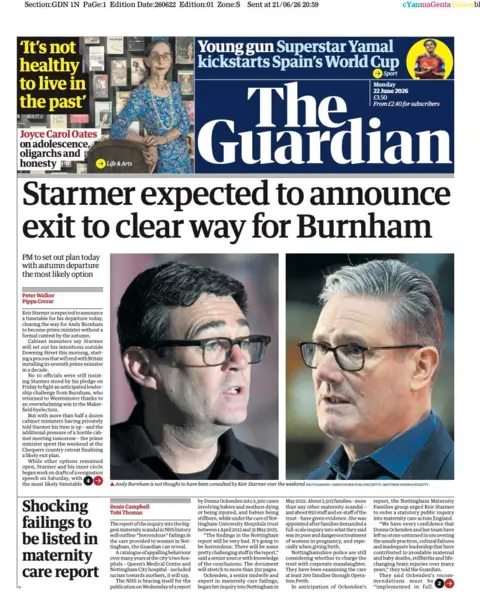
Andy Burnham’s landslide in Makerfield has turned Labour’s internal revolt into a direct threat to Sir Keir Starmer’s control of the party. The Greater Manchester mayor won the by-election on 18 June with 54.8% of the vote, or 24,937 votes, giving him the Commons seat he needs to mount a formal leadership challenge.
Reform UK’s Robert Kenyon finished second with 34.5%, or 15,696 votes, leaving Burnham with a majority of 9,241. The contest was triggered by the resignation of Labour MP Josh Simons on 14 May, and Burnham’s victory has been read inside Westminster as the moment the challenge moved from speculation to practical possibility.
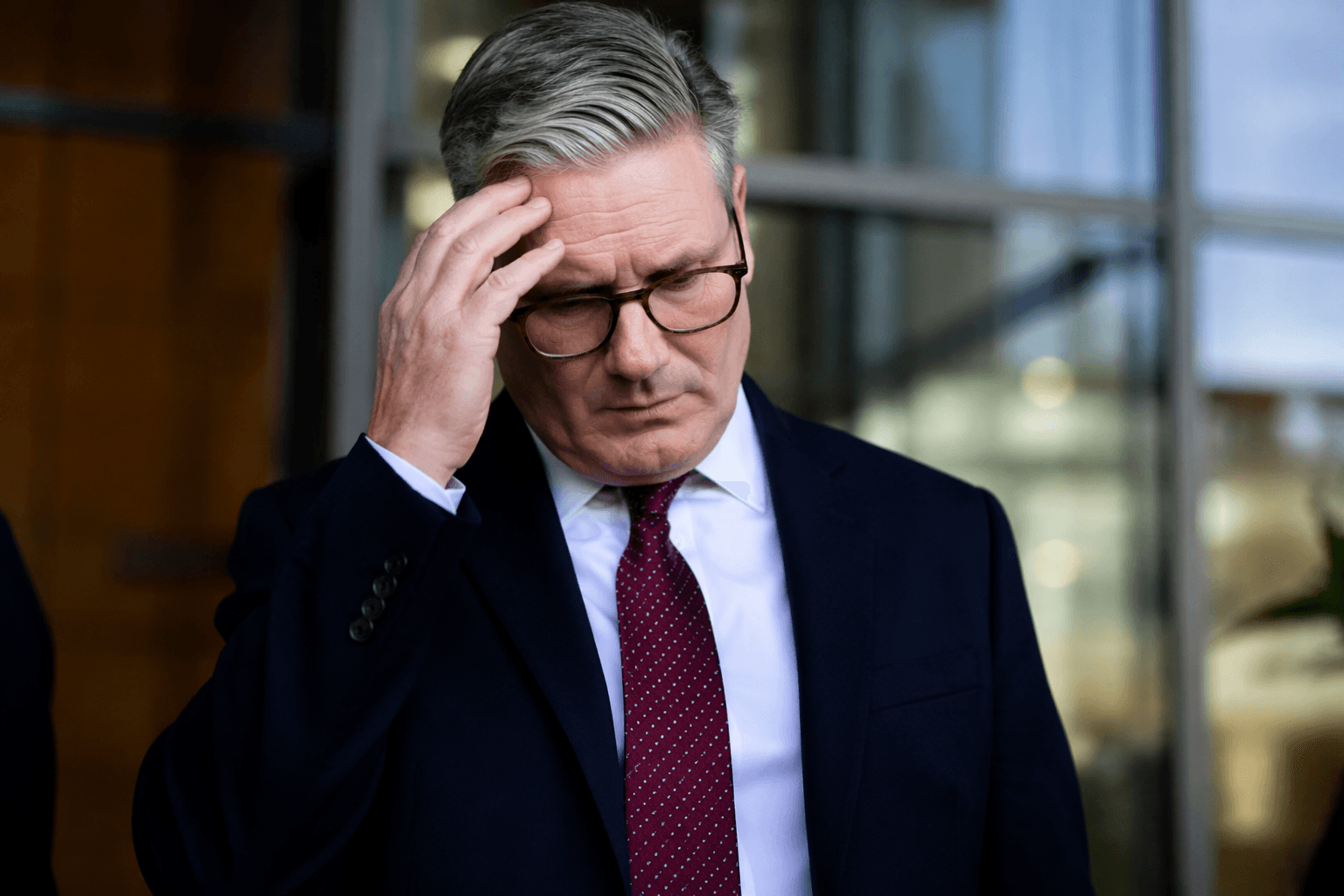
Starmer now faces pressure from two directions at once. More than 100 Labour MPs are reported to have called on him either to quit or to set out a timetable for departure, a bloc that Reuters said amounts to roughly a quarter of Labour’s Commons MPs. Reports also said Starmer could announce his decision as soon as Monday, 22 June, although a government source denied that he was focused on resigning and said he remained intent on governing.
The tension goes beyond a normal leadership wobble. Coverage of the crisis says Health Secretary Wes Streeting resigned as a cabinet minister, while several junior ministers and ministerial aides also stepped down in protest. That kind of public break in ranks has sharpened doubts about whether Starmer can hold together the parliamentary party, preserve policy continuity and claim the authority needed to govern.
Burnham’s return to the Commons changes the arithmetic of the crisis. With a seat secured, he can now make a formal move against Starmer from inside Parliament rather than from the sidelines. That has intensified the sense that Labour’s leadership contest could erupt quickly, with implications for government stability as much as for party management.
Starmer has publicly vowed to stay in office, but pressure around him has clearly hardened after a weekend of speculation and private talks with cabinet ministers, advisers, donors and trade union leaders. If he does go, he would become the sixth UK prime minister to leave office in the past decade, a sign of how unstable the country’s top job has become even less than a year after Labour returned to power.
This article was produced by Prism’s automated news system from verified source data, official records, and press releases, then run through automated quality and moderation checks before publishing. The system is built and supervised by the people who set the standards it runs under. Read our full AI policy.
Know something we missed? Have a correction or additional information?
Submit a Tip