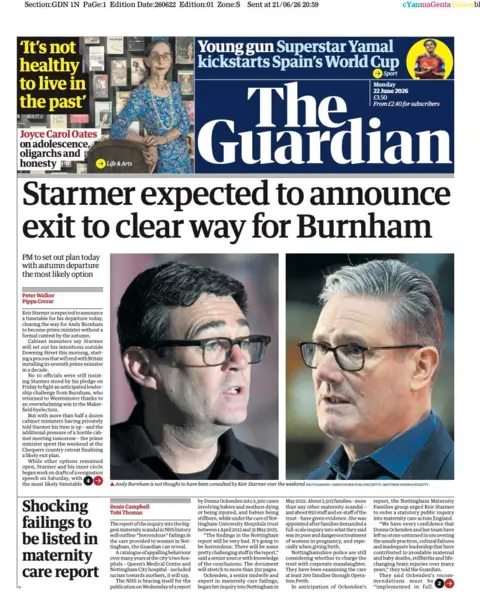
UK on edge as prime minister’s exit looms again
Britain could be heading for a third prime ministerial exit in four years, raising fresh questions about what repeated churn at No 10 is doing to the country.
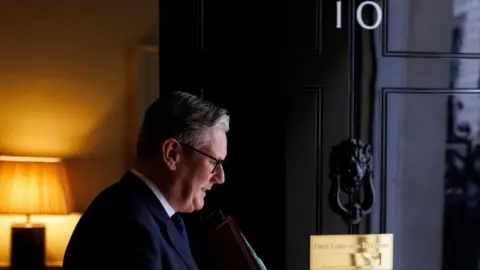
Britain is once again staring at a prime ministerial exit, a prospect that would deepen a pattern of instability at 10 Downing Street rather than simply end one leader’s tenure. The immediate question is not only whether the prime minister will go, but when any announcement would come and how fast the governing party could choose a successor.
The past four years have already produced a brutal sequence. Boris Johnson announced his resignation in July 2022 after mass pressure from ministers and MPs. Liz Truss then quit after only 45 days in office in October 2022, and Rishi Sunak became the country’s third prime minister in seven weeks. Each episode left Downing Street scrambling to restore authority while the Conservative Party tried to project control.
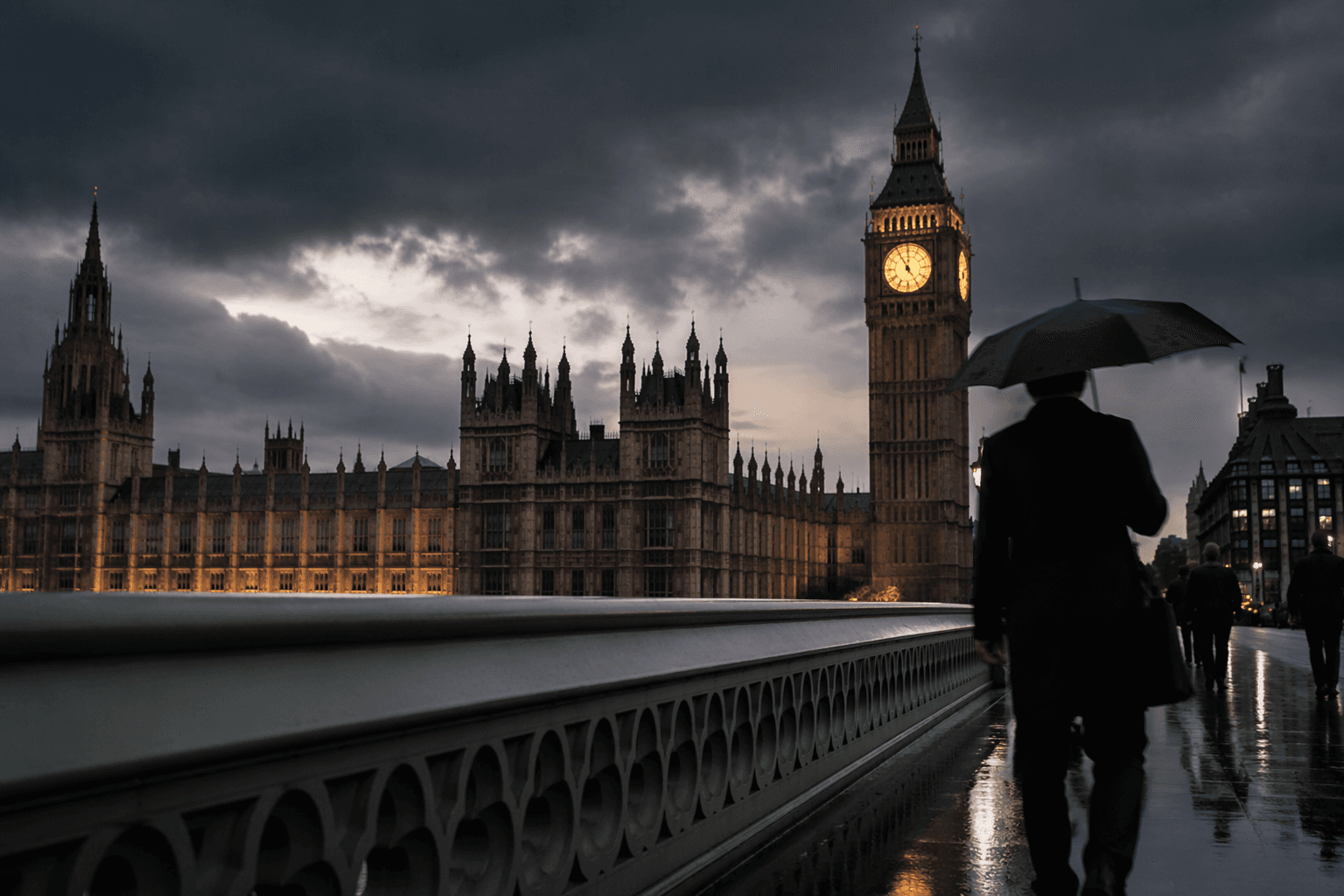
That churn is not without precedent. Harold Wilson resigned on 16 March 1976 in a move that stunned the political world. Margaret Thatcher resigned on 22 November 1990, and John Major succeeded her as Tory leader five days later. Tony Blair stood down on 27 June 2007 after 10 years in office, while David Cameron became prime minister on 11 May 2010 after Buckingham Palace asked him to form a new government. The choreography of departure has long mattered in British politics, because the way leaders leave can define how they are remembered.
That is why the next timetable matters so much. A resignation statement from No 10 would immediately set off pressure inside the governing party, the House of Commons and Buckingham Palace. The longer the uncertainty lasts, the longer Britain sits with a leader whose authority is ebbing while markets, civil servants and allies try to judge how much policy can still move and how much will be frozen.
The broader cost of repeated turnover is larger than the fate of one prime minister. Each sudden departure interrupts policy delivery, weakens confidence in Britain’s consistency abroad and forces voters to watch the same constitutional drama replay itself at the top of government. The BBC has often framed these exits as battles over legacy, but the deeper story is structural: if Britain is again nearing a prime ministerial farewell, the problem may lie not only with the person in Downing Street, but with a system that keeps producing exits before the work of governing is finished.
This article was produced by Prism’s automated news system from verified source data, official records, and press releases, then run through automated quality and moderation checks before publishing. The system is built and supervised by the people who set the standards it runs under. Read our full AI policy.
Know something we missed? Have a correction or additional information?
Submit a Tip