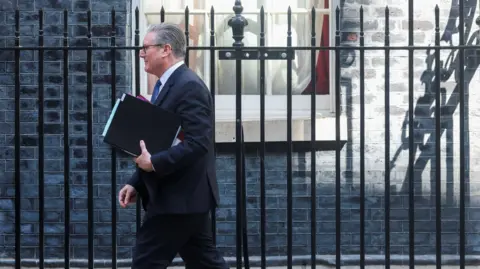
Starmer fights to hold power after Labour’s local election losses
Labour’s local-election rout has revived talk of a challenge, but Sir Keir Starmer says he will stay and fight as MPs weigh whether gossip can become numbers.
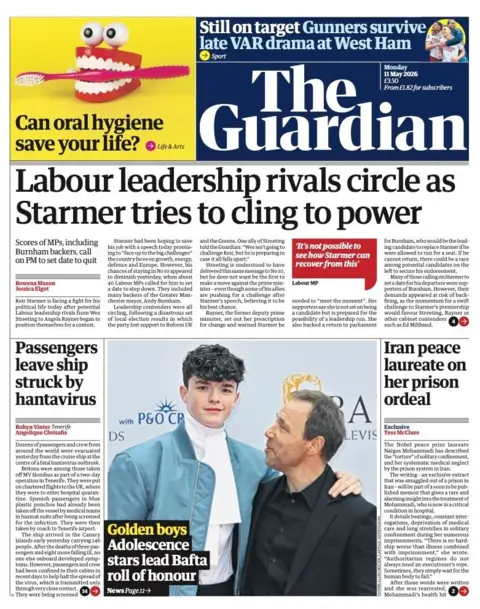
Sir Keir Starmer is trying to turn a humiliating set of local-election losses into a show of authority, insisting he will stay in Downing Street and fight on after Labour suffered heavy losses across England on 8 May 2026. The result has sharpened questions about his grip on the party just under two years after Labour’s 2024 general-election landslide, with Reform UK making major gains in seats that once looked safely Labour.
Starmer has publicly rejected resignation calls and vowed to remain in office to “deliver change”. He is due to begin a political fightback with a speech that will cast rebuilding relations with the rest of Europe as a defining mission for his government, an effort designed to shift the argument from his leadership to his governing agenda. But the local-election fallout has left him defending not only policy but power.
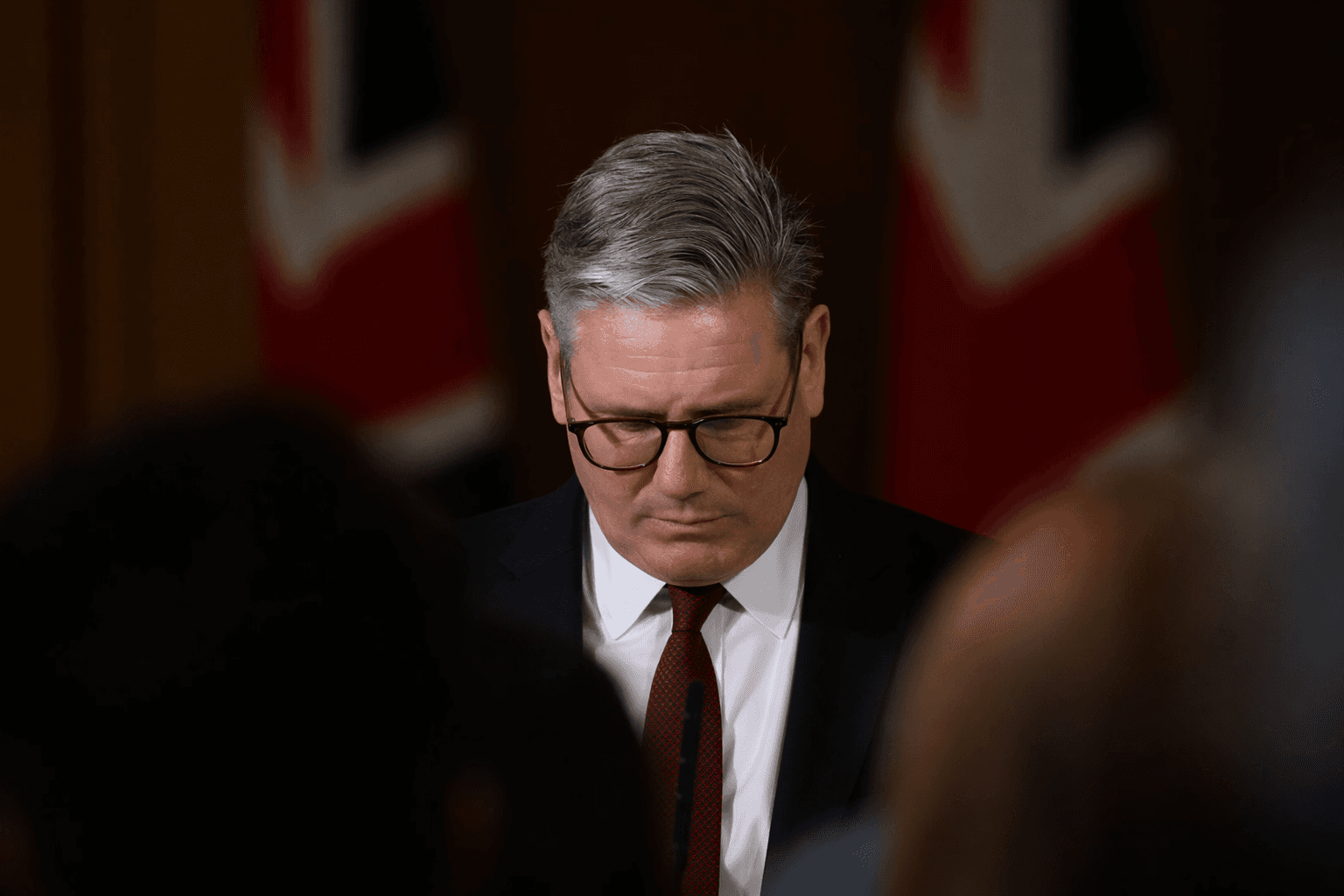
The mechanics matter. Reports that Labour MPs have been sounding out a challenge have circulated alongside talk of an open letter demanding Starmer’s resignation, and some coverage says 81 Labour MPs would have to back a move to trigger a leadership contest. That threshold is the difference between chatter and a real internal revolt. Without that number, the speculation remains just that, even if the mood inside Westminster has clearly darkened.
Possible successors are already being discussed. Angela Rayner and Wes Streeting are being spoken of as the most credible challengers, with some Labour figures treating the contest as a two-horse race. Andy Burnham’s name continues to surface, but he is not currently an MP, which means a return to Westminster would be a prerequisite before he could realistically stand for Labour leader. That detail undercuts the more breathless speculation and shows how much organizing would still be needed to turn a leadership whisper into a formal contest.

For now, Starmer’s problem is less that a coup has been launched than that his opponents are testing whether one could be built. The losses on 8 May exposed the fragility of Labour’s post-election coalition and handed Reform UK a platform to argue that the government is already losing ground. Starmer has chosen to answer with defiance and a pivot to Europe, but the next test is whether Labour MPs accept his reset or decide that the party needs a new leader before the discontent hardens into something more organized.
Know something we missed? Have a correction or additional information?
Submit a Tip