Starmer meets Xi in Beijing, vows reset and deeper UK‑China partnership
Starmer pledged a “more sophisticated” reset with China, reporting progress on whisky tariffs, visas and migration cooperation that could reshape trade and security ties.
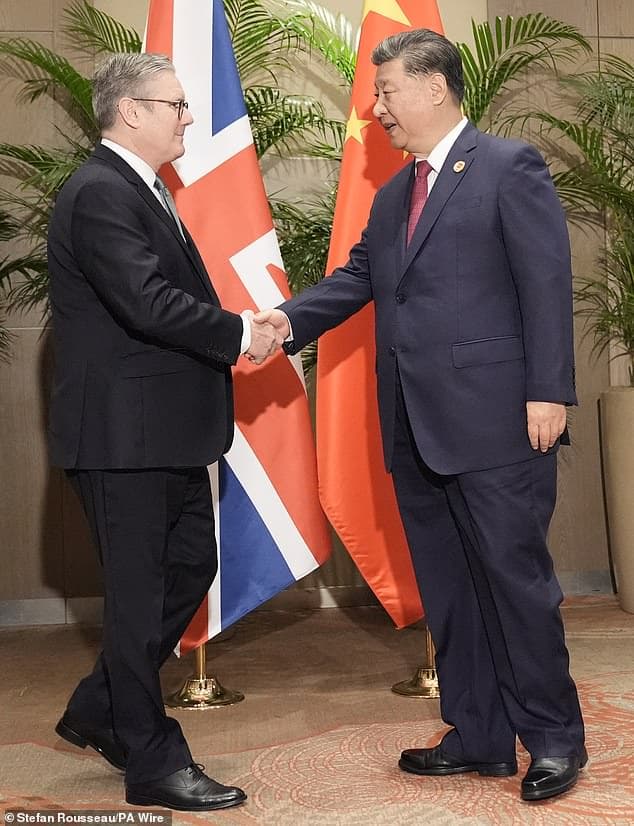
Keir Starmer met Chinese President Xi Jinping at the Great Hall of the People in Beijing on Jan. 29, declaring a reset of relations and a push for a longer term, more “sophisticated” strategic partnership focused on trade, investment and technology. The visit, the first by a British prime minister in eight years, signaled a deliberate pivot from the frosty ties of recent years and set out a pragmatic agenda of commercial and operational cooperation.
Starmer framed the approach as one of engagement combined with candid dialogue. “China is a vital player on the global stage, and it's vital that we build a more sophisticated relationship where we can identify opportunities to collaborate, but of course, also allow a meaningful dialogue on areas where we disagree,” he said at the start of talks. He described the meeting as “very productive,” reporting progress on tariffs for whisky, visa‑free travel and information exchanges on irregular migration.
Officials from both governments outlined practical priorities. The British side said it had pressed for intelligence sharing and direct engagement with Chinese manufacturers to disrupt the supply chains of China‑made small boat engines used in English Channel smuggling. London’s request aims to combine operational steps with commercial safeguards so legitimate businesses are not unduly harmed. Beijing’s foreign ministry cast the visit as an opportunity for expanded cooperation across services and high technology, saying both sides agreed to develop a “long‑term and consistent comprehensive strategic partnership” and to pursue joint work in education, health, finance, artificial intelligence, life sciences, new energy and low‑carbon technologies as China implements its 15th Five‑Year Plan.
The talks included a “respectful discussion” about Jimmy Lai, the Hong Kong media tycoon and British citizen convicted in December of national security crimes, Starmer later told reporters. Xi, citing mutual trust as the basis for stable relations, emphasized peaceful development and urged major powers to adhere to international law to prevent global disorder. The Chinese foreign ministry quoted Xi as saying mutual trust was “the foundation for steady and sustainable state-to-state relations.”

Policy implications are immediate and broad. A thaw could lower trade frictions that have constrained UK exporters in recent years and open opportunities in services and technology where Britain seeks growth. Progress on whisky tariffs and visa facilitation would have direct commercial impact for exporters and tourism, while migration cooperation responds to a pressing domestic political issue for the government. At the same time, reopening investment channels raises scrutiny risks: past administrations imposed curbs on some Chinese investments on national security grounds, and any renewed flows will prompt close review by regulators and parliamentarians.
Market reactions will likely be measured. Investors prize clarity over access and rules; announcements that signal concrete tariff reductions, investment protections or binding tech‑transfer safeguards would have a clearer market effect than rhetorical resets. Starmer’s emphasis on a “more sophisticated relationship” signals an intent to balance economic opportunity with security controls, but the absence so far of signed, detailed agreements leaves the timetable and scale of any financial flows uncertain.
Starmer’s Beijing meetings, which included exchanges with China’s legislature chairman and were to be followed by a meeting with Premier Li Qiang and a final stop in Shanghai, mark a high‑stakes diplomatic recalibration. Officials on both sides framed the outcome as a beginning rather than an endpoint, with follow up needed to turn pledges of cooperation into enforceable deals and to manage the domestic political tradeoffs that reengagement will entail.
This article was produced by Prism’s automated news system from verified source data, official records, and press releases, then run through automated quality and moderation checks before publishing. The system is built and supervised by the people who set the standards it runs under. Read our full AI policy.
Did this article answer your question?


