Starmer resigns as Labour leader after mounting political pressure
Starmer quit as Labour leader after local-election losses and a Mandelson-Epstein backlash exposed a deeper collapse in trust inside his party.

Keir Starmer resigned as Labour leader on Monday, opening a scramble that could end with Britain’s prime minister out of office by July if the party quickly unites behind a successor. He will stay in 10 Downing Street until the leadership contest is complete, but the decision marked a sharp reversal for a leader who had entered office with a landslide mandate just two years earlier.
The pressure had been building for weeks. Labour’s disastrous local election results in early May cost the party about 1,500 council seats and intensified arguments inside Westminster that Starmer had lost control of the political narrative. Those losses were not just a bad night at the ballot box. They became evidence, for many in Labour, that the party’s appeal had narrowed and that the government was paying a steep price for public frustration with its direction.
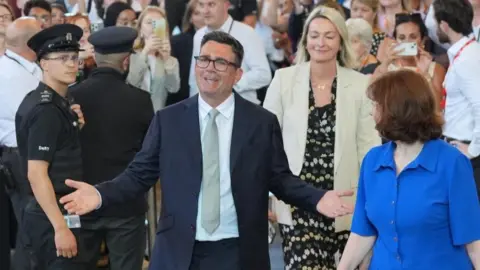
The challenge hardened further after Andy Burnham won the Makerfield by-election on June 18, 2026 with 54.8% of the vote and then took his seat in the House of Commons. That result made Burnham eligible to challenge for the leadership and gave Starmer’s critics a rallying point at exactly the moment his authority was weakening. Labour nominations could open on July 9, and the process could still be finished before the summer recess, a timetable that leaves Starmer exposed to a rapid handover.
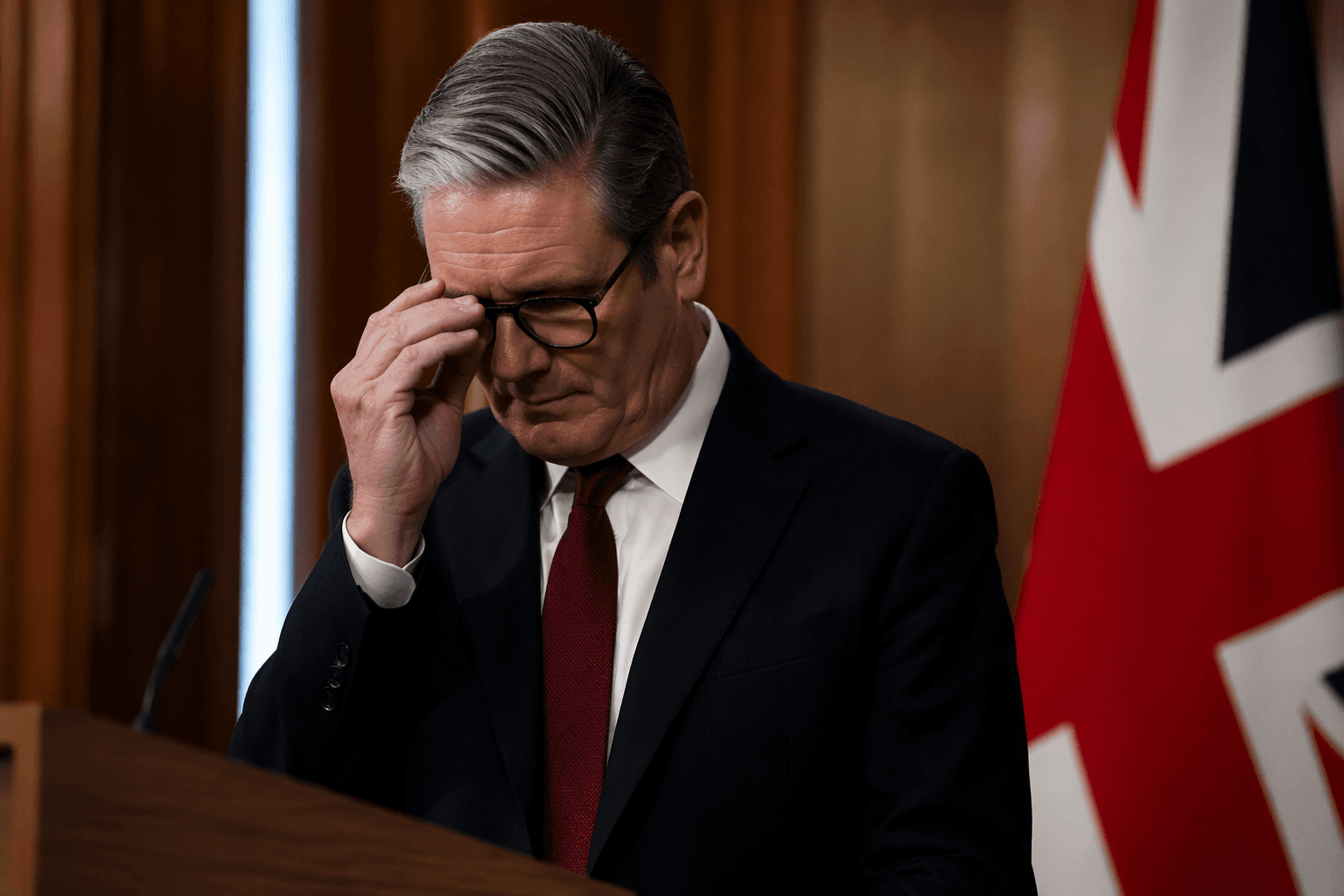
The Epstein-linked damage around Peter Mandelson turned an already difficult political moment into a crisis of judgment. Starmer’s appointment of Mandelson as Britain’s ambassador to Washington drew fierce criticism after documents and emails revived scrutiny of Mandelson’s ties to Jeffrey Epstein. Starmer fired Mandelson, but the fallout kept growing because the argument was never only about one appointment. It became a proxy for deeper doubts about who Starmer trusted, how he exercised power, and whether his team understood the public mood.
Starmer himself was not linked to wrongdoing in the Epstein files, but the political cost attached to the Mandelson episode was real. In a country where trust in institutions has been eroded by years of upheaval, the scandal landed as another test of credibility inside a government already struggling to defend its competence.
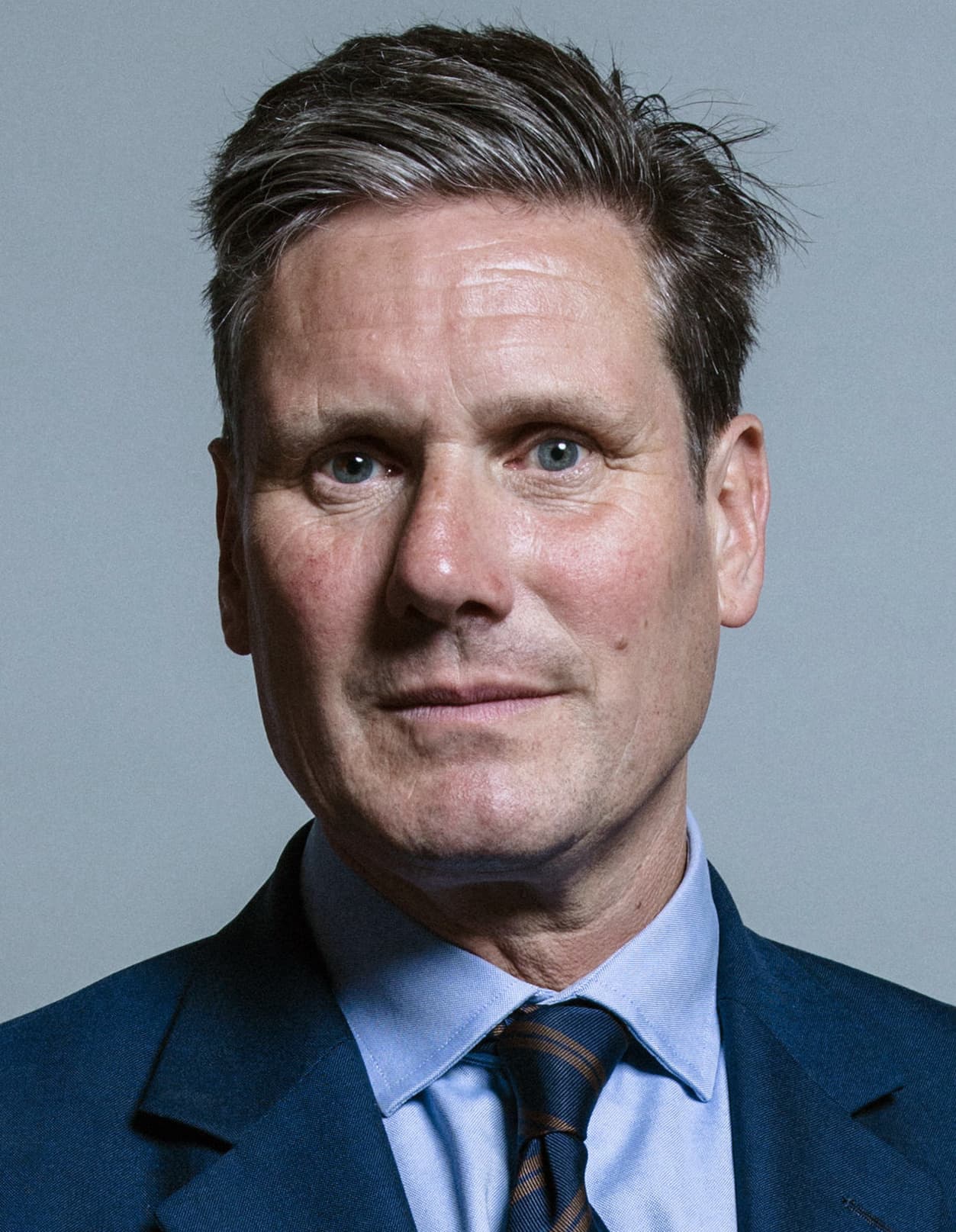
That is why Starmer’s departure matters beyond one leadership contest. He had led Labour to a landslide victory on July 4, 2024, winning 411 of 650 House of Commons seats and ending 14 years of Conservative rule. Now Britain is heading toward its seventh prime minister in about 10 years, a reminder that the instability defining the post-Brexit era has not eased, only changed faces.
This article was produced by Prism’s automated news system from verified source data, official records, and press releases, then run through automated quality and moderation checks before publishing. The system is built and supervised by the people who set the standards it runs under. Read our full AI policy.
Know something we missed? Have a correction or additional information?
Submit a Tip