Starmer vows to stay on as Labour turmoil deepens after local losses
Starmer refused to quit as Labour MPs rebelled after heavy local losses, but the party’s rules make a challenge hard without 81 MPs backing it.

Keir Starmer is trying to turn a party revolt into a test of resolve, not survival, after Labour’s bruising local-election losses and a wave of internal dissent raised fresh questions about how long he can keep authority intact.
Starmer told his Cabinet on Tuesday, May 12, 2026, that he had no intention of resigning and would “get on with governing,” even as about a fifth of Labour’s House of Commons lawmakers pressed him to step aside. The pressure has sharpened after local elections last week in which Labour suffered heavy losses and Reform UK, led by Nigel Farage, made major gains. For many in Westminster, the results have become an unofficial referendum on whether Starmer still has the political strength to lead.
The immediate threat is serious but not yet decisive. Under Labour’s rules, a formal leadership challenge can only be triggered if a challenger is nominated by 20% of the party’s MPs in the House of Commons, a threshold that currently stands at 81 lawmakers. Starmer has argued that the party has not reached that point and that the leadership contest process has not been activated. That buys him time, but it does not restore discipline in a parliamentary party where reports say scores of MPs want a timetable for his departure.
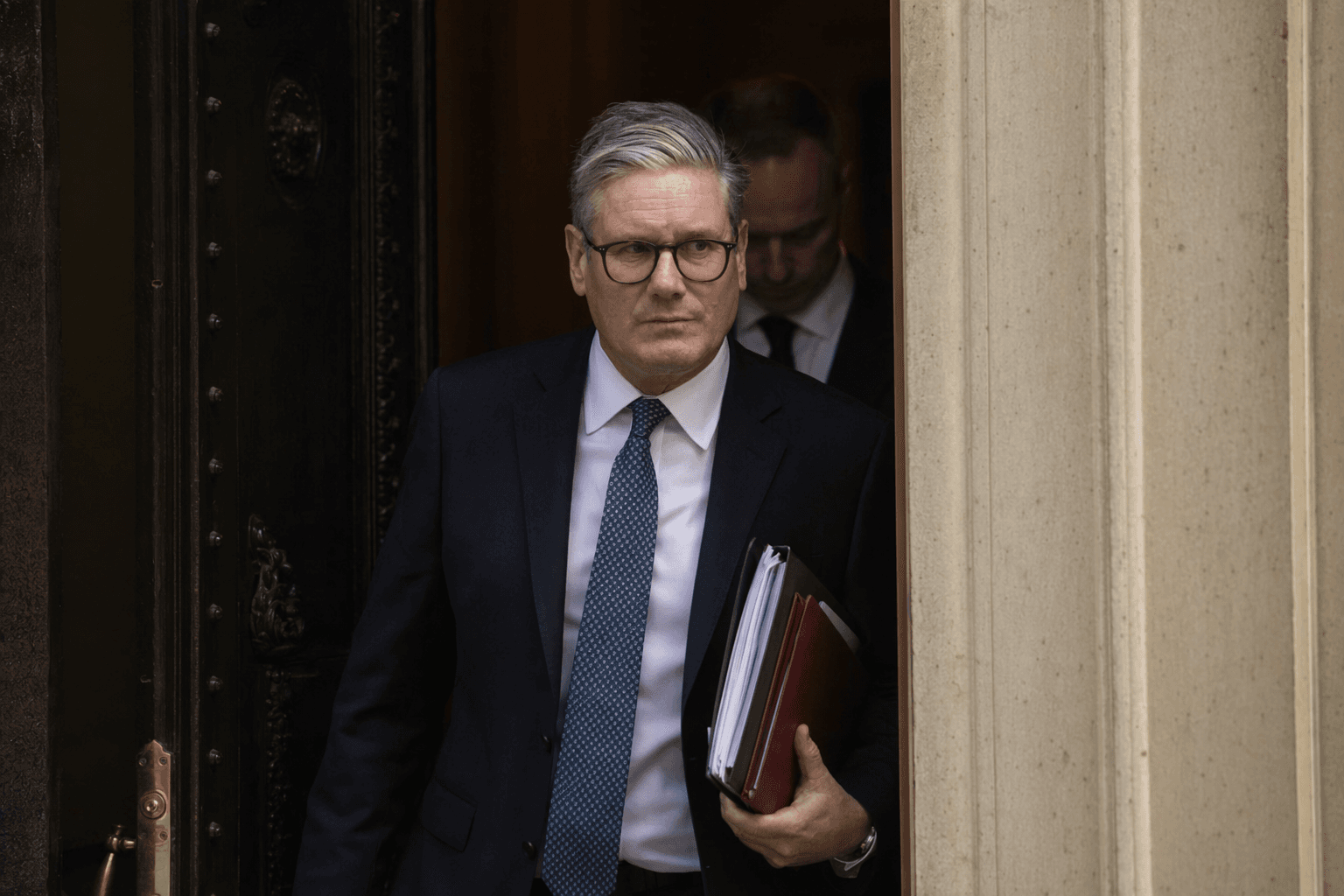
The turmoil has been intensified by resignations from government, including at least two junior ministers, who stepped down amid the fallout from the local-election drubbing. Those departures have given the rebellion a sharper edge, suggesting the backlash is no longer confined to anonymous criticism or private grumbling. It is now reaching into the machinery of government itself, where every resignation chips away at the message that Labour remains united and in control.
That matters because Starmer came to power only in July 2024, after Labour’s landslide national victory, and the party is now being forced to confront how quickly a fresh mandate can erode when voters turn hostile. The local-election losses exposed anger over the government’s direction and sharpened doubts about whether Labour can hold together long enough to deliver its agenda. Even if no leadership contest is triggered in the immediate term, the combination of electoral backlash, ministerial resignations and open factional pressure has turned governing into a political contest over legitimacy.
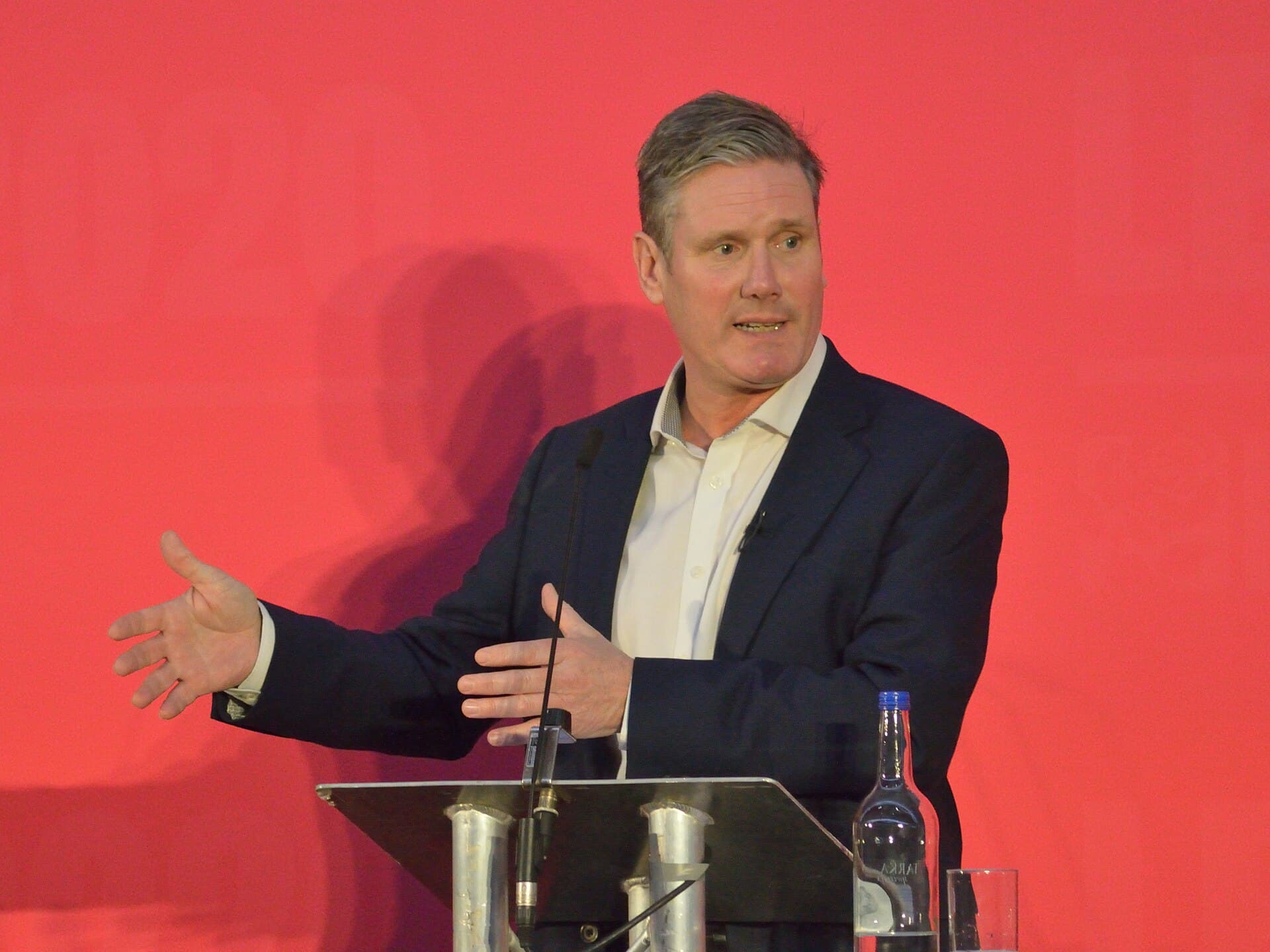
For now, Starmer is betting that standing firm will look steadier than wavering. But the scale of the losses, the rise of Reform UK and the number of Labour MPs demanding change suggest this is more than a passing revolt. It is the clearest sign yet that his authority now depends not just on surviving internal rules, but on proving he can still command public confidence after a jolting setback.
This article was produced by Prism’s automated news system from verified source data, official records, and press releases, then run through automated quality and moderation checks before publishing. The system is built and supervised by the people who set the standards it runs under. Read our full AI policy.
Did this article answer your question?

