Starmer's Cost-of-Living Tsar Urges Bigger Fuel Duty Cut Amid Hormuz Crisis
Starmer's cost-of-living tsar called for a bigger fuel duty cut as diesel hit 185.2p per litre, up 42.9p since Iran closed the Strait of Hormuz.
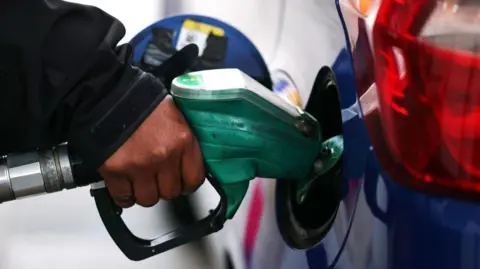
Lord Richard Walker, Sir Keir Starmer's appointed cost-of-living champion and executive chairman of Iceland supermarkets, called on the government to go beyond the existing 5p per litre fuel duty cut on Good Friday, citing the Strait of Hormuz crisis as having sent diesel to its highest price in over two years.
Speaking on BBC Radio 4's Today programme, Lord Walker said the government needed to consider whether the 5p cut, due to expire at the end of August 2026, should be extended in time or increased in size. "I think given where we are, we do need to be thinking and talking about extending it or enlarging it," he said.
RAC data showed diesel at UK forecourts had hit 185.2p per litre, up approximately 42.9p since Iran's blockade of the Strait of Hormuz began on February 28, 2025. Petrol rose by 21.6p to around 154.5p per litre, its highest in 28 months. Diesel alone surged by 40p in March, an unprecedented single-month increase. The Strait of Hormuz normally carries around 20% of global oil and gas exports. For drivers filling a standard 55-litre tank, the increases mean £10.55 extra for petrol and £21.35 more for diesel compared to pre-conflict prices. New research found that 36.4% of sole traders, including plumbers and electricians, said current pump prices could drive their businesses to the brink of collapse.
Lord Walker was also responding to Lord Simon Wolfson, the chief executive of Next and a Tory peer, who warned that the Treasury must not end up profiting from the Iran war through rising fuel duty receipts. "Lord Wolfson is a great guy and very intelligent, and he might have a point there," Lord Walker said.
He pointed to Australia as a benchmark: Prime Minister Anthony Albanese recently halved fuel duty in a move cutting prices by approximately 14p per litre, nearly three times the size of the UK's existing reduction. Ireland cut fuel duty by a fifth, while Poland slashed VAT on fuels from 23% to 8%.
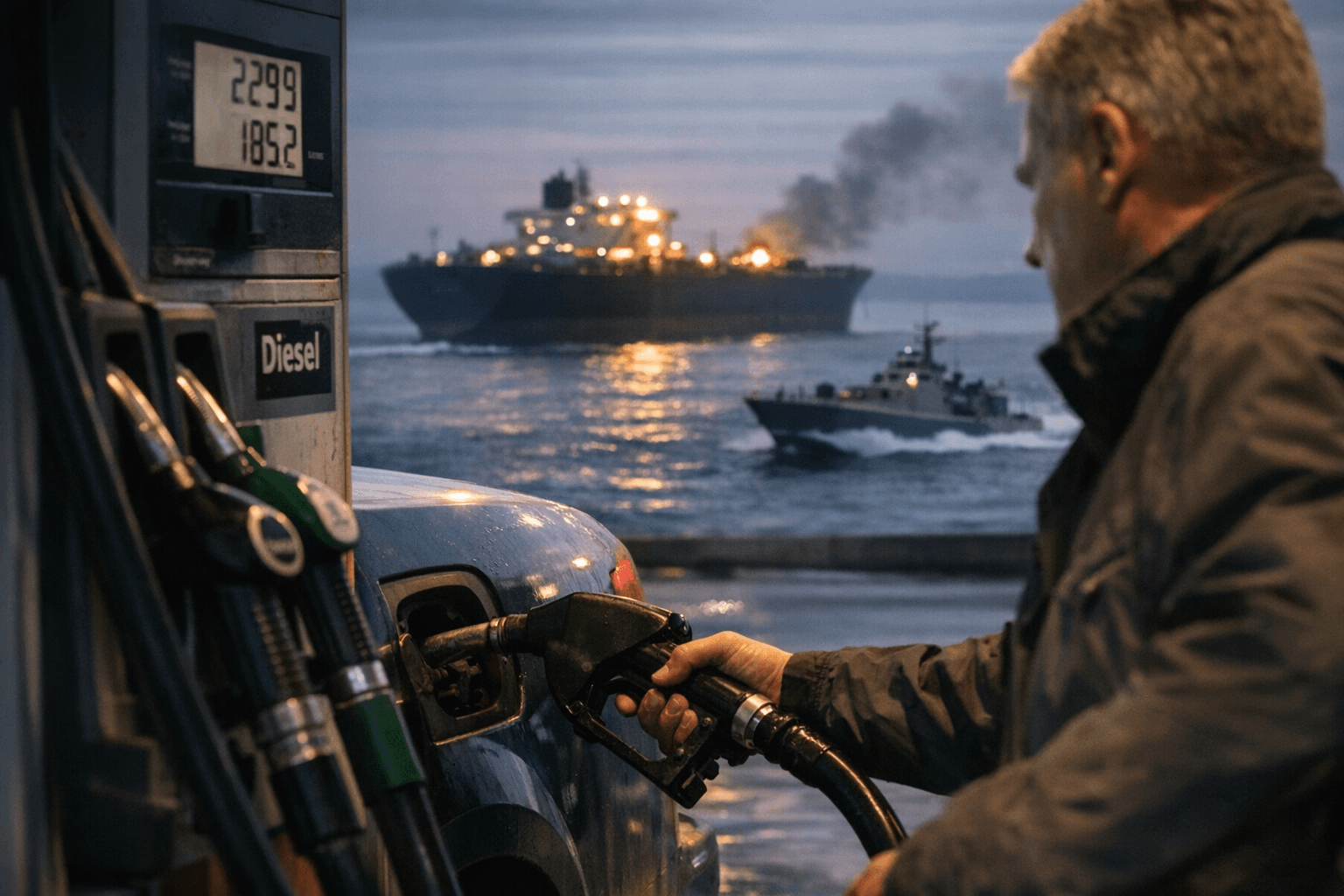
The 5p cut was originally introduced by then-Chancellor Rishi Sunak at the Spring Statement of March 2022, in response to surging pump prices following Russia's invasion of Ukraine, at an estimated cost of £2.4 billion per year. At her November 2025 Budget, Chancellor Rachel Reeves announced the cut would be wound down progressively from September 2026: a 1p increase that month, 2p in December, and a further 2p in March 2027. Fuel duty rates have not increased since 2011, a stretch of 14 consecutive years that the Office for Budget Responsibility calculated cost the government approximately £120 billion up to October 2024. The duty raised just under £25 billion in 2024/25, representing 0.8% of GDP.
Opposition parties pressed for sharper action. Lib Dem leader Sir Ed Davey called for an immediate 10p cut, which he said would bring down pump prices by 12p per litre. The Road Haulage Association urged the government to scrap the planned September hike entirely.
The Treasury defended its position, saying it had "the right economic plan for a more volatile world" and that "fuel duty is frozen until September." Prime Minister Starmer separately unveiled a five-point plan that includes daily monitoring of pump prices, a £53 million fund for heating oil users, and a diplomatic push for the reopening of the Strait of Hormuz.
This article was produced by Prism’s automated news system from verified source data, official records, and press releases, then run through automated quality and moderation checks before publishing. The system is built and supervised by the people who set the standards it runs under. Read our full AI policy.
Did this article answer your question?

