State Bill Reveals How Corporations Block Your Right to Repair
Colorado's SB26-090 lets manufacturers self-classify their products as "critical infrastructure," potentially stripping repair rights from millions of device owners just 3 months after protections took effect.
Less than three months after Colorado's landmark Consumer Right to Repair Digital Electronic Equipment law took effect, Cisco, IBM, and a coalition of tech manufacturers are pushing legislation that could claw back the very protections the law was built to deliver.
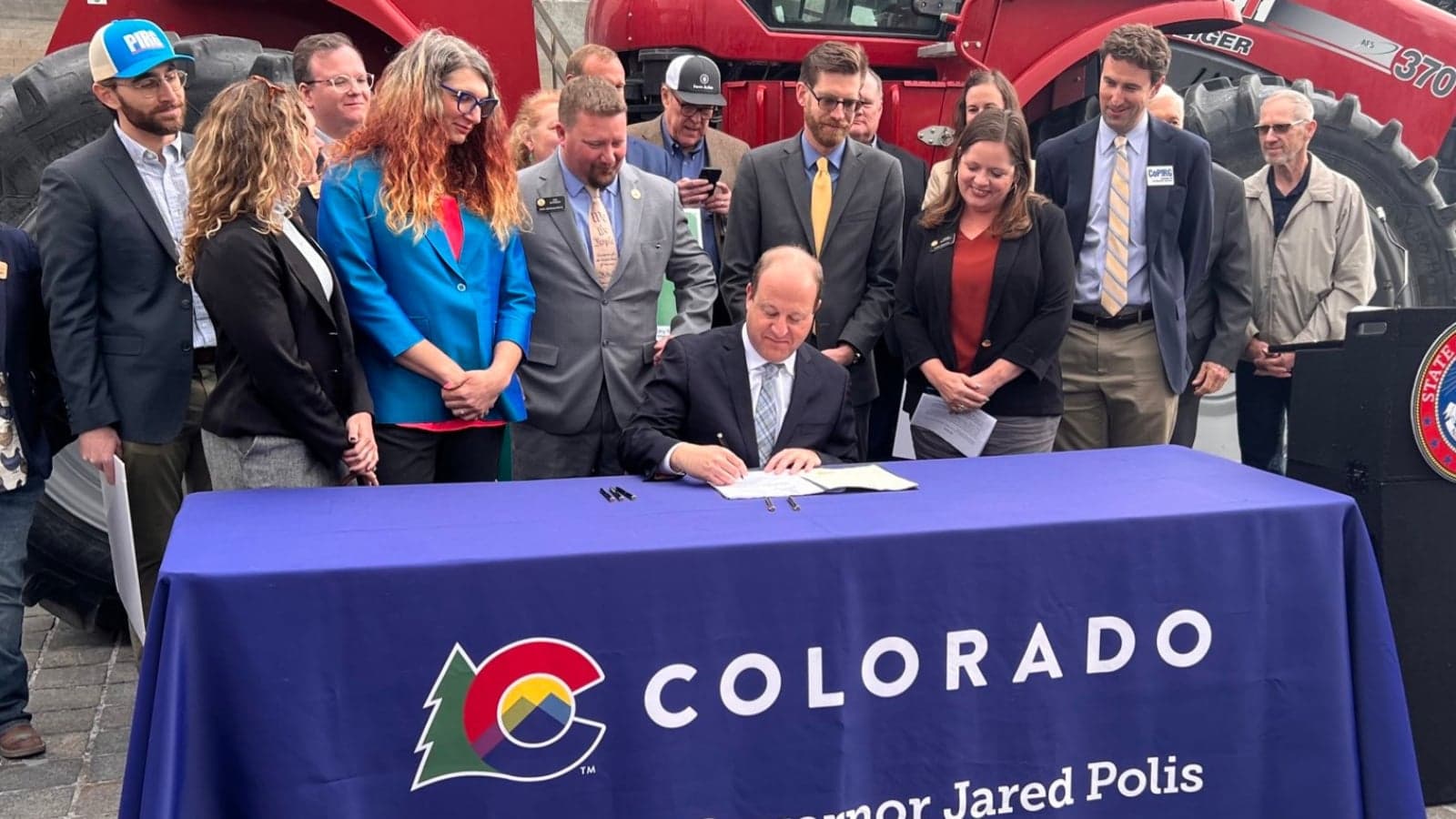
On January 1, 2026, HB24-1121 went into effect, saving consumers money and combating electronic waste. The law requires manufacturers such as Samsung and Apple to provide "documentation, software, data, and other tools" to device owners and independent repair shops to help fix devices, with those materials available at the same prices charged to authorized repair providers. It also prohibits parts pairing, a technology manufacturers use to program certain parts together, which restricts a consumer's ability to independently repair their devices and allows original equipment manufacturers to monopolize replacement parts. Governor Jared Polis called it "one of the most expansive right-to-repair bills in the country."
The practical stakes are concrete. The law covers a broad range of electronics including laptops, smartphones, enterprise equipment like servers, and other gadgets. Before it passed, as Colorado Public Interest Research Group Executive Director Danny Katz explained, a broken phone screen could legally require a trip to the manufacturer's own store, with no alternative.
Now comes Senate Bill 26-090. SB26-090, which the Senate Business, Labor, and Technology committee voted unanimously to advance out of committee on April 3, would exempt "information technology equipment that is intended for use in critical infrastructure" from Colorado's right to repair laws. The wording sounds targeted. It is not.
The bill reaches for the federal definition of critical infrastructure in 42 U.S.C. § 5195c(e), a definition built by the Cybersecurity and Infrastructure Security Agency for national security and resilience planning, not consumer protection. CISA's critical infrastructure framework spans communications, information technology, healthcare, energy, transportation, water, and government facilities. Under SB26-090, manufacturers get to decide what counts as "critical infrastructure" equipment, with no burden of proof required. A Cisco declaration that networking gear is too sensitive for independent repair would be enough to invoke the exemption.
The lobbying footprint behind the bill is substantial. Cisco paid lobbying firm Sewald Hanfling $6,500 per month for at least 14 of the 15 months between October 2024 and December 2025; in January 2026, that payment jumped to $7,500. SB26-090 was introduced on February 10. IBM paid HB Strategies $72,500 in 13 payments between October 2024 and February 2026. In total, lobbying registrations for SB26-090 reached 68.
Repair advocates argue the security rationale doesn't hold. Repair organizations including Colorado PIRG, iFixit, and the Repair Association contend that restricting repairs doesn't automatically improve security, and that forcing critical systems to wait for manufacturer authorization during failures might actually increase vulnerabilities by extending downtime. iFixit pointed out that HB24-1121 already contains deliberate, named exemptions for motor vehicles, aviation, marine vessels, medical devices, and video game consoles. SB26-090 takes the opposite path, handing industry a broad federal catchall and trusting everyone to behave modestly with it, which is not how these fights usually go.
The national implications are direct. More than 15 states have active right-to-repair bills now watching Colorado's amendment battle as the template for corporate response. Tech companies have shifted strategy from pre-passage opposition to post-passage erosion through targeted carve-outs and exemptions. If the self-classification mechanism survives in Colorado, corporate legal teams in every other statehouse will have a tested blueprint for neutralizing repair protections before they can take root.
State Senator Jeff Bridges, the original law's sponsor, noted it was "the first right to repair bill that Google, Apple, and independent repair shops all agreed on." Whether that consensus survives SB26-090 will determine whether Colorado's law becomes the national standard, or a cautionary lesson in how quickly consumer rights can be legislated away in a second pass.
This article was produced by Prism’s automated news system from verified source data, official records, and press releases, then run through automated quality and moderation checks before publishing. The system is built and supervised by the people who set the standards it runs under. Read our full AI policy.
Did this article answer your question?