Apple Turns 50: Analysts Weigh In on the Brand's Biggest Hits and Misses
Fifty years in, Apple's scoreboard is remarkable but imperfect: analysts credit the iPhone with reshaping civilization while pointing to MobileMe as proof that even Jobs could fumble badly.
Apple was founded on April 1, 1976, by Steve Jobs and Steve Wozniak, and in the five decades since, it has built some of the most consequential products in corporate history while also producing some spectacular misfires. To mark the milestone, we surveyed analysts for their top three Apple successes and three most glaring misses. Their answers span the full arc of the company's life, from the garage-startup era to the spatial computing frontier.
The Hits
1. The iPhone
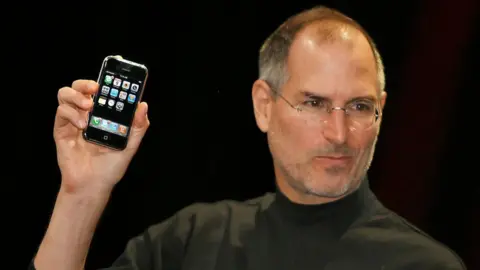
No gadget in history had as much hype leading up to it as the original iPhone. But Steve Jobs delivered when he unveiled it at Macworld in January 2007 with his now-iconic 3-in-1 pitch: "It's a widescreen iPod with touch controls," a "revolutionary mobile phone," and a "breakthrough internet communications device." Microsoft boss Steve Ballmer dismissed the product outright. Yet the flagship device pushed Apple into a multi-trillion-dollar empire, erased physical keyboards from mobile phones, and created an all-out war with Google's Android. The numbers speak for themselves: 2.2 billion iPhones have since been sold.
2. The iPod
The iPod, launched in 2001, was extremely popular and helped turn Apple into a consumer electronics company rather than merely a computer company. By April 2004, the iPod was outselling the Mac and growing by more than 900% from the year before, so Apple got to work making its biggest success obsolete. In total, 450 million iPods were sold, and the device's revenue engine gave Apple the financial confidence to bet everything on a touchscreen phone nobody had asked for.
3. The App Store
Key innovations of Apple's transformative decade included the game-changing App Store launch in 2008. The App Store provided what would become a wide-reaching platform for developers, creating an entirely new economic ecosystem that analysts consistently rank among the most consequential platform decisions in tech history. When paired with iTunes, which had already restructured how digital music was legally sold, the App Store gave Apple control over hardware, software, and services simultaneously, a competitive lock that no rival has meaningfully broken.
The Misses
4. The Apple III
Complete failures are quite rare, but Apple found a way to do the improbable. Replacing the Apple II, the Apple III was meant to push the company into the business sector; instead, this faulty device led to near financial ruin. Partially due to Steve Jobs' inflexible demands and instructions to not include a cooling fan, the device routinely overheated and failed. Units were recalled, the business market Apple had targeted was ceded to IBM, and the project became one of the earliest documented examples of aesthetic ideology overriding engineering reality. It remains a defining case study in how executive overreach can sink a promising product.
5. MobileMe
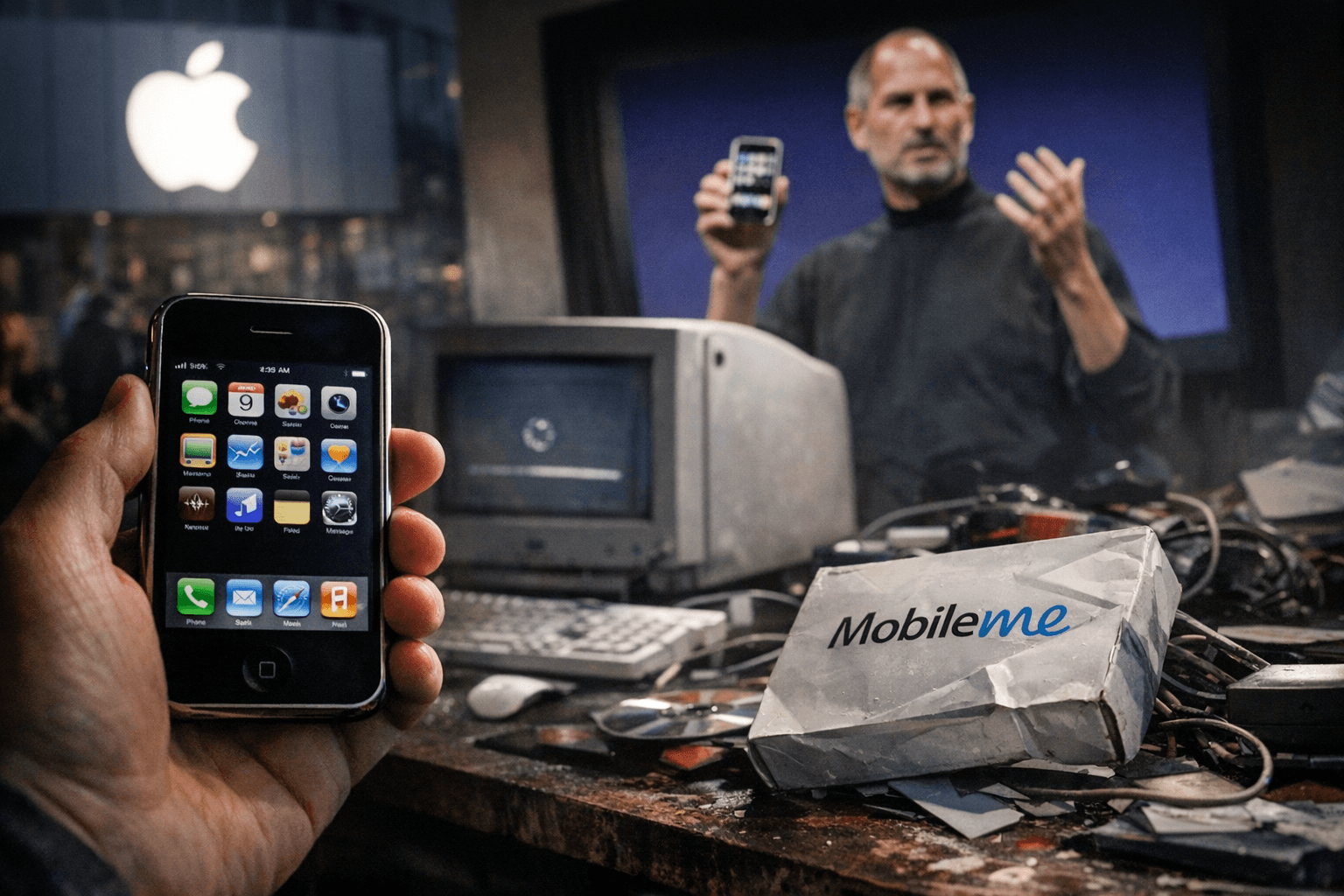
Apple's 2008 cloud service, designed to sync email, contacts, calendars, and photos across devices, was a failure so complete it became internal legend. The failure of MobileMe's launch was so colossal that Steve Jobs met with the entire MobileMe team in the campus auditorium and fired the manager of the project on the spot. After the fact, engineers of the project stated that Jobs was himself the cause of the product's failure. MobileMe was meant to enable the remote access and management of email, contacts, calendar, photos, and files, but its launch was met with widespread technical problems. It was eventually replaced by iCloud, which succeeded where MobileMe stumbled spectacularly.
6. Apple Vision Pro
BBC Science Focus highlighted the Apple Vision Pro as one of Apple's notable misses alongside the Apple III and Pippin. Priced at $3,499 and launched in 2023, the headset entered a market Apple had no precedent for and struggled to define a compelling everyday use case. With around 1 million active users of Apple's nascent Vision platform, it's tough to call it an outright failure. Trying to ascertain how Apple Vision Pro is doing from a pure sales numbers standpoint misses the entire point of the product. Still, for a company whose mythology rests on making complex technology feel instantly essential, Vision Pro has yet to deliver that moment. Whether it represents the long, slow arc toward a category-defining product, or a costly detour, is the central question Apple carries into its next 50 years.
This article was produced by Prism’s automated news system from verified source data, official records, and press releases, then run through automated quality and moderation checks before publishing. The system is built and supervised by the people who set the standards it runs under. Read our full AI policy.
Did this article answer your question?