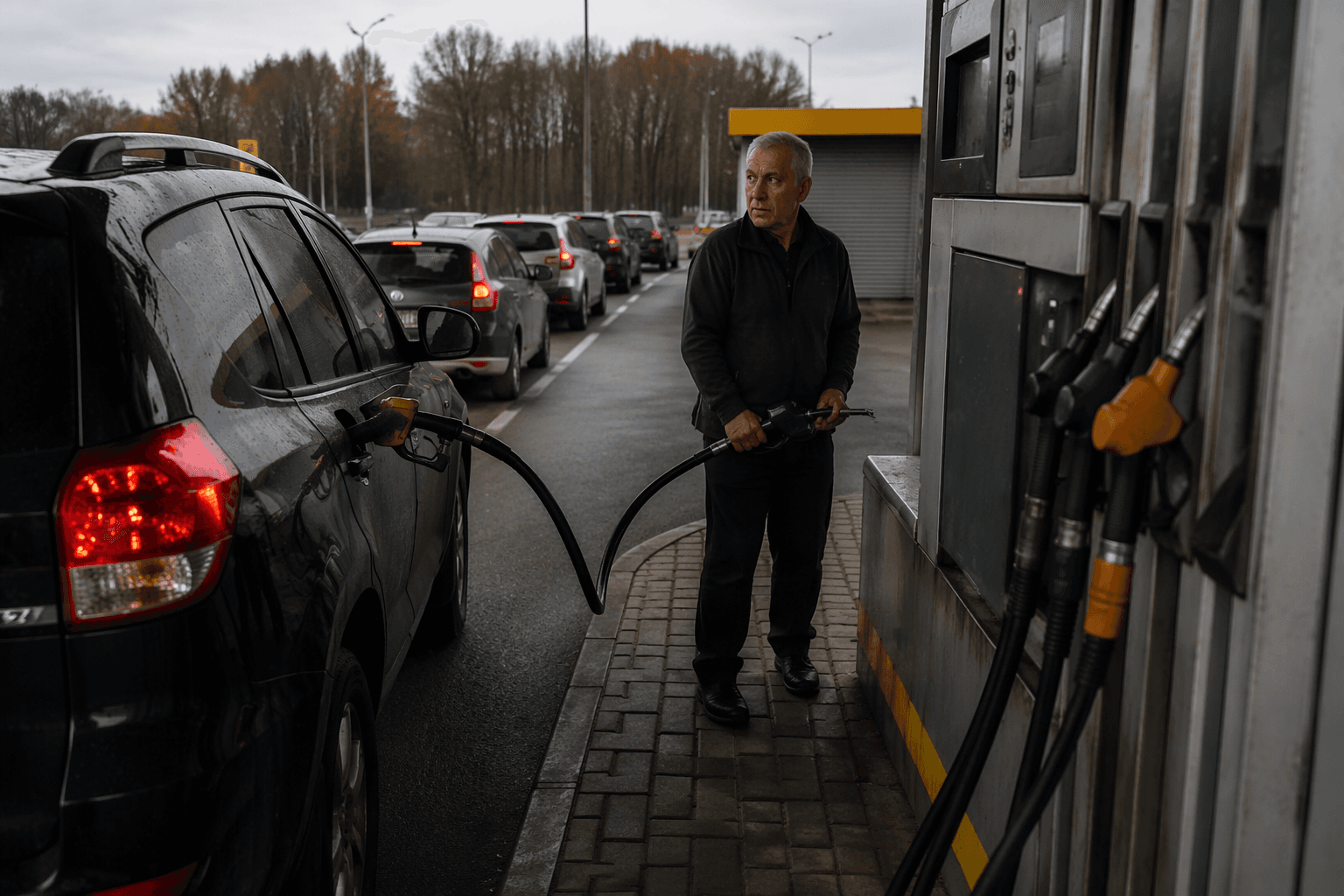
State Department orders Americans to leave Venezuela amid militia roadblocks
U.S. citizens told to depart Venezuela immediately as State Department cites armed colectivos stopping vehicles and a fluid security environment.
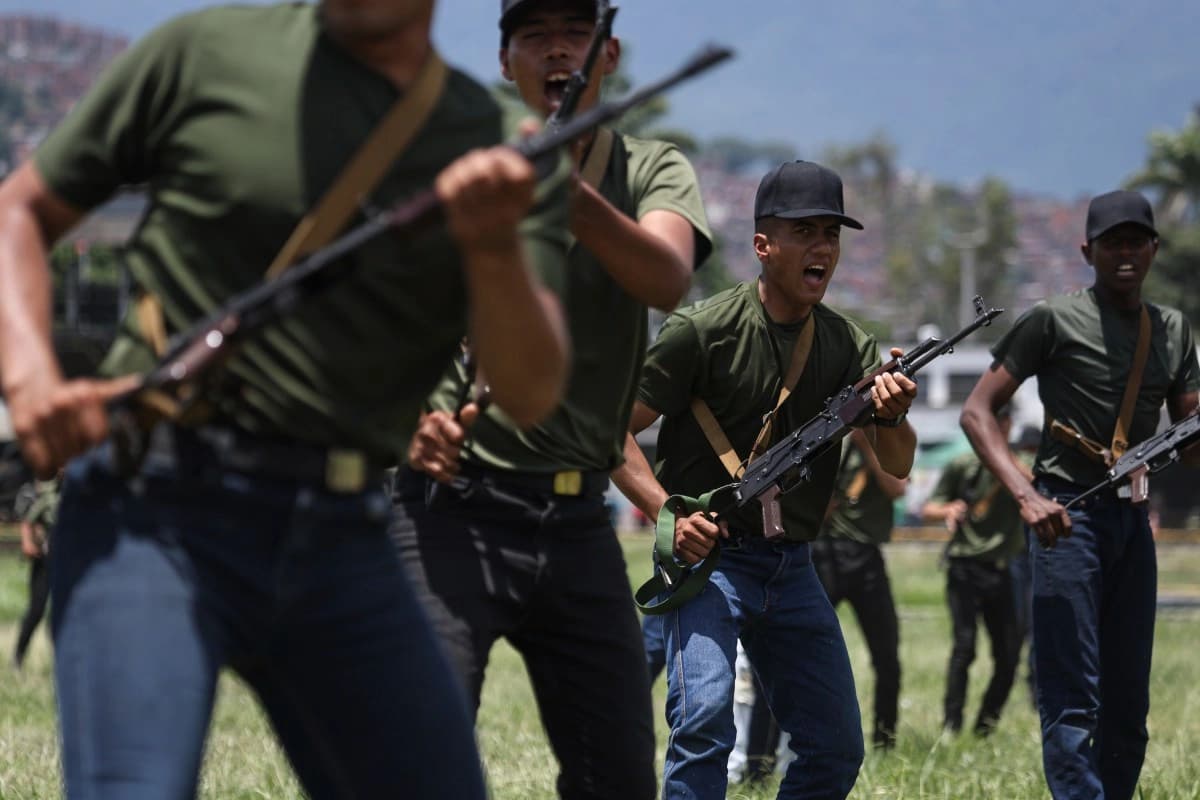
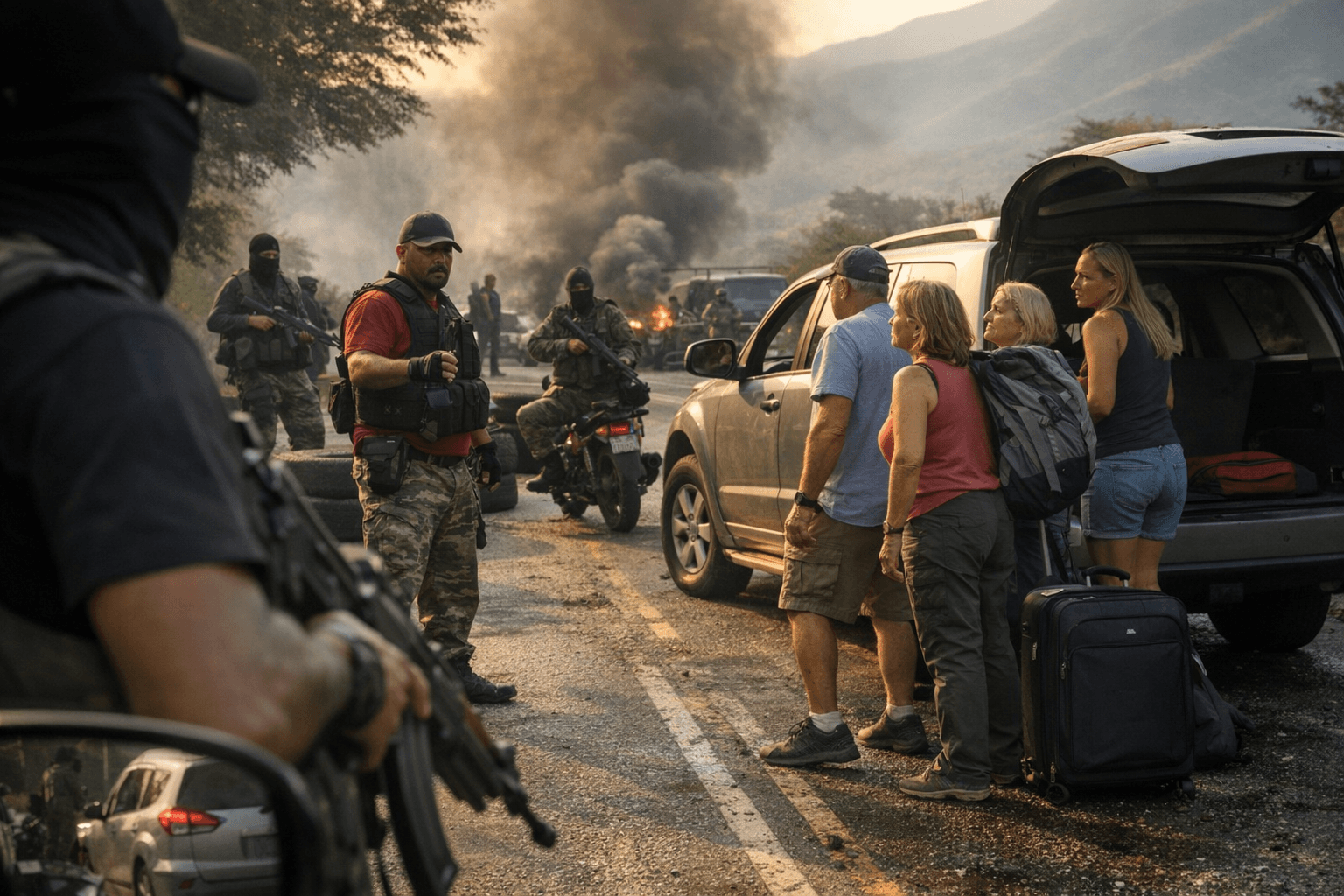
The U.S. Department of State posted an urgent security alert on X on Jan. 10 telling U.S. citizens and lawful permanent residents in Venezuela to “leave the country immediately,” citing new reports that armed pro‑government militias known as colectivos have been setting up roadblocks and searching vehicles for signs of U.S. citizenship or support for the United States. The advisory reiterated that Venezuela remains at Travel Advisory Level 4: Do Not Travel and warned that “the security situation in Venezuela remains fluid.”
The alert lists a series of acute risks to U.S. nationals, including wrongful detention, torture in detention, terrorism, kidnapping, arbitrary enforcement of local laws, crime, civil unrest, and degraded health infrastructure. It noted that international flights have resumed and urged U.S. citizens to depart while commercial options remain available. The U.S. Embassy in Caracas relayed the roadblock reports to the State Department, describing groups stopping cars and checking for documentation or other indicators of U.S. ties.
Consular options are severely constrained. The advisory warns that U.S. government assistance to Americans in Venezuela is limited or not available and advises that U.S. citizens should not expect consular assistance “under current diplomatic constraints.” The message recalled a key diplomatic fact: in March 2019 the United States withdrew all diplomatic personnel from the embassy in Caracas and suspended routine operations, a posture that continues to limit on‑the‑ground support for any emergency extraction or legal help.
The advisory arrived amid wider instability. Reports circulating in multiple outlets presented the capture of Venezuela’s leader, Nicolás Maduro, by U.S. forces on Jan. 3 and his transfer to New York to face drug and weapons charges; those accounts have been cited by officials and analysts as a proximate cause of heightened unrest and the mobilization of pro‑government armed civilians. Those capture and prosecution claims remain part of the context used to explain the rapid deterioration in public order and have not been presented here as independently verified.
The immediate market and policy implications are consequential but moderated by Venezuela’s long decline in institutional capacity. For U.S. and regional policymakers, the advisory raises pressure to coordinate evacuation options with commercial carriers and willing third countries, and to consider humanitarian and diplomatic levers to protect nationals. For markets, the principal near‑term risk is disruption to logistics and energy shipments from an economy already constrained by years of sanctions, underinvestment and production declines; any further interruption could reverberate through regional fuel markets and investor sentiment toward Latin America.
Longer term, the crisis underscores persistent weaknesses in Venezuela’s state institutions and the hazards that creates for foreign nationals and businesses. Commercial departures while flights remain open will be the immediate priority for U.S. citizens; for policymakers, the episode will intensify debate over how to balance punitive measures against the Maduro government with mechanisms to protect civilians and maintain channels for consular support in a country where formal U.S. diplomatic presence has been suspended.
This article was produced by Prism’s automated news system from verified source data, official records, and press releases, then run through automated quality and moderation checks before publishing. The system is built and supervised by the people who set the standards it runs under. Read our full AI policy.
Did this article answer your question?