Steinbach Fleet Grows to Seven Lithoz LCM Printers, Cuts Prototype Lead Times
Steinbach AG added two Lithoz CeraFab S65 LCM printers, bringing its fleet to seven. Prototype lead times fell to 3-4 weeks after scaling post-processing to 13 furnaces.
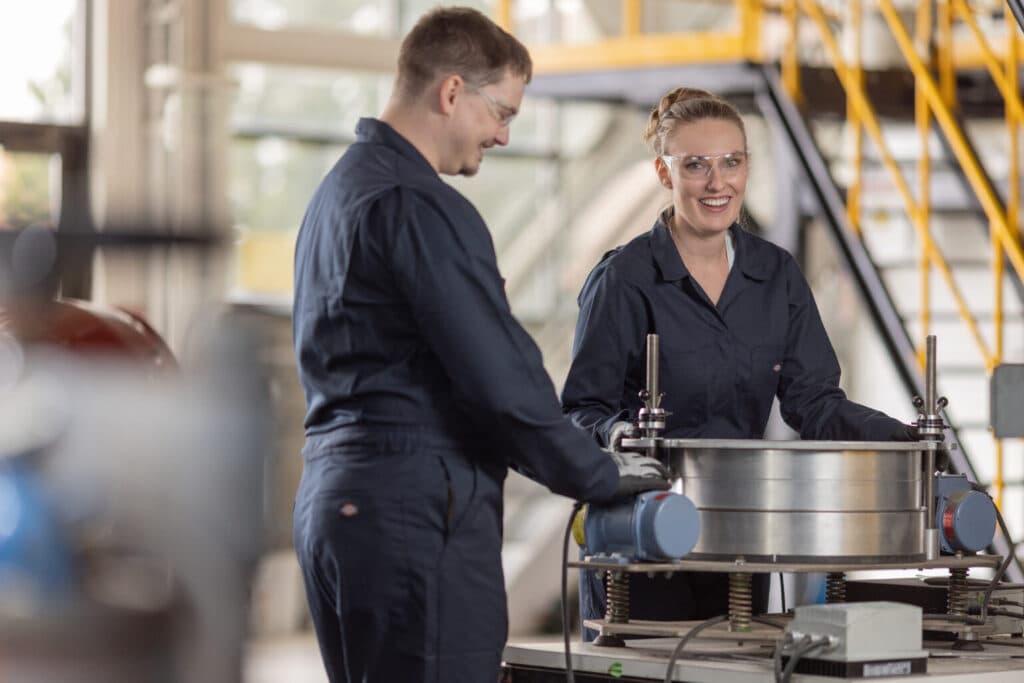
Steinbach AG has expanded its ceramic additive manufacturing capacity by acquiring two additional Lithoz CeraFab S65 lithography-based ceramic manufacturing (LCM) printers, growing the company's LCM fleet to seven machines. The move, completed on January 17, 2026, boosts serial production capability for high-performance ceramic components used across machine engineering, measurement and sensor technologies, and MedTech.
Alongside the printer purchase, Steinbach reported a significant scale-up in post-processing infrastructure. The company now operates 13 furnaces dedicated to firing and finishing ceramic parts, a change that has shortened prototype lead times to roughly 3-4 weeks. For teams working on tight development cycles, that turnaround can materially speed validation, testing, and iteration for parts that require the material properties and tolerances ceramic AM delivers.
Lithoz’s CeraFab S65 platform is aimed at higher-throughput ceramic production, and Steinbach’s larger fleet underscores demand from industrial customers seeking both functional prototypes and low- to mid-volume production runs. By concentrating multiple LCM systems alongside expanded thermal processing capacity, Steinbach is aligning the front-end of additive production with the back-end requirements that often bottleneck ceramic workflows. That alignment matters for engineers and designers who need predictable schedules for parts such as high-temperature components, precision sensor housings, and certain MedTech elements where biocompatible ceramics are required.
The investment also signals a broader trend in ceramic AM toward enabling higher-volume outputs rather than solely bespoke prototypes. Companies that rely on specialty ceramics can expect greater availability of contract-manufactured parts and shorter lead times for development samples. For local manufacturers and product teams, Steinbach’s buildout creates another option for outsourcing both complex geometry printing and furnace-based sintering steps under one roof.
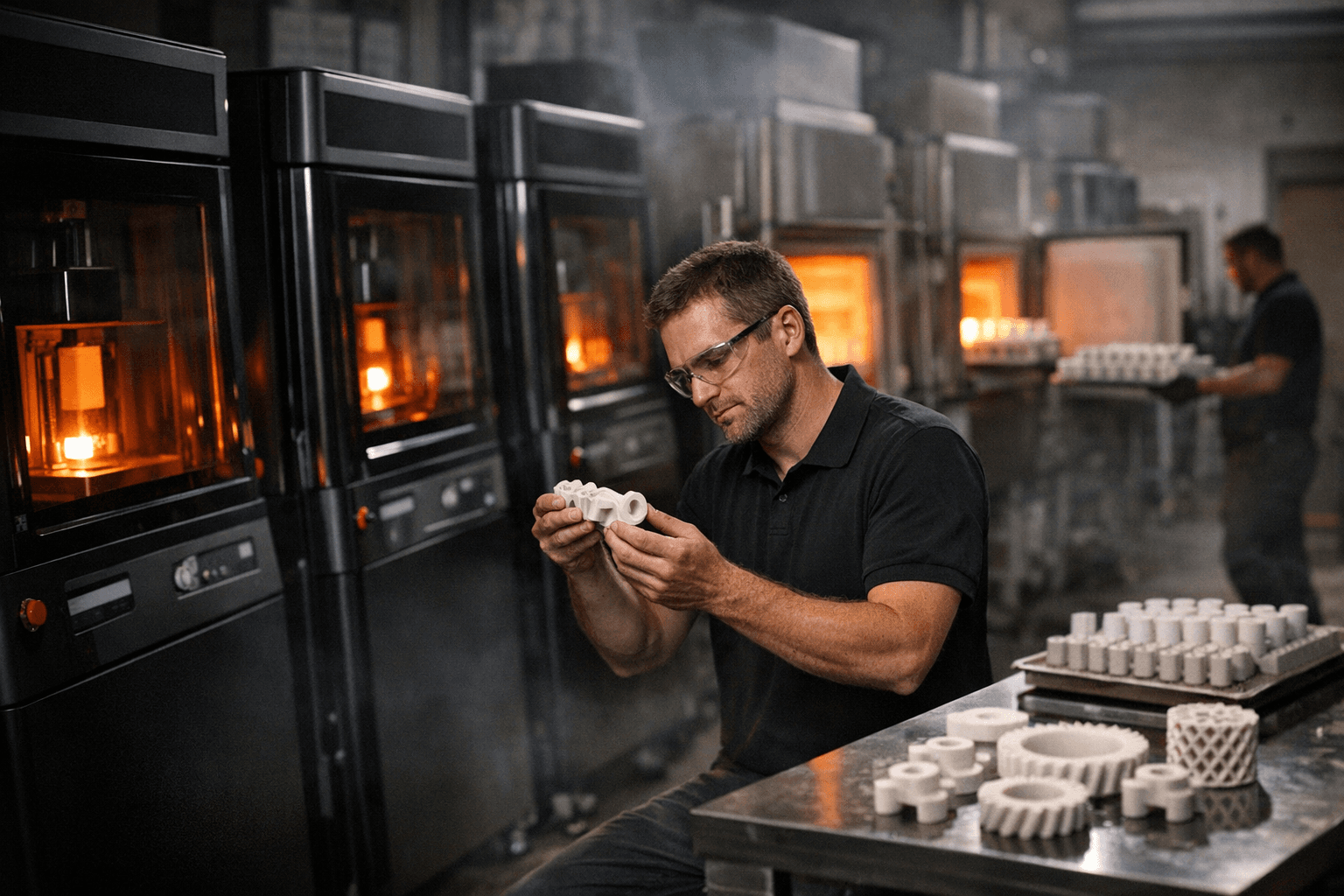
Practical value for readers is straightforward: faster prototype cycles reduce calendar time between concept and testable hardware, and increased machine capacity improves scheduling flexibility. For designers that specify ceramic materials, the development process can now accommodate more rapid iteration without sacrificing the material performance that ceramics provide.
Steinbach’s expansion is a reminder that the supply side of ceramic AM is maturing. Expect continued pressure on lead times and capacity as demand from machine engineering, sensors, and MedTech keeps growing. For those planning ceramic parts, factor shorter prototype timelines into project schedules and explore partnerships with expanded-capacity contract manufacturers to move from design to validated parts faster.
Sources:
Know something we missed? Have a correction or additional information?
Submit a Tip