Stellantis and Dongfeng form Europe joint venture for Voyah EVs
Stellantis shifted Voyah EV production to Rennes, turning a French plant into a test of Europe’s ability to keep carmaking local as China’s EV push deepens.
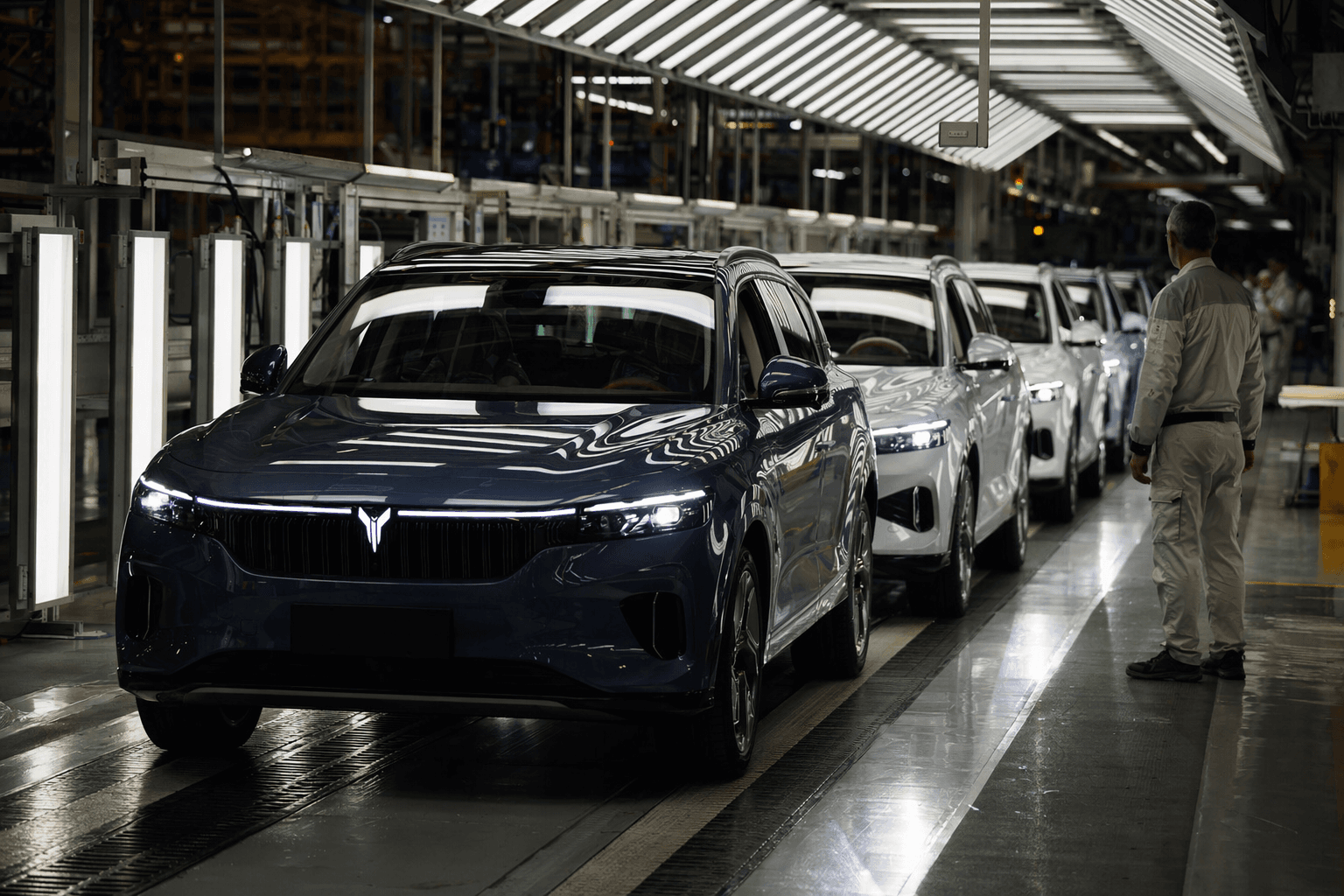
Stellantis and Dongfeng have moved their partnership into a new phase in Europe, agreeing to form a Stellantis-led joint venture that will handle sales, distribution, manufacturing, purchasing and engineering for Dongfeng’s Voyah-branded electric vehicles. The plan puts at least one fully electric Voyah model into Stellantis’s Rennes plant in western France for the European market.
The deal is more than a commercial handshake. It shows how Europe’s car industry is trying to defend market share in electric vehicles without surrendering strategic ground. For Stellantis, the venture adds a new product line and more activity at a plant that has long industrial roots. For Dongfeng, it creates a local foothold inside the European Union rather than relying only on imports from China.
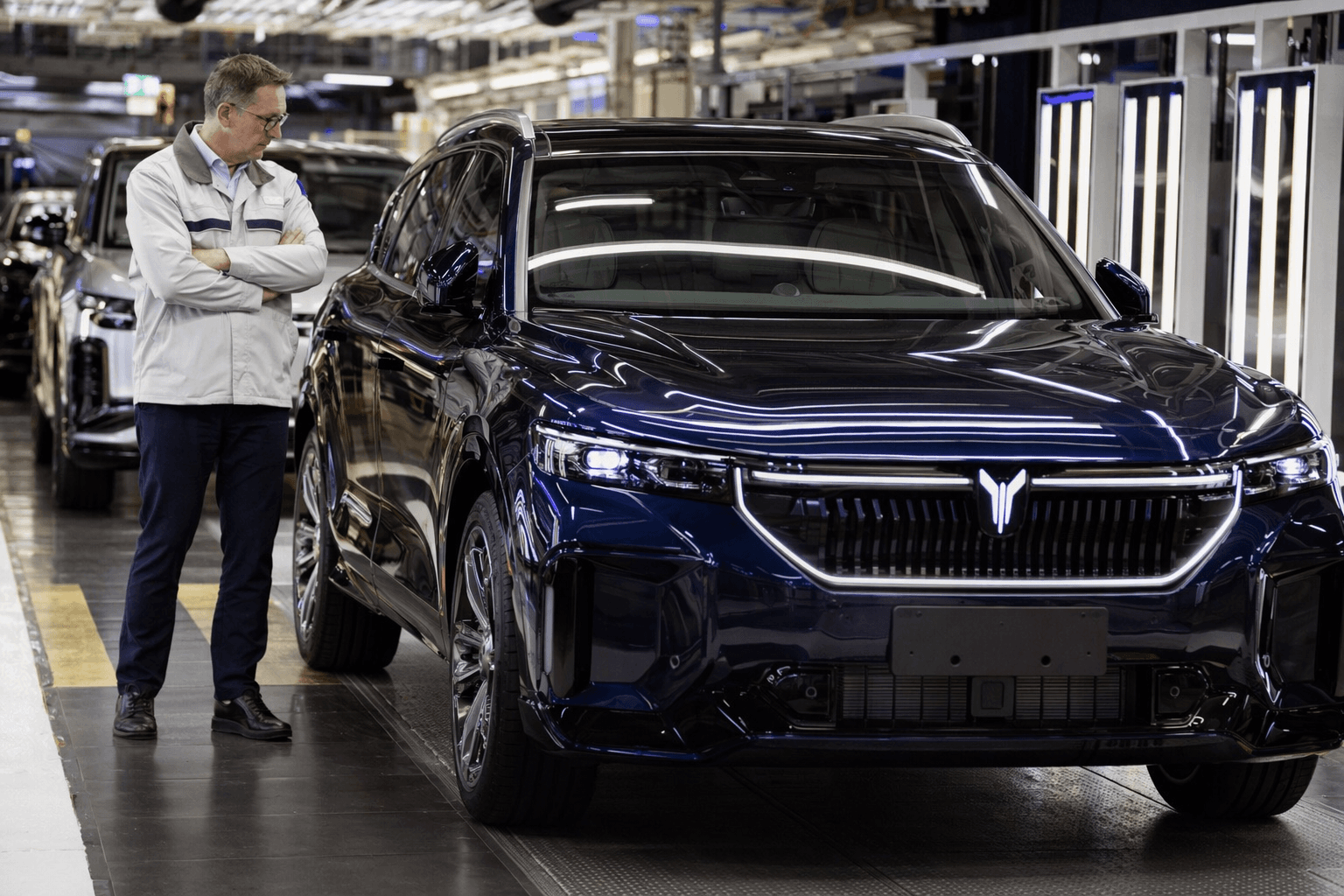
The companies said their arrangement extends a 34-year partnership and will initially focus on designated European markets. Stellantis said the Rennes operation would localize Dongfeng new-energy vehicle models there, “in line with Made-in-Europe requirements.” Later reporting said Stellantis would hold a 51% stake in the venture, a structure that gives the French-based group control while still tapping Chinese engineering and product development.
The timing matters because Brussels has already raised the cost of Chinese battery-electric imports. Definitive EU countervailing duties on BEVs from China were adopted in 2024 and became applicable on October 30, 2024, after the European Commission said the Chinese BEV value chain benefited from unfair subsidies that threatened EU producers. Building in France can help Dongfeng blunt tariff pressure, cut logistics costs and adjust more quickly to European demand.
The scale of the challenge is still modest, but the direction is clear. Dongfeng and Voyah sold 3,210 vehicles in Europe in 2025, and Dongfeng sells only in a handful of European markets, including Italy and Poland. That makes the Rennes venture an important beachhead, not just for Voyah but for Chinese automakers seeking a larger global footprint as European factories look for new work.
Stellantis announced the partnership ahead of chief executive Antonio Filosa’s capital markets day on May 21, folding the joint venture into a broader strategy update. Rennes, built in 1960 and producing more than 400,000 vehicles a year on three assembly lines in the early 2000s, now becomes part of a bigger question facing Europe: whether the continent can preserve auto sovereignty while leaning more heavily on Chinese manufacturing, technology and scale.
Know something we missed? Have a correction or additional information?
Submit a Tip