Stellantis to focus investment on Jeep, Ram, Peugeot and Fiat in reset
Jeep, Ram, Peugeot and Fiat stand to win most as Stellantis redirects capital, leaving smaller marques to fight for regional relevance.
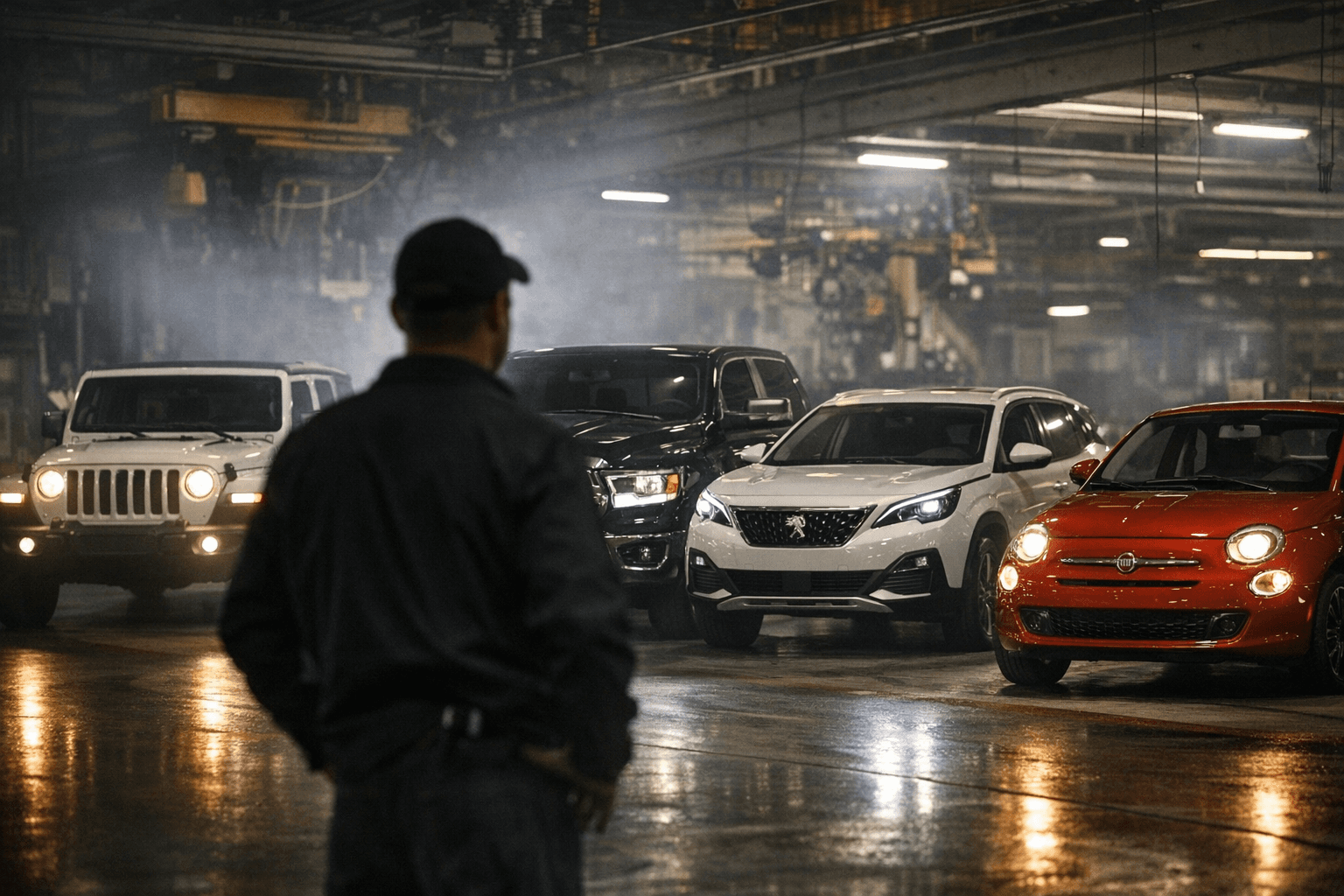
Concentrating capital on Jeep, Ram, Peugeot and Fiat signals that Stellantis is betting on the brands most likely to move volume and protect margins, while smaller nameplates inside its 14-brand empire may be pushed into narrower regional roles. The winners are clear: the four core marques. The losers may be the lower-volume badges, along with the dealers, plants and markets that depend on them.
That reset is being shaped by chief executive Antonio Filosa, who was selected in May 2025 and took CEO powers on June 23, 2025. A broader turnaround plan is expected in May, and the company’s direction suggests Filosa is trying to simplify a business that has become stretched across Europe, North America and beyond. Stellantis said it still had 14 automotive brands and two mobility arms, a portfolio that includes Abarth, Alfa Romeo, Chrysler, Citroën, Dodge, DS, Fiat, Jeep, Lancia, Maserati, Opel, Peugeot, Ram and Vauxhall.
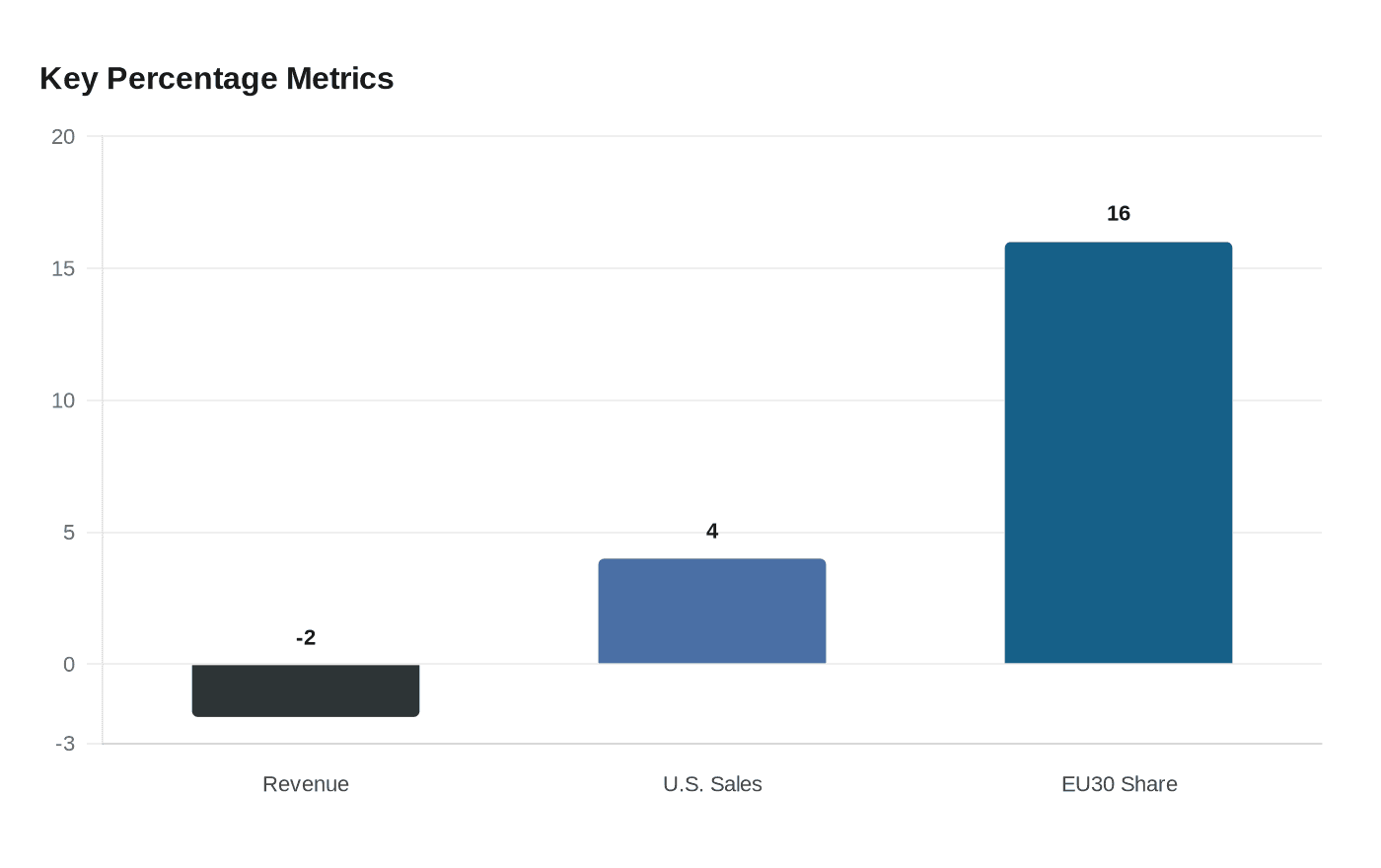
The scale of the repair job is sizable. On February 6, 2026, Stellantis said its strategic shift led to H2 2025 charges of about €22 billion, largely tied to moving toward a broader mix of electric vehicles, hybrids and advanced internal-combustion models. The company also reported full-year 2025 net revenues of €153.5 billion, down 2% from 2024. Even so, management has tried to frame the reset as a growth strategy, not just a cost-cutting exercise.
The commercial logic is easy to see. Stellantis closed 2025 as the second-largest automaker in the EU30 market, with more than 2.4 million registrations and a 16% share, while Fiat Panda remained the best-selling A-segment car in Europe with almost 24% share. In the United States, fourth-quarter 2025 sales rose 4% year over year. Those figures give Filosa a base to build on, especially in Jeep and Ram, where U.S. demand matters most, and in Peugeot and Fiat, where Europe remains crucial.
But the downside risk is just as clear. Reuters’ reporting indicated that lower-volume brands could become more regional or national in scope, especially where they already have strength or room to grow. That could leave brands such as Citroën, Opel and Alfa Romeo fighting harder for attention, product investment and dealer support. It could also leave some markets more vulnerable if they depend on models that no longer fit a global scale strategy.
For U.S. consumers, dealers and workers, the test will be execution. History shows that auto turnarounds often stumble when management tries to preserve too many badges, too many overlapping products and too many fixed costs at once. Filosa is choosing the harder path: backing fewer brands with more capital and asking the rest to prove they can earn a place in a leaner portfolio. If it works, Stellantis could regain focus in the U.S. and Europe. If it fails, the company risks another round of expensive drift across a vast and still-unruly empire.
This article was produced by Prism’s automated news system from verified source data, official records, and press releases, then run through automated quality and moderation checks before publishing. The system is built and supervised by the people who set the standards it runs under. Read our full AI policy.
Did this article answer your question?

