Steve Conley's The Wildest Shape on Backerkit adds alternate-universe Wild Shape
Steve Conley's Backerkit zine The Wildest Shape introduces the Circle of the Fractured Path, a druid subclass that lets you Wild Shape into alternate-universe versions of yourself.
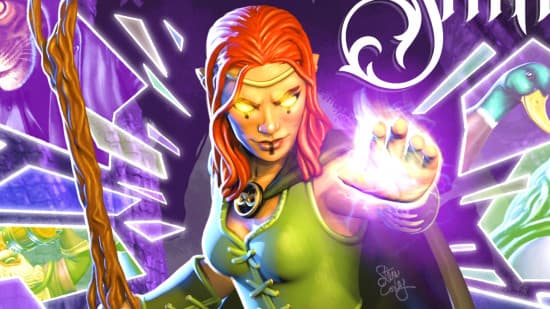
A new indie zine on Backerkit is pitching a radical twist on Wild Shape that could redraw how druids play at many tables. The Wildest Shape, designed by Steve Conley, introduces the Circle of the Fractured Path — a Druid subclass that, instead of shapeshifting into beasts, "turns into themself - only from another universe."
That pitch promises wide-ranging options: "Want to temporarily transform into a Cleric? What about a version of you that can fly, or breathe underwater? The possibilities seem endless." The campaign page offers multiple pledge tiers: "The answers will cost you $5. That's the price of a PDF, while a printed copy is available for $20. $30 gets you a deluxe hardcover, while higher tiers offer a unique mini and access to some of Steve Conley's previous D&D designs, including the Ennie-nominated Intoxomancy."
Practical limits appear baked into the design. Wargamer's writeup flags balance concerns and notes that "On paper, the Circle of the Fractured Path sounds like it could make the Druid the most broken of all DnD classes. With infinite alternate realities to choose from, what can't you do? However, it sounds like designer Steve Conley has put limitations in place to at least try and preserve balance." The report adds that "The number of alternate selves at your disposal depends on your level, so the most powerful are presumably locked behind a few tiers of play."
That level-gating sits against standard Wild Shape rules and recent subclass design practice. The DnD5e Wikidot text summarizes Wild Shape basics: "Starting at 2nd level, you can use your action to magically assume the shape of a beast that you have seen before. You can use this feature twice. You regain expended uses when you finish a short or long rest." The Beast Shapes table shows early limits - level 2nd max CR 1/4 (example: Wolf), level 4th max CR 1/2 (example: Crocodile), level 8th max CR 1 (example: Giant eagle) - and notes that forms with swim or fly speeds arrive later. DnDBeyond commentary underlines how Moon druids are already tuned around combat uses: "Moon druids have been designed to use wildshape in combat (the feature name combat wildshape is the giveaway), and at high enough level they can wildshape into elementals." RPGbot adds practical combat context: "Moon Druids get the ability to Wild Shape into elementals. All of the Elementals in the Monster Manual are CR 5, making them the highest-CR options available to Druid until level 18. However, this option consumes both of your Wild Shapes uses, which can make it a risky choice if you're not planning to rest soon." For raw form picks, RPGbot recommends choices like "Giant Crocodile" or "Giant Shark" and even humorously notes "If you just want a big ball of hp to absorb damage, the Titanothere is titano-there for you."

Community reaction is already mixed and engaged. A Reddit post from user kcazthemighty argued that the playtest favored moon druid and suggested structural fixes: "# If druid's core mechanic is wildshape, then they shouldn't have a dedicated wildshape subclass." The post called moon druid "the most played druid by far" and urged making wild shape more broadly useful across subclasses.
Several concrete questions remain open about Conley's design. Wargamer framed them directly: "Can players devise their own alternate selves, or are they limited to the dozen or so pre-generated variants that the zine provides? What is the Fractured Talisman this Druid carries, which levels up as your character does? Why is there a duck on the front cover? So many mysteries."
What this means at the table is simple: The idea expands Wild Shape into player-facing, flavor-rich territory, but balance hinges on the campaign text. Verify the Backerkit page and the zine's subclass text before integrating Circle of the Fractured Path into your game, and expect debates about Moon druid parity and the Fractured Talisman mechanics to follow as backers and tables test Conley's multiversal take.
Know something we missed? Have a correction or additional information?
Submit a Tip