Stock futures fall as investors weigh Iran talks and inflation data
Futures slipped as Iran talks pushed oil lower, but Thursday's PCE read threatened to reset Fed bets and keep rate-sensitive stocks on edge.

Futures tied to the S&P 500 fell 0.5%, Nasdaq-100 contracts dropped 0.6%, and Dow Jones Industrial Average futures slid 187 points, or 0.4%, as traders reopened after the Juneteenth break with two crosscurrents in view: signs of progress in U.S.-Iran negotiations and a closely watched inflation reading due later in the week. Brent crude, after trading higher early in Asia, slipped 0.38% to $80.26 a barrel, while West Texas Intermediate held near $77.52, showing how quickly geopolitics was translating into energy prices and, by extension, inflation expectations.
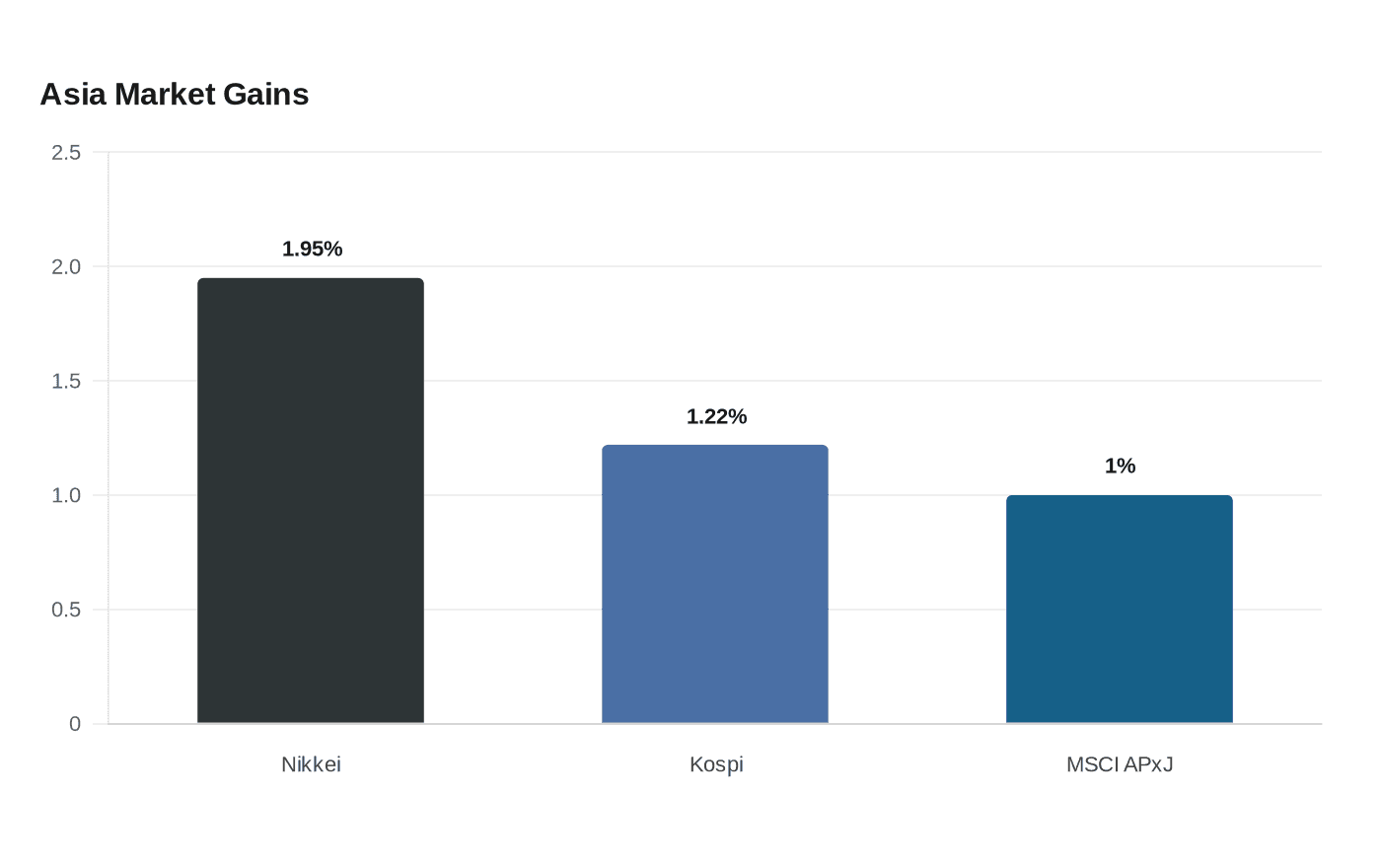
The geopolitical leg of the trade was moving in both directions. Asian shares climbed after Iranian negotiators said progress had been made in peace talks with the United States, and officials from Qatar and Pakistan said the first session had ended with a roadmap toward a final deal in 60 days. Japan’s Nikkei 225 rose 1.95% to a fresh record above 72,000, South Korea’s Kospi gained 1.22%, and MSCI’s Asia-Pacific index outside Japan advanced 1.0%. At the same time, President Donald Trump threatened fresh attacks on Iran, Tehran said it had again closed the Strait of Hormuz, and tracking sites showed fewer ships moving through the waterway after 32 vessels crossed on Friday and 26 on Saturday.
That tug-of-war mattered because the inflation calendar was already heavy. Wall Street was looking to Thursday’s May reading of the personal consumption expenditures price index, the Fed’s preferred gauge, with core PCE expected to rise from April. After last week’s hawkish Federal Reserve meeting, markets pushed the timing of the next rate increase forward to as soon as October, and some traders were pricing the possibility of a September hike. A hotter print would strengthen the case for keeping policy tighter for longer, while a softer one would give relief to rate-sensitive sectors that have been waiting for a cleaner path to cuts.
The result was a market repricing on two fronts at once. Energy shares were being pulled by the prospect of a calmer Strait of Hormuz and lower crude, while consumer-sensitive groups faced the risk that any inflation surprise would crimp buying power and keep borrowing costs elevated. That is why investors are treating the Iran talks and the inflation reading as competing headlines rather than separate stories: one could cool oil and help growth, the other could keep the Federal Reserve cautious and limit the market’s room to run.
This article was produced by Prism’s automated news system from verified source data, official records, and press releases, then run through automated quality and moderation checks before publishing. The system is built and supervised by the people who set the standards it runs under. Read our full AI policy.
Know something we missed? Have a correction or additional information?
Submit a Tip