Stock Futures Rise, Oil Falls as U.S. Sends Iran War-Ending Plan
Trump paused Iran power plant strikes for 5 days as the U.S. sent Tehran a 15-point war-ending plan, sending Dow futures up 980 points and crashing oil to $89.
Trump advisors Jared Kushner and Steve Witkoff are promoting a plan for an immediate pause in hostilities, using a 30-day window to finalize a 15-point agreement — and markets moved sharply the moment those details leaked.
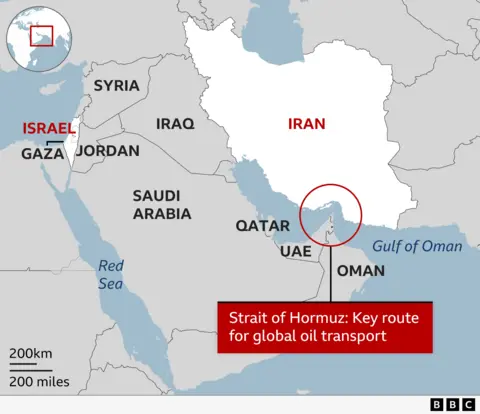
President Donald Trump ordered the military to postpone strikes on Iran's power plants and energy infrastructure for five days. In a Truth Social post, Trump said the U.S. and Iran had "VERY GOOD AND PRODUCTIVE CONVERSATIONS REGARDING A COMPLETE AND TOTAL RESOLUTION OF OUR HOSTILITIES IN THE MIDDLE EAST." The announcement came hours before a deadline Trump had set for Iran to reopen the Strait of Hormuz or face destruction of its energy grid.
The United States had sent Iran a 15-point plan to end the war in the Middle East, the New York Times reported on Tuesday, citing two officials. The proposal was delivered via Pakistan and outlines steps addressing Iran's nuclear and ballistic missile programs as well as maritime security in the Strait of Hormuz. Prominent figures, including Jared Kushner and Steve Witkoff, are working on a mechanism that would entail a one-month ceasefire, during which negotiations would resume to reach a framework agreement similar to the understandings previously reached in Gaza and Lebanon.
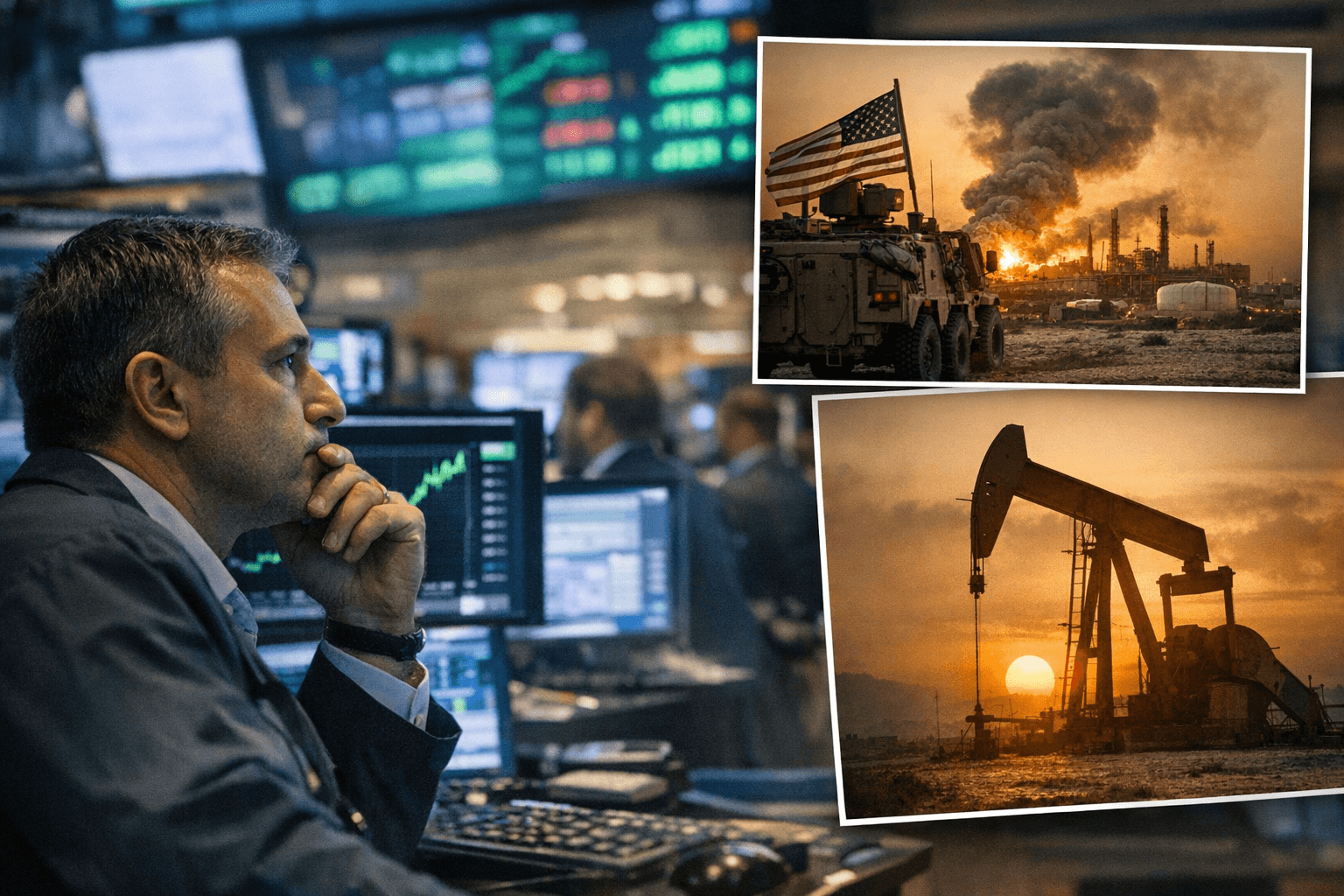
Markets reacted immediately. Markets surged and oil prices dropped on the news. Dow futures soared 980 points, or 2.1%, by approximately 8:55 a.m. ET, while S&P 500 and Nasdaq futures jumped 1.9% each. Brent crude eased to $97.70 a barrel, down from heights above $111 the prior week, while West Texas Intermediate slid to $89.69. In early Asian trading, WTI fell as much as 4.9%. The national average gasoline price, according to AAA, stood at $3.96 a gallon, though pump prices typically lag futures moves by days.
The U.S. shared its 15-point plan with Israel and claimed Iran had agreed to many of the key points, though there has been no tangible evidence of any such agreement. Israeli Prime Minister Benjamin Netanyahu is concerned Trump might strike a deal that falls well short of Israel's objectives, includes significant concessions, and limits Israel's ability to conduct strikes against Iran.
Rebecca Babin, senior energy trader at CIBC Private Wealth Group, captured the market's cautious optimism precisely: "Any credible move toward a ceasefire and sustained de-escalation reduces immediate supply disruption risks, particularly around Hormuz," though "the scope and ambition of the reported terms suggest negotiations could be complex, with implementation risks likely to keep a geopolitical premium embedded in oil for now."
The diplomatic opening collided directly with continued military activity. A cluster missile from Iran hit the city of Nesher, near Haifa, and Iran's Foreign Ministry said there was "no dialogue" between Tehran and Washington. Iranian state media, citing an unnamed "senior security official," disputed Trump's description of conversations, saying: "There is been no negotiation and there is no negotiation, and with this kind of psychological warfare, neither the Strait of Hormuz will return to its pre-war conditions nor will there be peace in the energy markets."
Iran initially denied any such talks, but a senior Iranian Foreign Ministry official later said "we received points from the U.S. through mediators and they are being reviewed."
Deutsche Bank analysts led by Jim Reid noted the resulting whipsaw: "Iranian officials have repeatedly denied that talks with the U.S. were even happening, which contributed to markets reversing some of the initial risk-on reaction late yesterday and overnight. Much now depends on the progress of any talks, and whether the more optimistic rhetoric is followed up by concrete action."
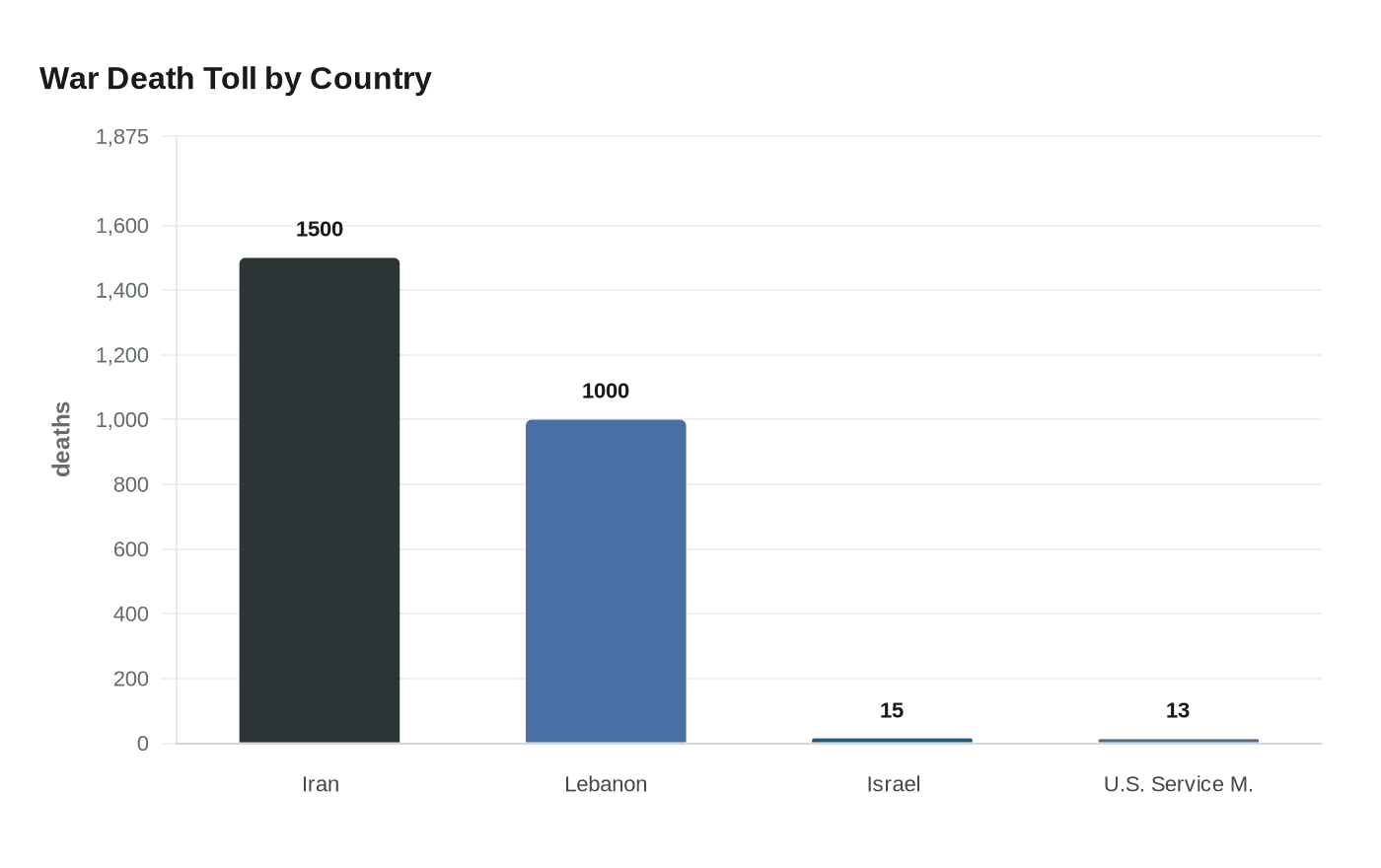
The death toll from the war so far includes 1,500 people in Iran, more than 1,000 in Lebanon, 15 in Israel, and 13 U.S. service members, according to the AP. At least 40 energy facilities across nine countries have been severely damaged in the conflict, with the IEA's Fatih Birol saying the current situation was worse than the combined oil crises of 1973 and 1979, which together lost 10 million barrels per day.
Trump told reporters in the Oval Office on Tuesday that while many of Iran's leaders are gone, the U.S. "is talking to the right people, and they want to make a deal badly." Whether five days is enough time to close a 15-point gap is a question neither market nor diplomat has yet answered.
Know something we missed? Have a correction or additional information?
Submit a Tip

