Stockholm’s bakery boom blends fika tradition with new neighborhood hangouts
Stockholm’s bakeries are becoming social anchors, where fika culture, craft baking and neighborhood change now meet over coffee and pastry.
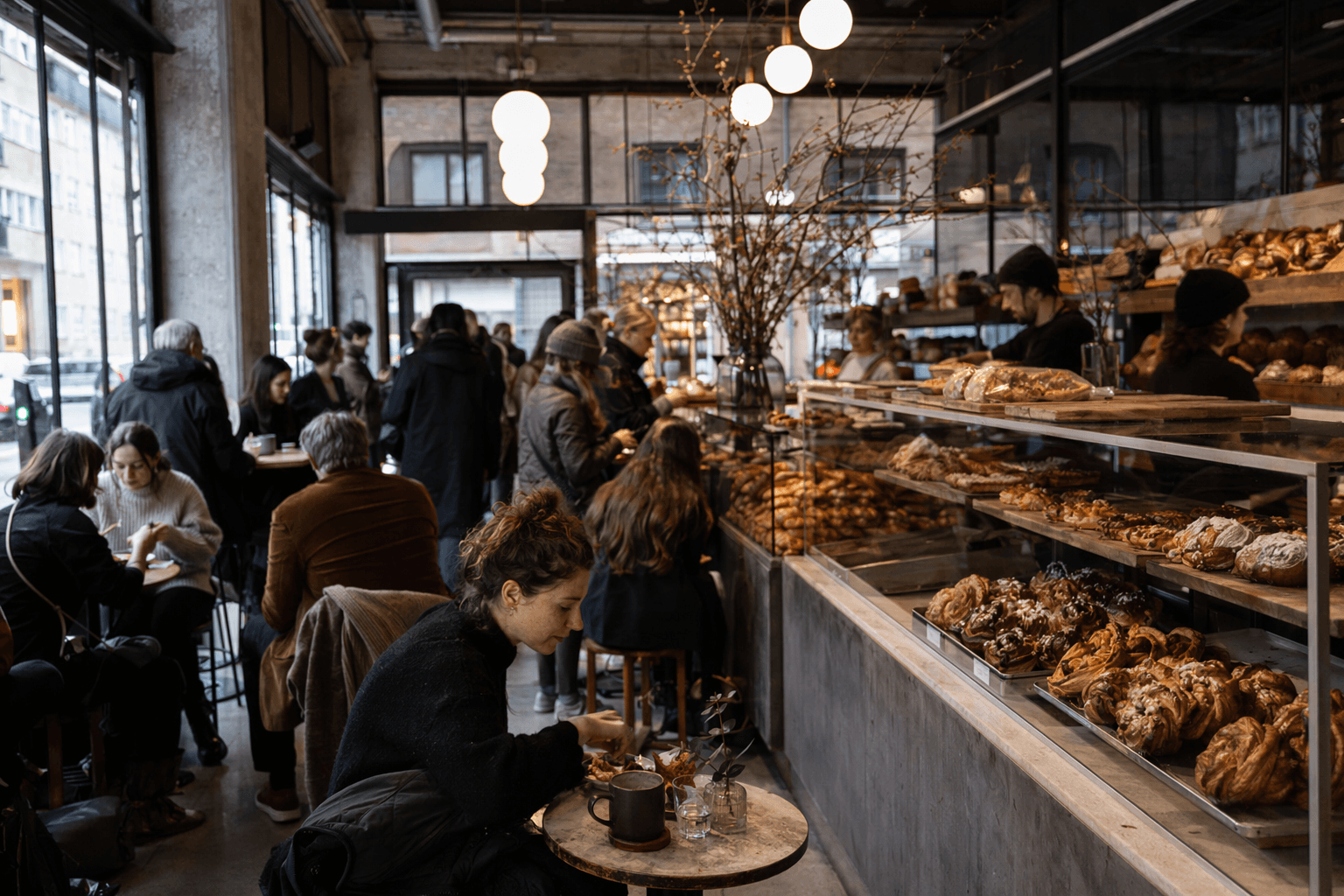
Fika as social infrastructure
Stockholm’s bakery boom is not just about what people eat. It is about how the city gathers, where neighbors linger, and how a cup of coffee and a pastry still organize daily life in a place that Visit Stockholm calls a “coffee lover’s paradise.” Fika, in the Swedish sense, means meeting up over coffee and a piece of cake or pastry, and that habit gives bakeries a role far beyond takeout counters or morning errands.
That social function matters because Stockholm’s café scene has always sat at the intersection of tradition and reinvention. Visit Stockholm says many cafés and bakeries serve Swedish-style fika favorites, while also describing recent and upcoming openings as part of a culinary scene that “grows more exciting by the year.” The result is a city where bakeries are no longer just stopping points, but deliberate destinations for hanging out, working, and marking the day.
Old recipes, deep roots
The city’s pastry culture has real historical weight. Sundbergs Konditori is Stockholm’s oldest bakery, opened in 1785 and later moved to Järntorget in 1793. That kind of continuity gives the city’s café landscape a sense of continuity that newer bakeries have to contend with, even as they try to redefine what a modern neighborhood hangout can be.
Gamla Stan captures that contrast especially well. Visit Stockholm describes Panem on Stora Nygatan as one of Stockholm’s youngest bakeries, placing a new arrival in the same old quarter that holds some of the city’s most enduring culinary memories. Stockholm is also the birthplace of the princess cake, one of Sweden’s most popular pastries, which means the city’s bakery scene is not borrowing prestige from elsewhere. It is exporting its own traditions back into contemporary life.
Why the boom is happening now
The new bakery wave reflects changing urban habits as much as culinary taste. Post-pandemic routines have made local, comfortable, semi-public spaces more valuable, and bakeries fit that need neatly: they are informal enough for a quick coffee and polished enough for a longer stay. That is why the newest places are increasingly described as high-quality, craft-driven neighborhood hangouts rather than simple pastry shops.
At the same time, the economics behind fika are under pressure. The Local reported in February 2024 that Swedish cafés and bakeries were suffering as customers cut back on sourdough and cinnamon buns. Yet semlor, the seasonal cream-filled buns that matter so much in Sweden, were still helping some shops stay afloat, showing how deeply the business depends on a few signature items and the rhythms of the calendar.
The new anchors shaping the city
One of the clearest signs of the change is Stockholm 1897, a year-round bakery, café and restaurant opening near Djurgårdsbron. Visit Stockholm says the team behind Sandhäxan and Frippe is opening the venue, and that it offers Swedish flavors for every occasion. That mix of all-day service and flexible format shows how bakeries are expanding their role from morning ritual to full-time social space.
Other names show how the market is splitting between heritage, technique and brand identity. Fabrique is a local chain of traditional wood-fired bakeries with locations throughout central Stockholm, giving the city a familiar but still carefully made everyday option. Svedjan Bageri, operating since 2020, uses dairy from the owners’ family farm, which gives its baking a traceable, rural link even as it serves an urban customer base.
What craftsmanship now signals
Craft has become part of the pitch, and often the proof of value. Skeppsbro Bageri focuses on organic bread and buns and mills flour in-house, which signals a more complete control over ingredients and process. Lillebrors bageri makes its croissant with 27 layers of dough and butter, a detail that turns technical precision into a selling point for customers who increasingly want to know exactly what makes one bakery different from another.
Tössebageriet represents another kind of credibility: persistence. Visit Stockholm notes that it has occupied the same address since 1920, a reminder that some of the city’s most trusted food places are built on familiarity rather than novelty. Robin Delselius bageri adds to that picture as another established name helping anchor the market with its own take on Swedish and international baking, showing how the city’s bakery landscape now balances tradition with broader influence.
What Stockholm’s bakery culture says about the city
Taken together, these bakeries show a city where daily life still revolves around small rituals, but the settings for those rituals are changing. Fika remains the central social script, yet it now plays out in places that are more design-conscious, more neighborhood-oriented, and more openly craft-driven than before. In that sense, the bakery boom is not a break from Swedish culture. It is a sign of how Stockholm is adapting its most familiar habit to a more fragmented urban life.
The strongest bakeries are no longer just supplying pastry. They are helping define the city’s social geography, from Gamla Stan’s layered history to the newer energy around Djurgårdsbron and the established pull of central Stockholm. In a market shaped by rising costs, selective spending and a renewed appetite for communal space, the bakeries that endure will be the ones that make fika feel indispensable, not optional.
This article was produced by Prism’s automated news system from verified source data, official records, and press releases, then run through automated quality and moderation checks before publishing. The system is built and supervised by the people who set the standards it runs under. Read our full AI policy.
Did this article answer your question?