Stocks jump as Iran deal progress eases oil fears, AMD surges after earnings
Oil eased as Iran deal hopes brightened, sending the Dow up 528 points and lifting retirement accounts along with AMD’s AI-fueled surge.

Wall Street cheered a cooler oil market and a flicker of progress in Iran diplomacy, pushing the Dow Jones Industrial Average up 528 points, or 1.1%, in midday trading. The rally followed reports that the White House believes it is close to a one-page memorandum of understanding with Iran, a framework that could end the war and open the door to broader nuclear talks.
The move mattered because oil has been the market’s sharpest pressure point. On Monday, the Dow fell 550 points as crude climbed and investors worried the conflict could widen again. By Tuesday, the S&P 500 had closed at a fresh record as falling oil prices offered relief. Traders were reacting to the possibility that one of the world’s most sensitive energy chokepoints, the Strait of Hormuz, might avoid a disruption that could rattle fuel, shipping and inflation expectations. Roughly one-fifth of global oil and LNG flows normally pass through the waterway, so any easing in the geopolitical risk premium can quickly show up in lower energy futures, calmer bond markets and a brighter mood in equity trading.

For households, the connection is direct. Lower oil prices can ease gasoline, airline and delivery costs, and that can slow the kind of price pressure that eats into paychecks and retirement savings. When energy fears recede, investors often become more willing to buy stocks, especially companies tied to consumer spending and large indexes held in 401(k)s and IRAs. The optimism is fragile, though. If diplomacy stalls, or if talks unravel and oil rebounds, inflation worries could flare again just as fast.
The peace effort still appears fluid. A Pakistani source involved in the negotiations said the U.S. and Iran were closing in on the memo, and Iran said it was reviewing a new U.S. proposal and would respond through Pakistan, which has served as a conduit between the sides. The market’s quick reaction suggests investors are pricing in de-escalation, not certainty.
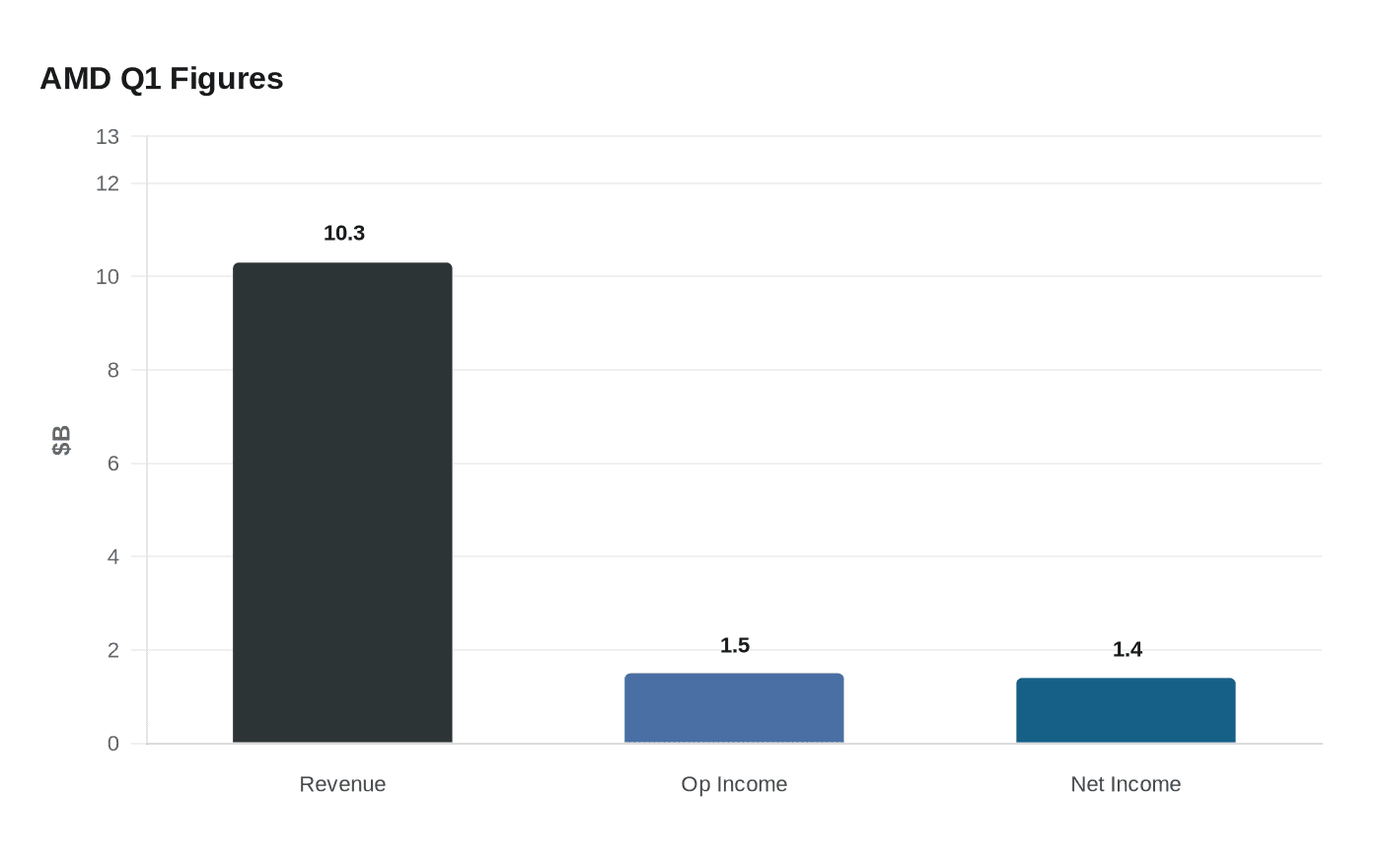
At the same time, a separate earnings story kept technology shares in focus. Advanced Micro Devices reported first-quarter revenue of $10.3 billion, with diluted earnings per share of $0.84, as gross margin came in at 53%, operating income at $1.5 billion and net income at $1.4 billion. The company forecast second-quarter revenue above Wall Street expectations, helped by demand for data-center chips as cloud companies keep pouring money into AI infrastructure. AMD shares jumped 12% in extended trading and had already risen about 65% for the year, a reminder that this market is still being driven by two powerful forces at once: hopes for lower oil and the scale of the AI boom.
This article was produced by Prism’s automated news system from verified source data, official records, and press releases, then run through automated quality and moderation checks before publishing. The system is built and supervised by the people who set the standards it runs under. Read our full AI policy.
Did this article answer your question?