Stocks rebound as Iran peace talks and Warsh hearing loom
Asia stocks rose as Iran peace-talk hopes eased oil and traders braced for Kevin Warsh's hearing on the Fed chair job.
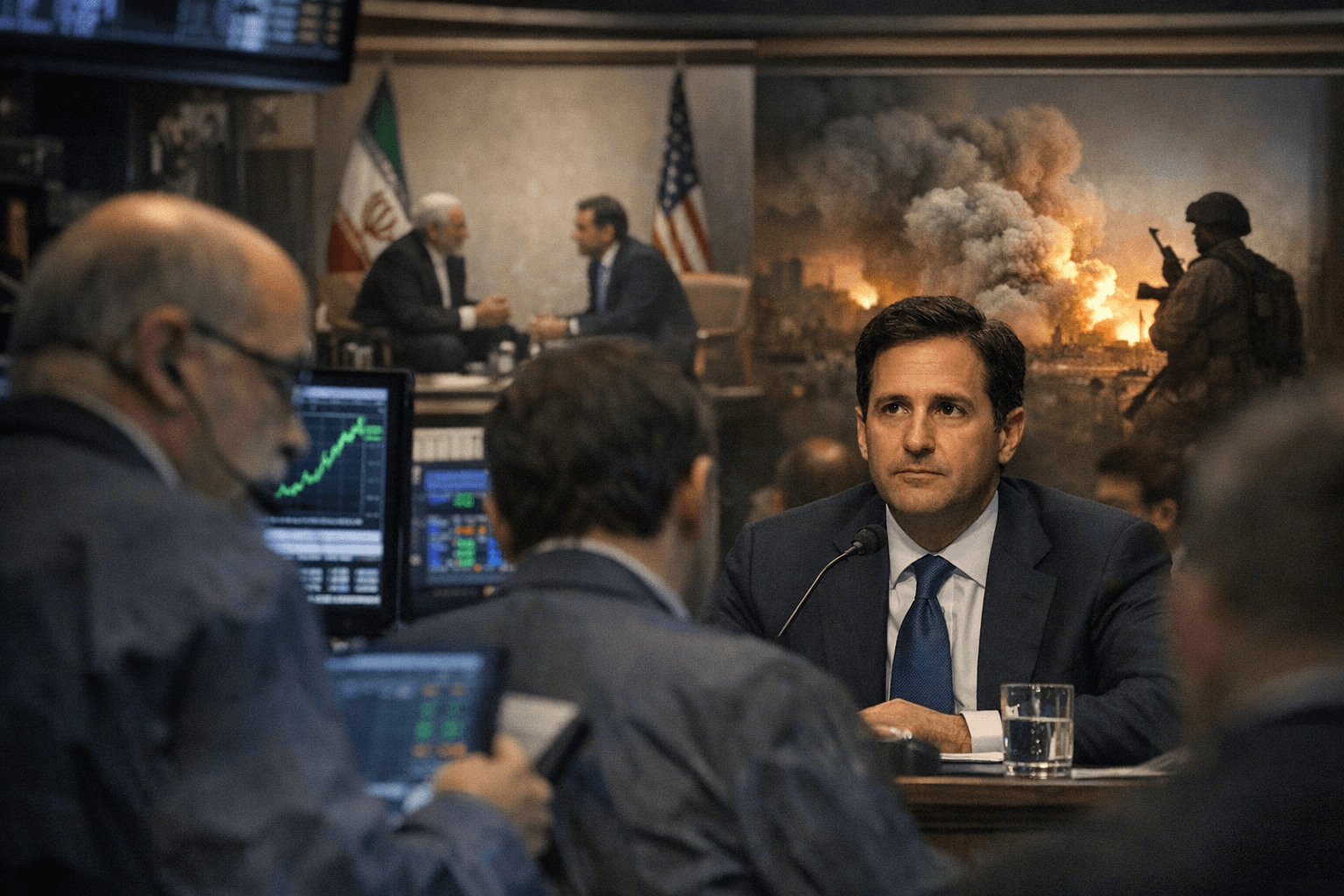
Stocks rebounded in early Asian trading as headlines about possible Iran peace talks and a coming Senate hearing for Kevin Warsh pushed investors back into risk assets, with oil prices slipping and renewed enthusiasm for artificial intelligence adding to the bid.
The move showed how tightly equities remain tied to geopolitics. Traders took comfort from reports that Iran was considering attending peace talks with the United States in Pakistan, a shift that eased some of the pressure that had built over the Middle East after a turbulent weekend. Brent crude fell in early trade, reinforcing the view that markets were reacting less to earnings or growth data than to the next move in the region’s diplomatic standoff.
That same sensitivity was visible in U.S. stocks earlier in the month. On April 14, the S&P 500 flirted with a record closing high as hopes for new U.S.-Iran peace talks pulled oil prices down and lifted shares. Just days later, doubts over the ceasefire and the direction of negotiations helped drive oil higher and stocks lower, underscoring how quickly the market’s tone had reversed as headlines changed.
The other major pressure point on Tuesday was Washington. The Senate Banking Committee was set to hold an open hearing on Kevin Warsh’s nomination to lead the Federal Reserve, with lawmakers expected to press the former central banker on monetary policy, Fed independence and his calls for fundamental change. The hearing came with less than a month left before Jerome Powell’s leadership term ends, turning the session into an early test of how the White House’s Fed choice could shape the policy path.
That matters for bonds as much as for stocks. A more aggressive or more politically charged Fed could alter expectations for rate cuts, shift Treasury yields and change the discount rate investors use to value technology shares. For now, the market was leaning toward relief rather than conviction: oil was softer, Asia equities were firmer and AI-linked demand was helping the rebound, but the balance remained fragile.
The day’s trading suggested investors were not betting on a clean resolution in the Middle East or an easy confirmation path for Warsh. They were pricing a narrower proposition: that even a hint of de-escalation, paired with the possibility of policy continuity or change at the Fed, could be enough to keep risk assets supported for another session.
This article was produced by Prism’s automated news system from verified source data, official records, and press releases, then run through automated quality and moderation checks before publishing. The system is built and supervised by the people who set the standards it runs under. Read our full AI policy.
Did this article answer your question?

