Stocks rebound as oil, dollar slip on hopes of US-Iran talks
Stocks jumped, oil slid and the dollar weakened as Trump signaled new Iran talks, a swift repricing after war-risk headlines jolted markets.
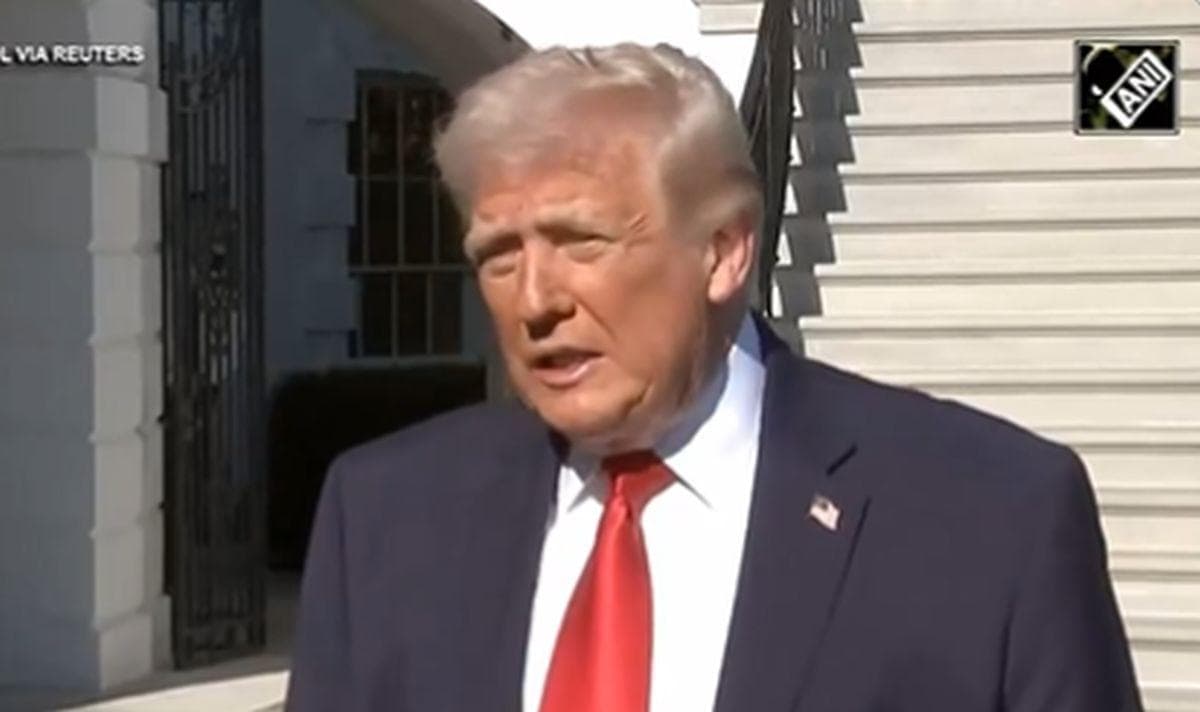
Investors moved fast to price in even a hint that Washington and Tehran might step back from confrontation. Stocks rose, oil fell and the dollar headed lower after President Donald Trump signaled willingness to resume talks with Iran, a sharp reversal from the fear that had pushed energy prices higher only a day earlier.
The shift came after Vice President JD Vance said the U.S. delegation left 21-hour peace talks in Islamabad without a deal because Iran would not accept American demands not to develop a nuclear weapon. Vance said the next steps depended on Iran and described the nonproliferation demand as the “core goal” of Trump’s negotiations. He said U.S. officials had repeatedly checked in with Trump, Secretary of State Marco Rubio, Treasury Secretary Scott Bessent and CENTCOM chief Adm. Brad Cooper during the talks.
Markets immediately latched onto the possibility that diplomacy could still slow the conflict’s economic damage. European shares rose 0.6%, technology stocks in Asia advanced 1.8% and Brent crude fell 1.2% to $98.18 a barrel. The dollar headed for a seventh straight day of losses, while Treasuries and gold also moved as traders reassessed the odds that the ceasefire could hold.
The most visible pressure point remained oil. The U.S. Navy began blocking ships entering or leaving Iranian ports at 10 a.m. ET Monday, an escalation that could prevent roughly 2 million barrels a day of Iranian oil from reaching world markets. In Tuesday morning trade, U.S. crude for May delivery fell 3.72% to $95.39 a barrel and Brent for June delivery slipped 1.61% to $97.76, after both benchmarks had jumped the previous day.

The supply threat remains large enough to keep traders on edge. Kpler data cited by Reuters showed Iran exported 1.84 million barrels per day of crude in March and 1.71 million barrels per day so far in April, with more than 180 million barrels either in transit or in floating storage earlier in the month. Iran’s Revolutionary Guards warned that military vessels approaching the Strait of Hormuz would be treated as a ceasefire breach, underscoring how quickly a shipping dispute could turn back into an energy shock.
The Strait of Hormuz is the key artery for the region, and Reuters noted that about 20% of global oil supplies passed through it before the U.S. and Israel attacked Iran on Feb. 28. That is why the market response was so abrupt: a small opening for diplomacy was enough to lift equities, but the outlook for war risk, inflation and fuel costs remains precarious as long as the threat to Middle East shipping stays alive.
This article was produced by Prism’s automated news system from verified source data, official records, and press releases, then run through automated quality and moderation checks before publishing. The system is built and supervised by the people who set the standards it runs under. Read our full AI policy.
Did this article answer your question?

